
Company Logo a three peak mountain scape with an outline of a yellow sun and two blue wind wisps and Legend Homes in serif font below the mountain
Q

Design Approach

Building Process

About Legend Homes

Net Zero Education

Portfolio

News

Home

Net Zero Home Plans

Impact of Eco-Conscious Living Series: Ventilation

Impact of Eco-Conscious Living Series: Ventilation

In our last blog about indoor air quality (IAQ), we discussed what influences IAQ, what effects it has on humans and nature, and how to create healthier IAQ in your home.

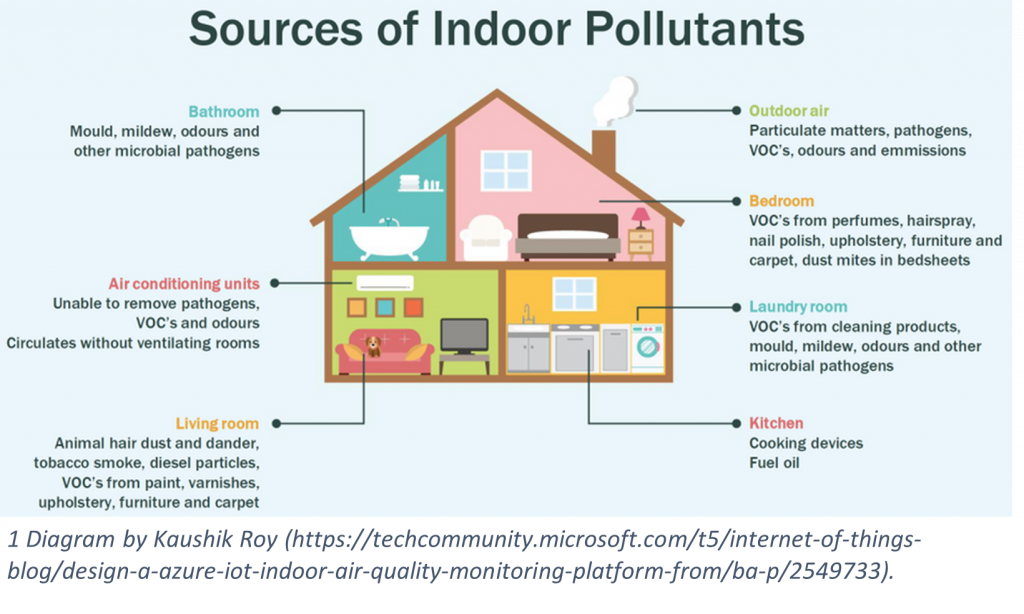
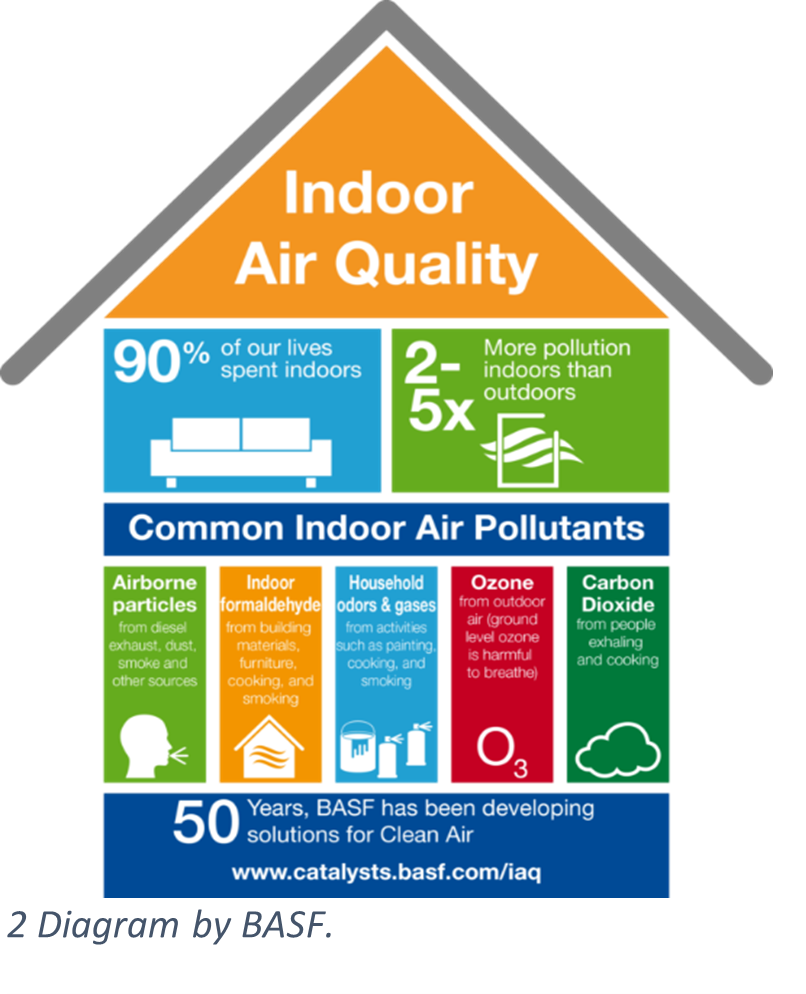
As a recap, IAQ is measured by the quantity and type of pollutants in the air within a building. The pollutants that decrease the IAQ (make the quality worse) can be anything from biological pollutants such as mold and mildew, bacteria, dust or pollen, to carbon monoxide or volatile organic compounds (VOC’s)4. These pollutants can cause a wide variety of health problems for humans and animals, from mild skin irritations all the way to damaging internal organs and causing cancer.2,5

While ventilation is just one of the many factors that affect IAQ mentioned in our previous blog, it is a multifaceted topic and requires a deeper dive than we were able to give.

We’ve already established that healthy IAQ is important, but how does ventilation impact it and what are the current shortcomings of code-standard ventilation systems?

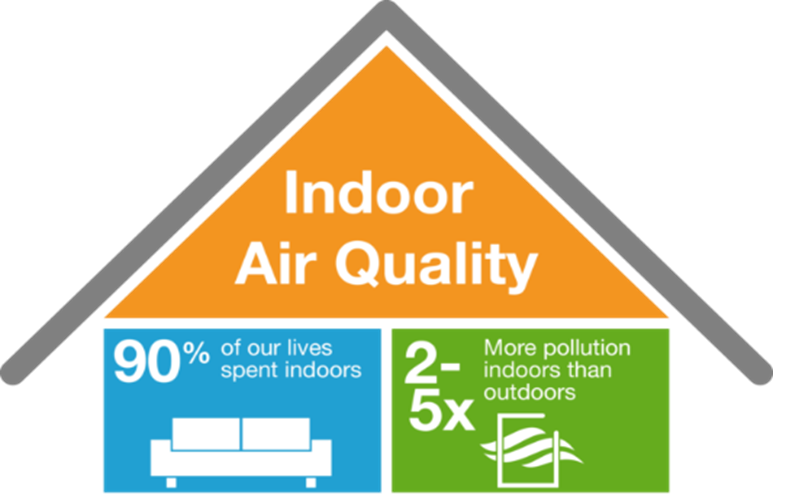
Firstly, IAQ can be 2-5 times more polluted than outdoor air quality6; therefore, it is vital to expel a greater quantity of indoor air and intake more outdoor air to increase a building’s overall IAQ.

However, not all ventilation systems are made equally. Often, with forced air-heating and traditional air-conditioning systems, the main method of ventilation is infiltration or purely natural ventilation (opening windows)3.

This is problematic, because there will not be a great enough flow of air to expel the polluted indoor air and the outdoor air comes into the building’s envelope untreated. While outdoor air is generally less polluted than indoor air, it would be counterproductive to bring in smoky, smoggy or pollen filled air, for example, and should still be filtered before entering the building.

When mechanical ventilation is installed in a simply code-standard building, the typical system must be manually turned on and off and doesn’t have the capacity for higher airflows or continual airflows. For this reason, conscious builders like TC Legend Homes go above and beyond the less-than-optimal code-standard systems and always uses a Heat Recovery Ventilator (HRV).

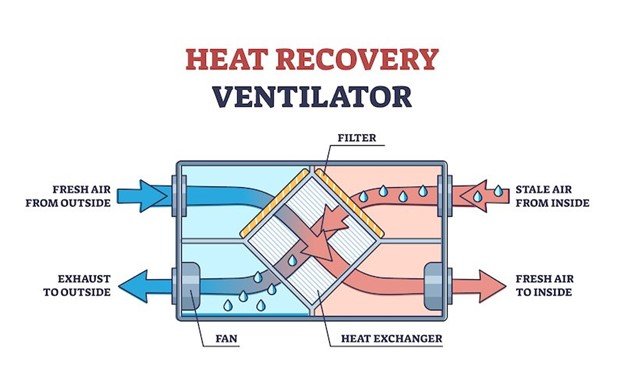
HRV units allow for continual filtered airflow. They are also capable of utilizing smart technology with sensors to detect CO2 and humidity within the house, allowing the system to automatically adjust air flow.

The humidity tracking and management is a huge advantage because it creates a more comfortable environment to people, pets and indoor plants alike and helps keep mold and mildew growth in check. On top of increasing airflow and managing humidity, the HRV also contains HEPA air filters to ensure the incoming air is stripped of as many pollutants as possible.

Of course, the extra benefit to these systems beyond increased IAQ is that they “recover up to 90% of the heat and contribute to an energy savings of up to 50%.”1

This means HRV systems save money by lowering the overall energy bill, as well as decrease the building’s carbon footprint by using energy more consciously resulting in less consumption of energy, fossil fuels and other precious materials.

In all, choosing the best ventilation system can mean creating a healthier home, as well as reducing your wasted energy consumption and having a lesser impact on the environment.

Interested in learning more? Check out EPA's Indoor airPLUS program HERE.


1. Diagram depicting how a Heat Recovery Ventilator transfers heat and air. Source: AttainableHome (https://www.attainablehome.com/the-10-best-heat-recovery-ventilators/).

Sources:

1“Benefits.” Zehnder America, https://www.zehnderamerica.com/ventilation-benefits/. 2/14/22.

2“Biological Pollutants' Impact on Indoor Air Quality.” United States Environmental Protection Agency (EPA), EPA.gov, https://www.epa.gov/indoor-air-quality-iaq/biological-pollutants-impact-indoor-air-quality. 2/10/2022.

3“Improving Indoor Air Quality.” United States Environmental Protection Agency (EPA), EPA.gov, https://www.epa.gov/indoor-air-quality-iaq/improving-indoor-air-quality. 4/14/2022.

 4“Indoor Pollutants and Sources.” United States Environmental Protection Agency (EPA), EPA.gov, https://www.epa.gov/indoor-air-quality-iaq/indoor-pollutants-and-sources. 2/10/2022.

5“Volatile Organic Compounds' Impact on Indoor Air Quality.” United States Environmental Protection Agency (EPA), EPA.gov, https://www.epa.gov/indoor-air-quality-iaq/volatile-organic-compounds-impact-indoor-air-quality. 2/10/2022.

Wallace, Lance A., et al. Total Exposure Assessment Methodology (TEAM) Study: Personal exposures, indoor-outdoor relationships, and breath levels of volatile organic compounds in New Jersey. Environ. Int. 1986, 12, 369-387. https://www.sciencedirect.com/science/article/pii/0160412086900516.

Impact of Eco-Conscious Living Series: Indoor Air Quality

Impact of Eco-Conscious Living Series: Indoor Air Quality

Just as you may think about the poor outdoor air quality on a smoky day or the smog that surrounds large cities, every building has its own body of air with varying degrees of quality and pollution that make up the indoor air quality (IAQ). IAQ is incredibly important for your own health and is, unfortunately, frequently under accounted for by mainstream building practices. It is, however, an attribute of eco-conscious building techniques for its impact on human and animal health, interlinked outcome of house longevity, and subsequent decrease in environmental footprint.


Taking a deeper dive into what IAQ actually is, IAQ can be anything from biological pollutants such as mold and mildew, bacteria, dust or pollen, to carbon monoxide or volatile organic compounds (VOC’s)5. Each pollutant effects humans, animals and the environment differently and the effects on humans can also vary depending on personal sensitivities. Exposure to just biological pollutant could lead to “skin irritation, sneezing, watery eyes, coughing, shortness of breath, dizziness, lethargy, fever, and digestive problems”1. Other pollutants, such as VOC’s, can cause more severe symptoms such as “eye, nose and throat irritation, headaches, loss of coordination and nausea, damage to liver, kidney and central nervous system,” with some VOC’s known or suspected to even cause cancer in humans or animals6. For information about all the individual indoor pollutants and their sources, visit https://www.epa.gov/indoor-air-quality-iaq/indoor-pollutants-and-sources.


Many of these pollutants are unavoidable as they can occur naturally, but we can take steps to reduce them to levels that will be less harmful or eliminate them almost entirely. If you hire TC Legend Homes, then before you even step into your house, we have already been working on increasing your home’s IAQ by using low toxicity products such as SIPs, low/zero VOC paints and finishes, low toxicity flooring and more. The SIPs we use eliminate the ozone depleting chemicals HCFCs and CFCs, as well as reduce moisture in between the walls that lead to mold growth.2 This, accompanied by the superior heating and ventilation installed, will set your home up for much healthier air. The next blog post in this series will discuss the details of ventilation and its impact.


Once moved into your new home, it is still important to take daily steps to maintain a healthier IAQ. Be sure to vacuum and dust regularly, clean fabric items frequently, reduce household clutter3, avoid harsh cleaning products, maintain a lower humidity level, repair leaks, run your exhaust fan during and after showering, maintain your ventilation system and change the filters frequently4


Many eco-conscious building methods and results are interconnected, including IAQ, house longevity and environmental footprint. The nature of obtaining and maintaining good IAQ, means ensuring your home is being fixed of any issues which will result in the deterioration of your home and therefore cause indoor pollutants such as mold and mildew. Immediately fixing smaller issues that come up, like leaks or a filter in need of changing, will decrease the likelihood of the issues becoming so large that it is irreversible or will require more replacements to the system or surrounding area in the future. To this same note, upkeeping your home regularly and fixing issues as soon as they turn up, means using less resources in the long run, as replacement will be less frequent. As we know, using less resources helps to lower your overall carbon footprint. Moreover, maintaining good IAQ requires use of less toxic materials including those containing toxins and pollutants that are harmful to the environment such as greenhouse gases like VOCs or potent chemicals like pesticides. This in turn reduces the negative impact on the environment.

Taking all these steps to obtain and maintain your IAQ, will not only help you and your family’s health, but help reduce pollution outdoors and increase the longevity of your home.

Want to learn more about how smoke affects indoor air quality? Check out EPA Indoor Air Quality information and their recommendations for wildfire season HERE.


Written by: Nicole Miller


Sources:

1“Biological Pollutants' Impact on Indoor Air Quality.” United States Environmental Protection Agency (EPA), EPA.gov, https://www.epa.gov/indoor-air-quality-iaq/biological-pollutants-impact-indoor-air-quality. 2/10/2022.

2“Building With Sips Creates Healthier, More Comfortable Interiors.” Insulspan, https://www.insulspan.com/advantages/health-comfort/. 3/2/2022.

3“Easy ways you can improve indoor air quality.” Harvard Health Publishing, Harvard Medical School, https://www.health.harvard.edu/staying-healthy/easy-ways-you-can-improve-indoor-air-quality. 2/10/2022.

4“Improve Indoor Air Quality to Set Up a Healthier Home Environment.” AAFA, Asthma and Allergy Foundation of America, https://www.aafa.org/healthier-home-indoor-air-quality.aspx. 2/10/2022.

5“Indoor Pollutants and Sources.” United States Environmental Protection Agency (EPA), EPA.gov, https://www.epa.gov/indoor-air-quality-iaq/indoor-pollutants-and-sources. 2/10/2022.

6“Volatile Organic Compounds' Impact on Indoor Air Quality.” United States Environmental Protection Agency (EPA), EPA.gov, https://www.epa.gov/indoor-air-quality-iaq/volatile-organic-compounds-impact-indoor-air-quality. 2/10/2022.

Bellevue Net Positive Energy Home

Bellevue Net Positive Energy Home

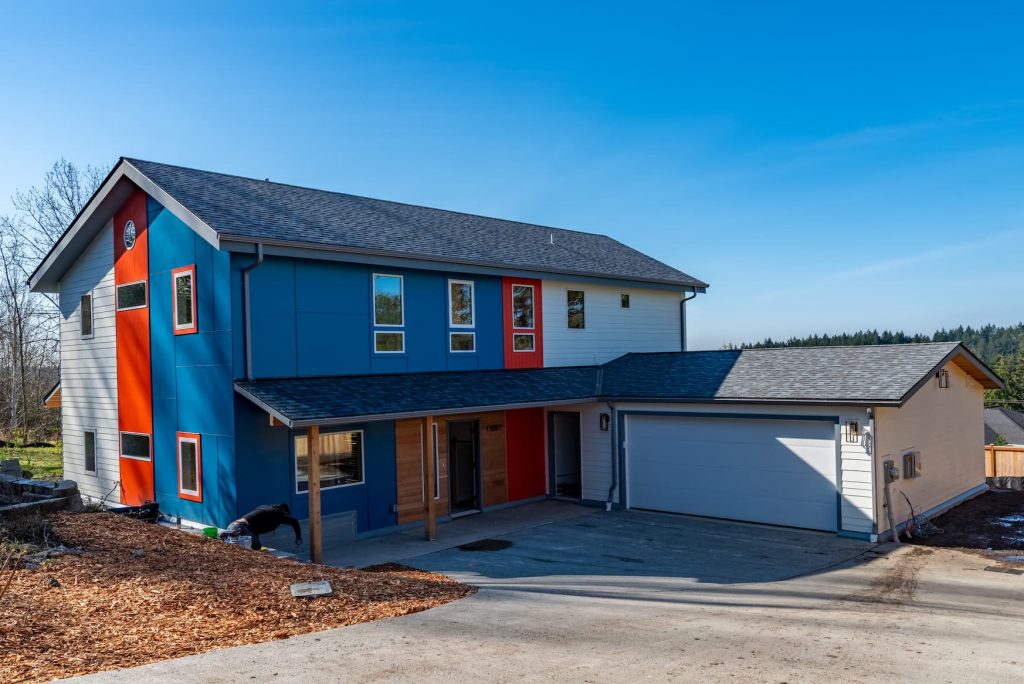
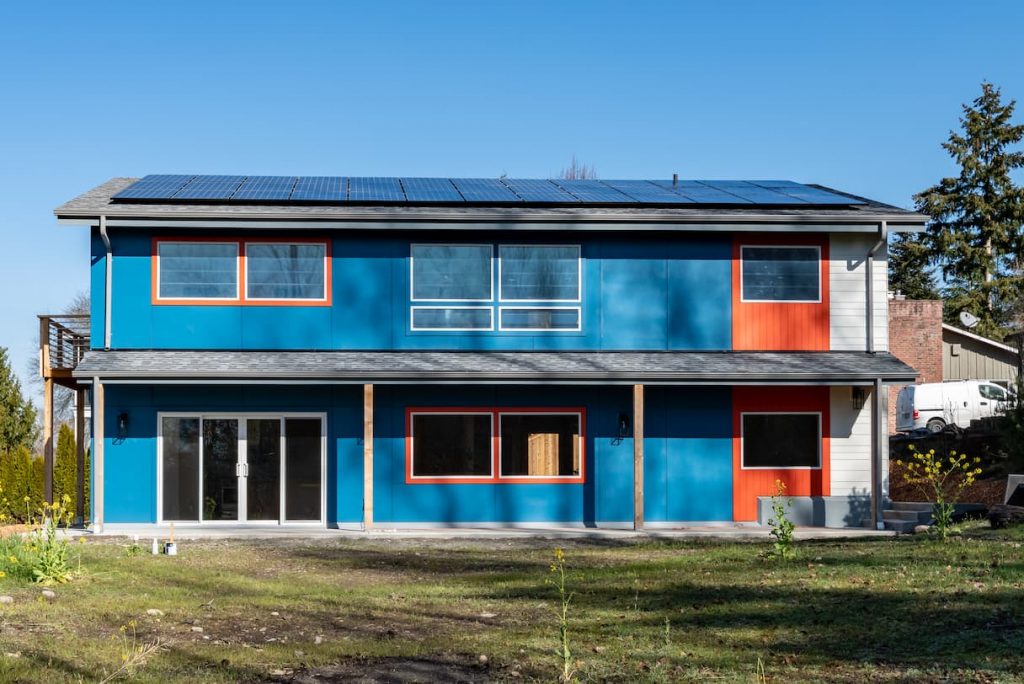
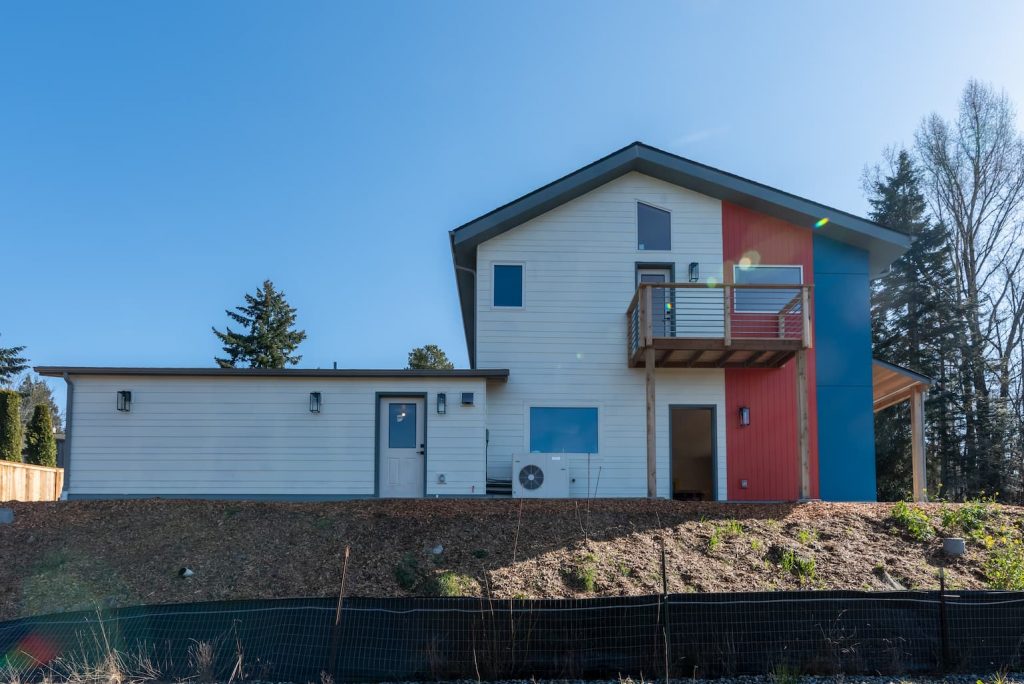
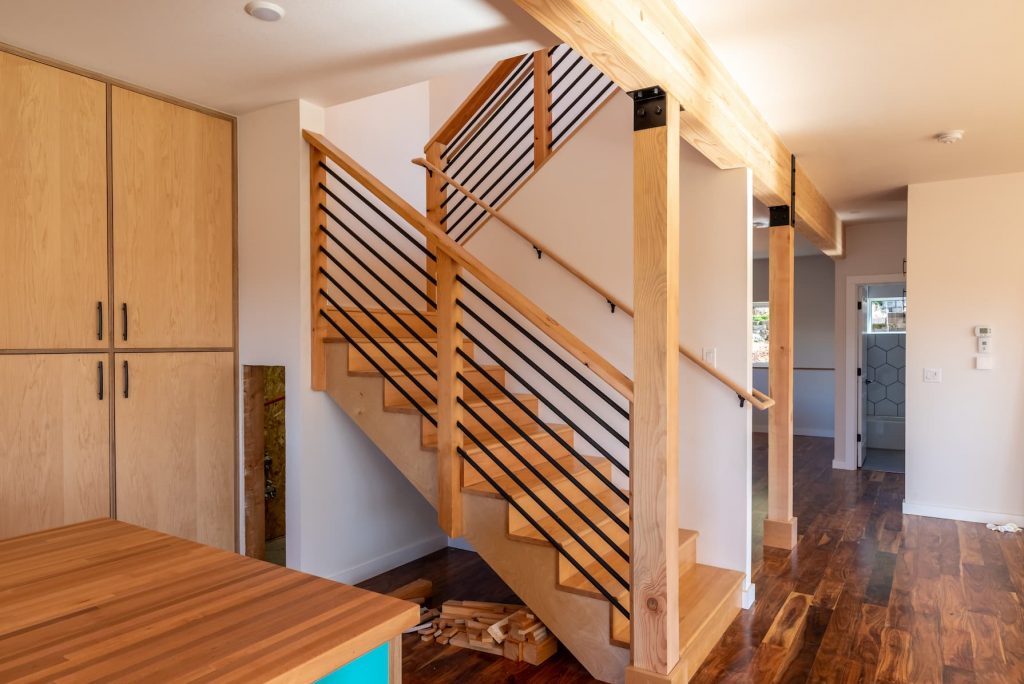
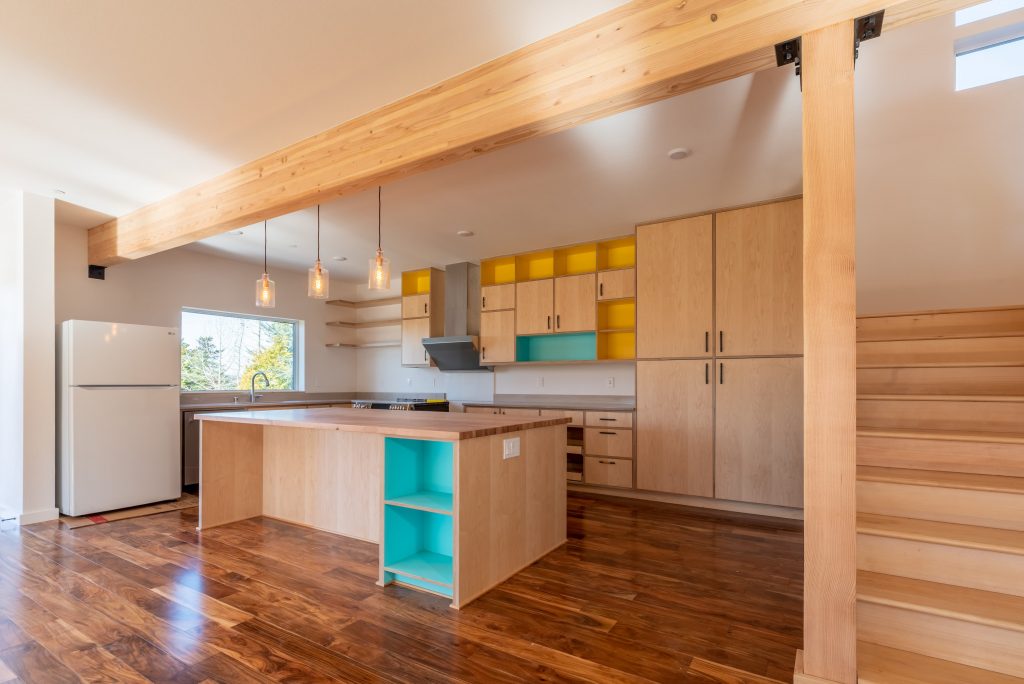
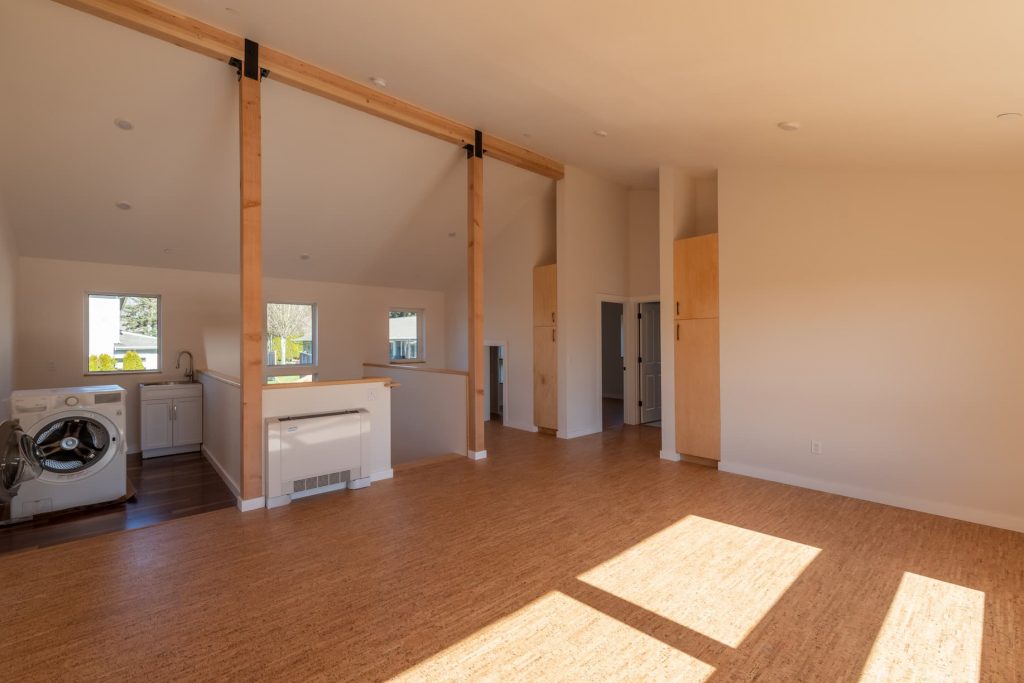
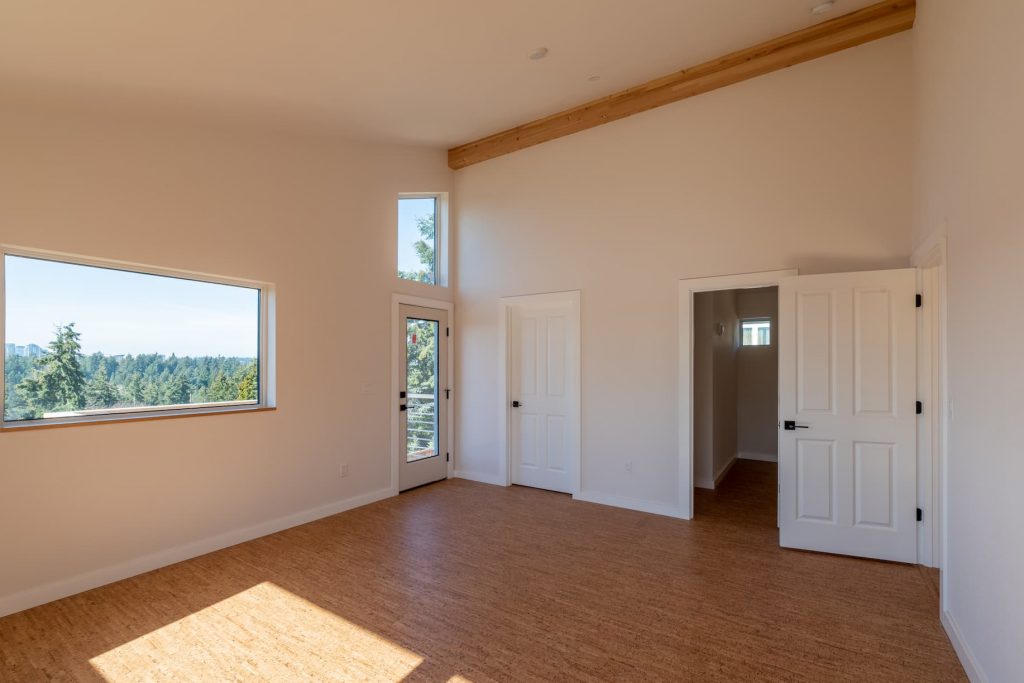
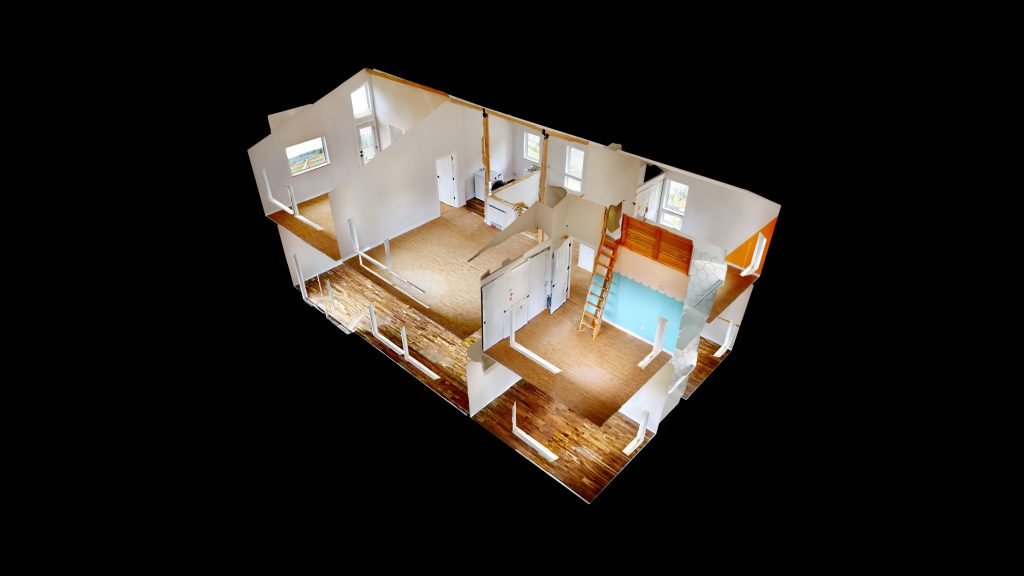
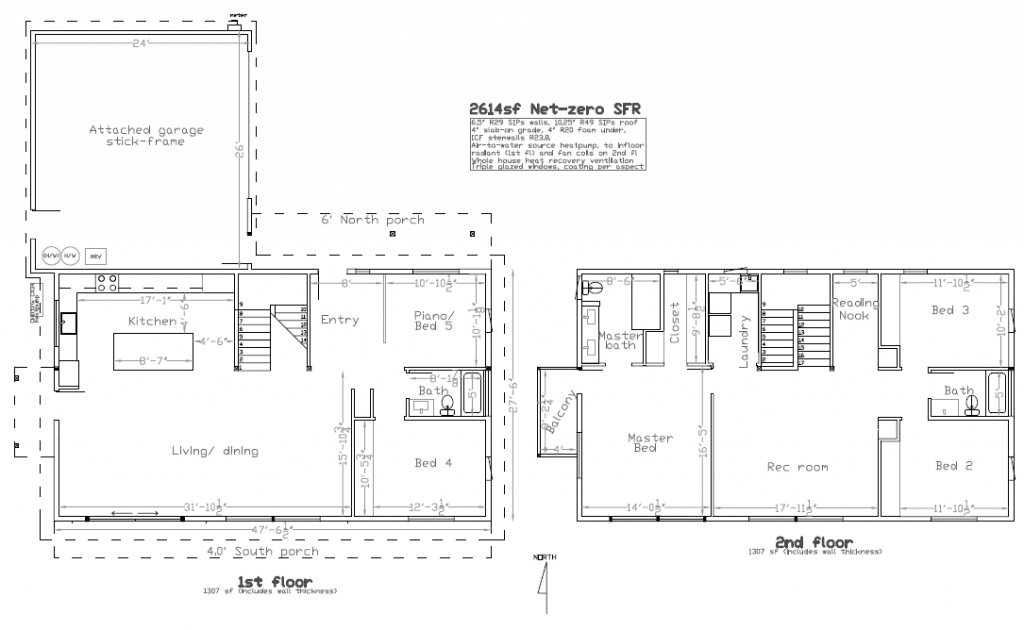
Located on a portion of a subdivided, family property, this 2,614 SqFt Bellevue, WA home is a beautifully built house that helps to foster multigenerational ties and community. With a 5-Star Built Green rating, EPA IndoorAir Plus certification, and a Net Zero Energy certification, this award-winning TC Legend home is an example of the influence and success of the Build Green program. With a specific focus on indoor air quality, this home employs a new ventilation and air filtration system, helping to make it a safe and comfortable environment for its occupants.

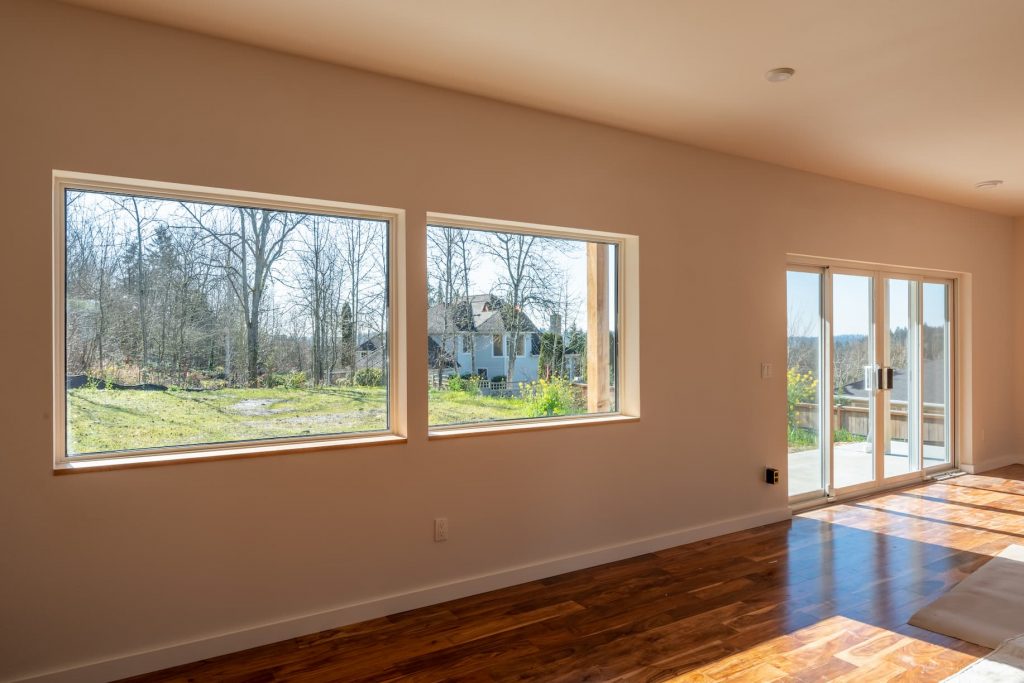
Built with passive and active solar needs in mind, the two-storey house faces south. Numerous triple glazed Vinvltek windows on the south side provide passive heating and light within the home. These windows and others throughout the house are coupled with white interior paint to help provide significant daylighting and reduce energy demand from the 100% LED home lighting. The home also employs a 12.87kW photovoltaic system, producing enough power to make the home net positive and power an electric vehicle. With a shell system constructed from 6.5” SIPs walls, 10.25” SIPs roof, 4” foam under the slab-on-grade, ICF form slab-edge stemwalls & U 0.18 average triple pane windows, this house has a tight envelope, helping to reduce energy consumption.

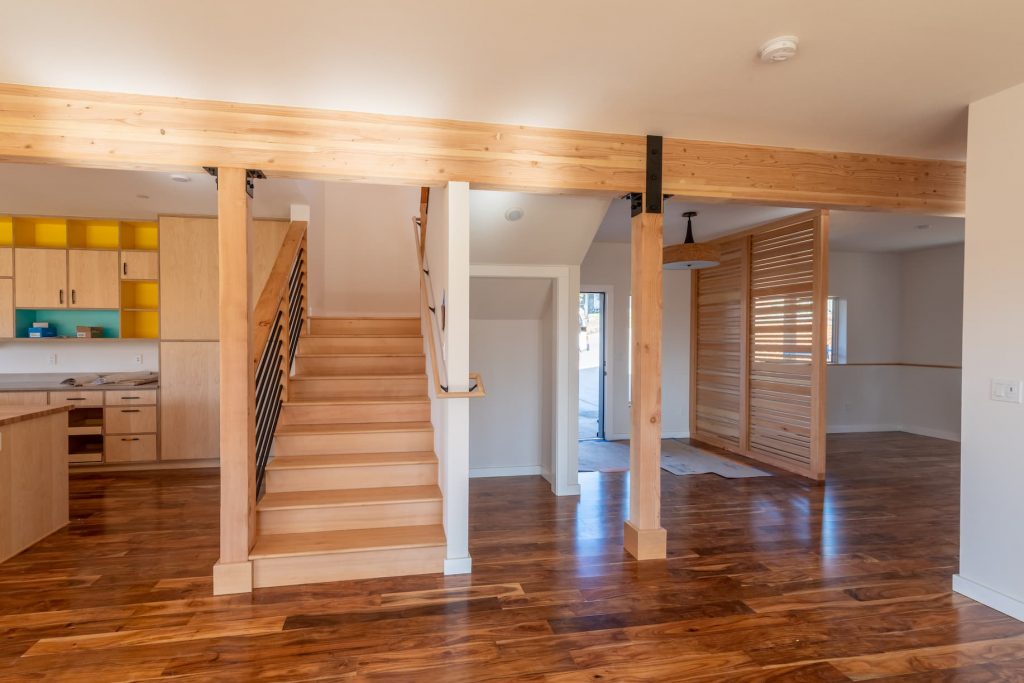
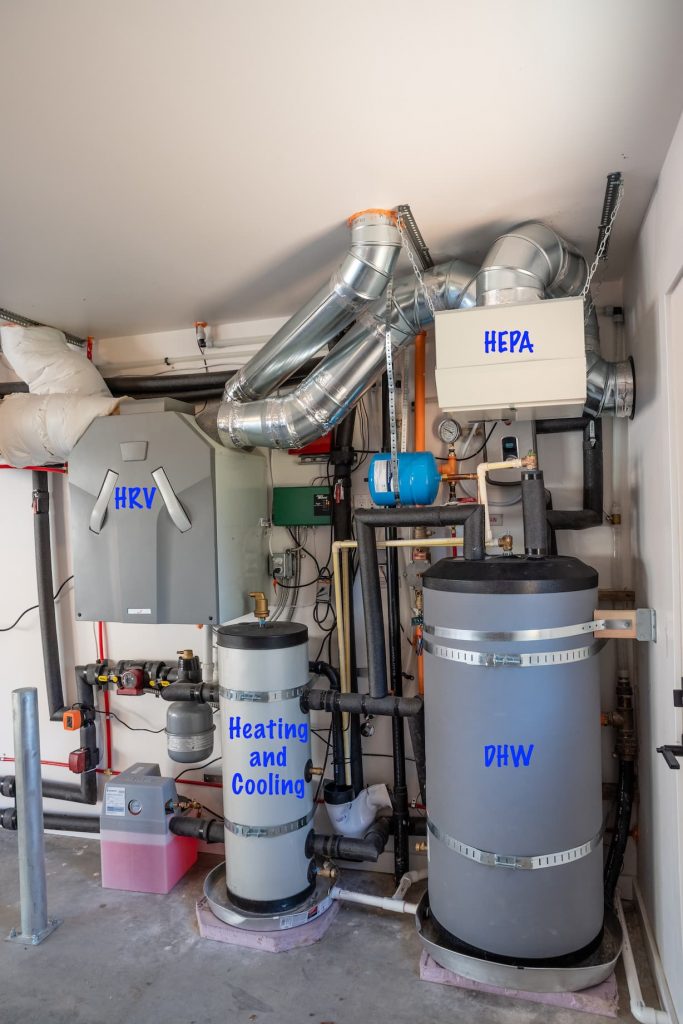
The three-bedroom, two bath house is meant to allow the occupants to age in place with the kitchen, main living space, a bedroom and bathroom, and ADA compliant doorways on the first floor. The state-of-the-art fresh air system includes a Zehnder 350 HRV, Zehnder Comfopost inline heating/ cooling coil, and HEPA air filtration system. This system allows for fresh, filtered air to enter the home throughout the day and to be increased when needed, such as when the kitchen hood fan is drawing smoke out of the kitchen during cooking. This fresh air system keeps the indoor air clean, reducing particulates in the air, even when the outdoor air quality is particularly poor such as during a summer forest fire.

Overall, this home is a comfortable, clean, and net positive building, allowing the homeowners to be happy, healthy, and confident in the knowledge that their home is serving their needs and protecting the environment in the process. The BuiltGreen Certificate of Merit and 5-Star rating this home received help to reinforce this knowledge due to the standard of excellence required of BuiltGreen certified homes.

Built Green highlights:

 SITE & WATER 

  • Long term erosion reduction strategies in place
  • Over 70% of building site left undisturbed with preservation of trees and native vegetation
  • Stormwater infiltration system catches all stormwater from the site and the uphill grandparents house, mitigating flow
  • Approx. 50% of the lot is turf grass
  • Watersense certified fixtures and low flow fixtures and toilets
  • Rainwater collection ready

ENERGY 

  • Net-Positive Home with a HERS score of -22 and extra power to serve an electric vehicle
  • 12.87 kW roof PV array
  • Substantial envelope insulation lowers heating requirement: R-30 walls, R-49 roof, R-20 under slab, R-24 slab-edge, average U-0.18 windows
  • Triple-paned Vinyltek Windows with u-values from 0.15-0.22
  • Passive Heating Design strategies utilized
  • Chiltrix Air-to-Water Heat Pump for heating and domestic hot water with COP of 3.92
  • AeroBarrier air sealing and blower door results of 0.47 ACH50
  • 100% LED lighting
  • All Energy Star certified appliances
  • Energy Star certified
  • DOE Zero-Energy Ready certified

HEALTH & INDOOR AIR QUALITY 

  • Indoor AirPLUS certified
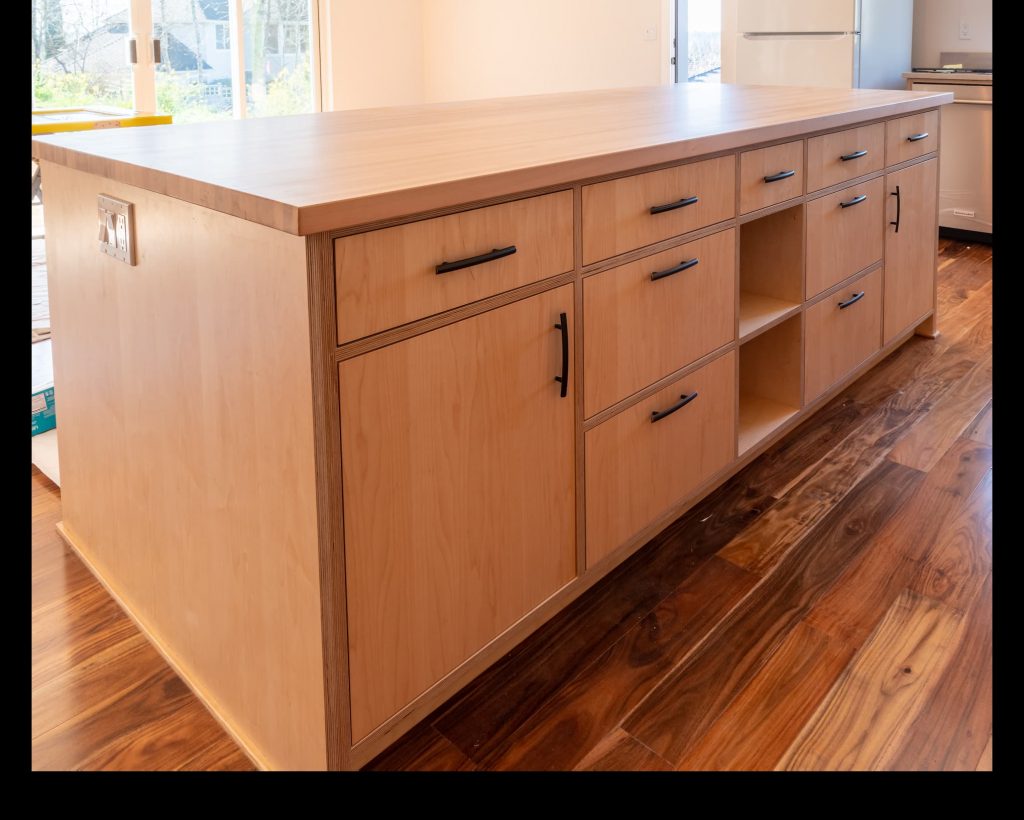
  • Solid wood cabinets with Low-VOC finish
  • All Low-VOC paints, adhesives, and sealants
  • No gas-burning appliances in house
  • HEPA Air Filtration System
  • Zehnder HRV with ComfoPost

MATERIALS EFFICIENCY 

  • Graphite SIPS for exterior walls and ceilings
  • ICF foundation walls
  • 85%+ of waste recycled
  • Locally produced lumber, SIPs, concrete, cabinets, doors, and siding
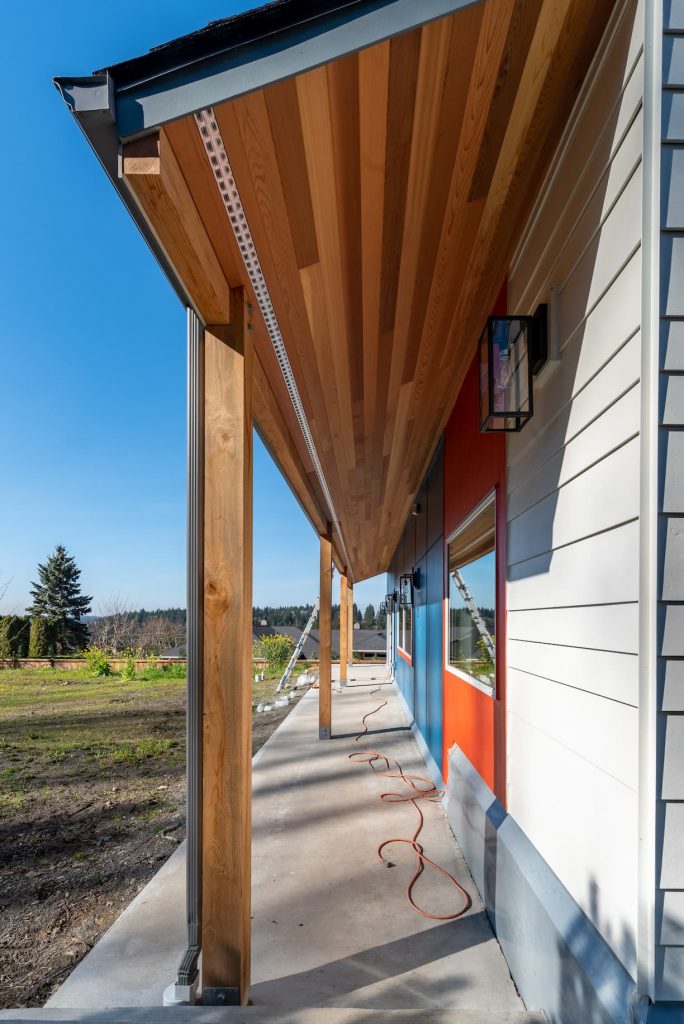
  • Exterior cedar posts constructed form telephone pole MFG waste
  • Leftover materials moved to next job
  • Solid wood, domestically grown interior doors and trim
  • Locally produced Vinlytek windows

Location: Bellevue, WA
Star Level: 5-Star, Net Zero Energy Label
Checklist: Single Family/Townhome New Construction
Verifier: ECoe Company

Site and Water: 109
Energy Efficiency: 239
Health and Indoor Air Quality: 126
Materials Efficiency: 109
Total Score: 629


Bellingham Public Schools Foundation – Let’s Make Sunnyland Solar!!

Bellingham Public Schools Foundation – Let’s Make Sunnyland Solar!!

A Message from Sunnyland Elementary School

Dear Sunnyland community and neighbors,

As we break ground this spring on the new Sunnyland Elementary and look forward to welcoming students, staff and our community into our new school in fall 2022, we are excited to share a grassroots initiative to solarize our new school.

Sunnyland parent Ted Clifton, who is also a member of the Sunnyland Educational Specifications/Design Advisory Committee, has inspired this project with ​a generous matching challenge gift of $10,000 to the Bellingham Public Schools Foundation (BPSF) to establish a new fund to provide solar panels at Sunnyland. That means the first $10,000 dollars of community giving will be matched dollar for dollar.

Anyone can donate to the new Solarize Sunnyland fund at the BPSF.

This project was inspired by Dawson Construction’s donation to the new Sehome High School, which allowed the school to install solar panels.

This is a meaningful opportunity to invest in Sunnyland and our planet! We are excited the money we save in electric and power will be put back into the classroom for kids, teachers and supplies.

All new schools and buildings in our district, including the new Sunnyland, are now built “solar ready,” which means donations collected to benefit this project will go directly into installing, operating and purchasing new panels. Sunnyland has capacity for 100-kilowatt array. Our district is excited to learn from this project, and it may influence bond planning in the future as we look to build other replacement schools with a focus on sustainability.

Thank you, Sunnyland community for your consideration to donate.

TC Legend Typical House

TC Legend Typical House

Ted & Jake did some virtual conference speaking last summer.

The subject was how to build an affordable Net Zero home.

The principles are simple. Here are the notes:


Design

Simple, rectangular footprint, Conforming to the formula for the Pacific Northwest the rectangular footprint is; 1.6 units long on south wall, 1 unit deep east and west walls. No wiggles or bump-outs as they increase cost and reduce energy efficiency. The long side faces south to harvest winter passive solar heat. Short east and west sides are minimized to reduce exposure to hot, low angle sun.

Formula for glazing. To avoid overheating during summer, large east and west facing widows are avoided. South-side glazing is heavily preferred as there we can shade the hot, high summertime sun with eaves and shades, yet allow the low wintertime solar heat to enter.

Daylighting. Rooms needing great daylight: kitchen, dining room, etc. are located on the south side behind the plentiful south windows.

The low-light-requirement rooms: mechanical rooms, bathrooms, staircases etc. are to the north.

Correctly sized clerestory windows can bring daylight deep within the interior of the house.

Pitched roof. A huge south roof, pitching to the south collects solar power from roof-mounted PV panels. Often the south roof is asymmetrically large, to create space for the maximum number of PV panels, achieving Net Positive and powering an electric car. This is a new aesthetic - Environmental Modernism!

Right sized rooms: Interior spaces and rooms that are exactly big enough to thrive within, but no bigger. Well placed exterior doors access the outside when you need more space.

Energy modeling. Modeling the building during the design process ensures it’s on-track to meet Net Zero, and allows precise evaluation of the cost/ energy advantages of the various construction components, including the HRV.

We use the WSU component performance worksheet. It’s a free excel spreadsheet, specific to WA state.

Detail: Post & beam structure.  Fine-finished structural posts and beams enrich the interior at low cost, and allow easy remodel as no interior walls are loadbearing.

Detail: Slab-on grade. Fine finishing the concrete slab-on-grade floor gives a modern, durable interior at low cost. Not compulsory though, the slab can be covered with engineered floating floors.


Site selection

Flat lot: Lower construction costs by avoiding steep lots with expensive retaining walls, excavation, soils trucking and geotechnical involvement.

Utilities: Power, water, sanitary drainage/ septic, driveways. Utilities can cost over $80K to install on remote rural lots. The ideal lot has all the utilities stubbed-out in the street or on-site.

Solar exposure: An ideal site would have a clear sky to the south, down to the horizon so the building can harvest low, wintertime passive solar heat. If there were deciduous trees to the east and west, those trees could shade the east and west walls / windows in summertime but allow valuable winter light to penetrate once the leaves have all fallen off!

Critical Areas: Water in all forms is heavily protected in Washington State. The presence of wetlands, streams, lakes and ocean all add to the complexity and cost to build.


Construction

SIPs panel construction: Highly insulated R29 walls, R49 roof are fast to build and are inherently very air-tight. The thick roof panels span far and make vaulted roof space as standard.

ICF formed stemwalls: Insulating the stem-walls adds R24 below grade, preventing the building from leaking heat at the slab edge.

4” under-slab foam: R20 foam below the slab as standard.

Triple Pane windows: Standard.


Mechanical

Heat recovery ventilator (HRV): Delivering fresh air is essential in super-sealed modern buildings. HRV ventilators recover over 90% of outgoing heat, whist providing constant fresh exterior air, filtered to HEPA standards with particulates removed.

Heat pump. Electric air-to-air (Fujitsu), or air-to-water (Chilltrix) heatpumps are highly efficient and provide cold air conditioning in addition to heating.

Concrete floor: The slab-on grade is inside the energy shell (above the 4” R20 foam) and serves as a thermal heatsink; storing the house’s warmth, or cool, within the concrete. Protecting the heatpump from short-cycling and preventing temperature swings, even during a multi-day power-outage.

Energy star appliances: As standard.

Solar panels: As standard to achieve net zero, or net positive if an electric car will be driven.

How $200/ square foot?

The economics are made possible because the house is explicitly designed to achieve net zero and to cost $200/sf. The shell, mechanicals and living quality are best-of-breed, the finishes are durable, solid materials, and modest.

There is an economical point (~1200sf) where the house has to become two story to remain in this cost bracket.

Small houses below 1500sf cost closer to $250/ sf as the basic elements (heating, kitchen, bathroom, etc.) all still have to be present and are not reduced as the floorplan reduces.

$200/ sf is possible (for a NetZero house with solar installed) with a 2,000sf house.

If you want a small (e.g. 800sf) NetZero house for $200/ sf: Think about duplexing with your friends, triplex, multiplex, co-housing.


zero energy plans