Water is often thought of as an infinite resource because of the vastness of the oceans, lakes and rivers and the great quantities of rainfall across the land.
In actuality, of all the water on this planet, less than 0.3% of it is accessible for human consumption.2 Of that 0.3% of accessible water, many regions are battling pollution in their local tap water, as well as water shortages.
In fact, in a 2014 study by the U.S. Government Accountability Office, “40 of 50 state water managers expected shortages in some portion of their states under average conditions in the next 10 years”1.
This is a reality that we are seeing ring true 8 years later.
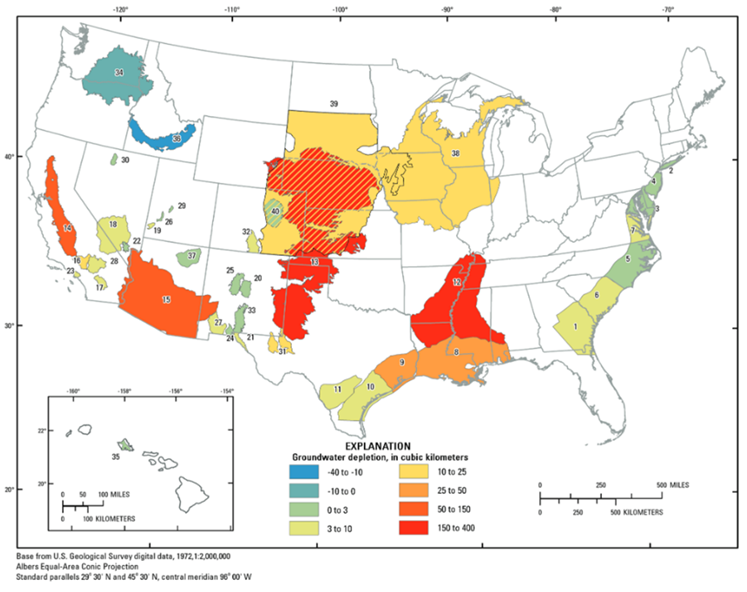
Groundwater in the USA is the main source of drinking water for almost 50% of the total population and “provides over 50 billion gallons per day for agricultural needs.”4 However, as shown in Figure 1 and described by USGS in “Groundwater Decline and Depletion,” many of the USA’s largest aquifers are depleting due to the outweighed removal of water from natural replenishing4.
1 “Map of the United States (excluding Alaska) showing cumulative groundwater depletion, 1900 through 2008, in 40 assessed aquifer systems or subareas….Colors are hatched in the Dakota aquifer (area 39) where the aquifer overlaps with other aquifers having different values of depletion.”4
Although, this is not just an issue with large aquifers and the ramifications on one side of the country will inevitably affect the country as a whole, as we share resources throughout from bottled water to crops and livestock watered with local aquifers. Not to mention, as we deplete our own resources, we are simultaneously depleting the resources for our surrounding ecosystems, which require clean water just as we do.
As with all environmental issues, there is a trickle-down effect that must be taken into consideration.
But as a society or individual, what can we do to help?
Firstly, if your local tap water is safe to drink, then choose that option before purchasing bottled water and taking away the local tap water from others. You can also install a whole-house water filter if worried about certain pollutants in the local tap water.
Secondly, opt to use a dishwasher and heated dry option instead of handwashing your dishes where applicable.3 Unless you are correctly hand washing dishes in a two-basin setup as described in Porras, Gabriela Y, et al article, it is more efficient in both greenhouse gas emissions and water usage, to use a dishwasher (with the only pre-treatment being scraping off food particles).3
Thirdly, when purchasing appliances and plumbing fixtures, only purchase those that are WaterSense® labelled. This ensures they are water efficient. Also opt for dual flush toilets if composting toilets are not an option.
Fourth, do not plant grass for landscaping and instead plant native flora that doesn’t require extra watering. If some form of grass is desired, try planting an alternative like wildflowers, clover, moss or sedum. These can give a similar visual and functional effect as grass but promote a more biodiverse ecosystem while also requiring little to no manual watering.
Lastly, if you do choose a landscape that requires manual watering, install a rain catchment system to supply the water instead of using potable water out of the hose bib. There is no reason to use clean drinking water on plants and lawns, when they will fair just fine with rainwater.
There are many other ways to increase water efficiency and reduce water consumption, however these listed are some of the easiest and best ways that you can make a difference just in your home.
At TC Legend Homes we understand the importance of water conservation through efficiency, which is why we have made it our standard to require WaterSense® labelled fixtures. We also encourage clients to landscape with only native flora and add rain catchment systems to their yard.
In actively reducing our water consumption and using water efficient solutions, we can help reduce the rate at which we are depleting the world’s accessible water, leaving more time to find a solution to the water crisis and help reverse the impact we’ve already had.
This in turn, will also reduce the impact that our water depletion is having on the ecosystems around us, as well as help reduce the inequity that comes with competition for draining resources.
SOURCES:
“Freshwater: Supply Concerns Continue, and Uncertainties Complicate Planning.” GAO, U.S. Government Accountability Office, https://www.gao.gov/products/gao-14-430. 2/21/22.
3Porras, Gabriela Y, et al. “A Guide to Household Manual and Machine Dishwashing through a Life Cycle Perspective.” Environmental Research Communications, vol. 2, no. 2, 12 Feb. 2020.
4Water Science School. “Groundwater Decline and Depletion.” USGS, United States Geologic Survey, https://www.usgs.gov/special-topics/water-science-school/science/groundwater-decline-and-depletion. 2/21/22.
For TC Legend Home’s 9th time, we are thrilled to announce another Department of Energy Housing Innovation Award (HIA) winning home!
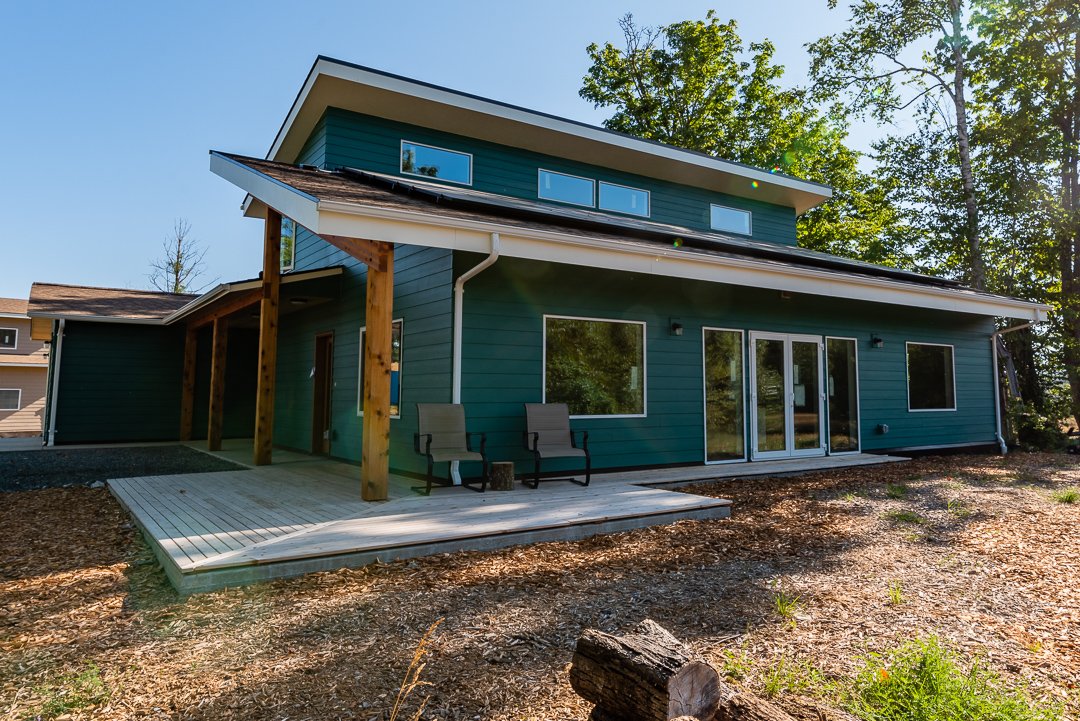
House-in-a-Hollow has won the grand prize for the ‘Custom for Buyer less than 2500 Square Feet’ category. We could not have achieved this award without the amazing homeowners who helped us push the envelope and our extremely skilled field crew who nailed the execution (pun-intended). 🙂
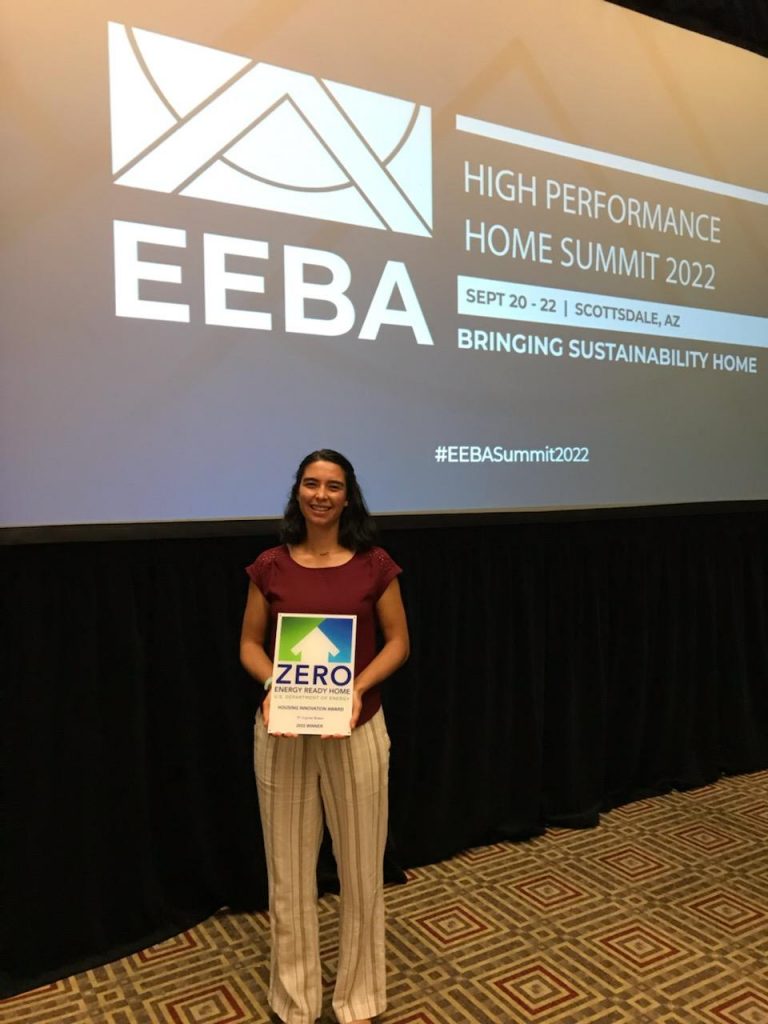
Our very own Talia receiving TC Legend Home’s Department of Energy 2022 Housing Innovation Award!! Talia had a blast at the EEBA conference last week in Scottsdale, AZ and loved seeing The House in the Hollow showcased!
Each year the HIA updates their application pushing companies to innovate more and change with the times, and this year was no exception.
Along with the house performance, design and materials/sustainability information required, the award also requires the builder to submit information on their business metrics and how they create quality construction.
This year, they added the “Advances Home Concepts” section which consists of written portions on the company’s advanced building practices, smart building techniques and environmental impact.
Much like the Seattle based Built Green program, they have also added a portion to evaluate the company’s sustainable business practices which includes their diversity, equity and inclusion practices, and workforce training.
These latter additions are very valuable as the industry recognizes the interconnection between sustainable housing and equitable housing. Sustainable housing should not just be for the wealthy and, in fact, those of lower incomes are far more likely to live in homes or areas that negatively impact their health.
This is due to the homes being less desirable to the wealthy and therefore cheaper, creating a market where the only homes that are financially available to folks with lower income, are the ones that are unhealthy. It should go without saying that this is unfair and unjust. Making it that much more important the sustainable housing be available for everyone.
#2022HIA
Award Winning Features of House-in-a-Hollow
House Description:
Size: 1935 sf
Bedrooms: 3
Bathrooms: 2.5
Lot Size: 9.88 acres
Garage: separated and unconditioned
HERS Index (With PV): -23
Annual Utility Costs: -$278.00
Energy Savings: 20,354 kWh
Net-Zero: Yes
Aging-in-Place Design: Yes
Clerestory Design: Yes
Certifications:
ENERGY STAR
Zero Energy Ready Home
EPA Indoor airPLUS
Built Green 5 Star
Construction:
Walls: 6.5 inch Neopor SIP panel (R-29) with Hardie plank lap siding
Roof: 10.25” and 12.25” Neopor SIP panel (R-49 and R-59), IKO Armourshake asphalt roofing, foam splines in place of wood splines
Air Sealing: Aerobarrier sealed to 0.54 air changes per hour (ACH)
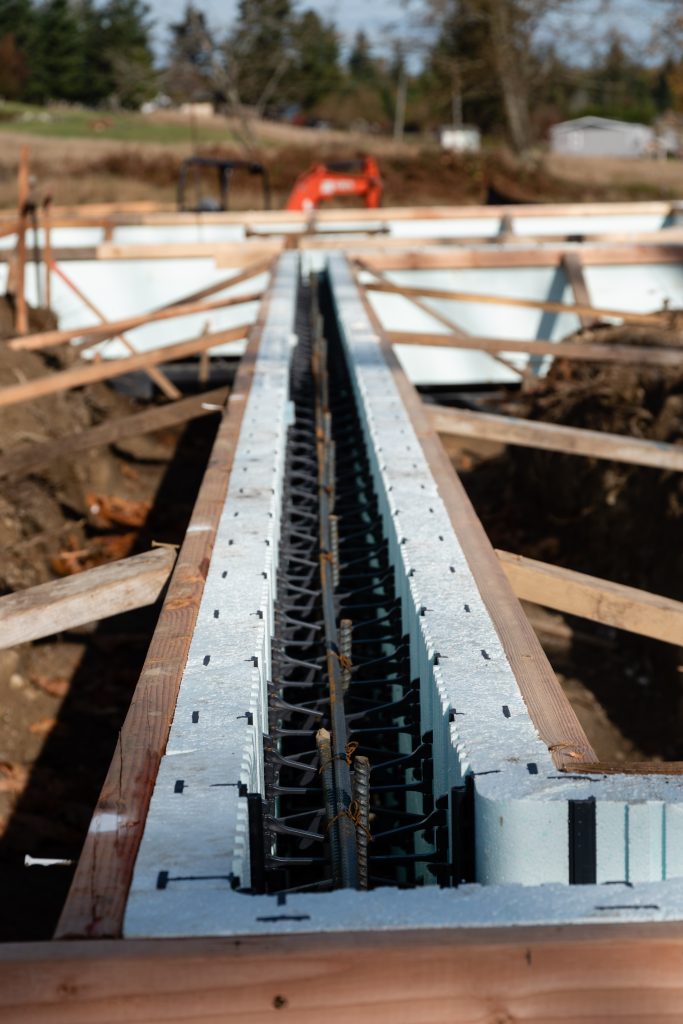
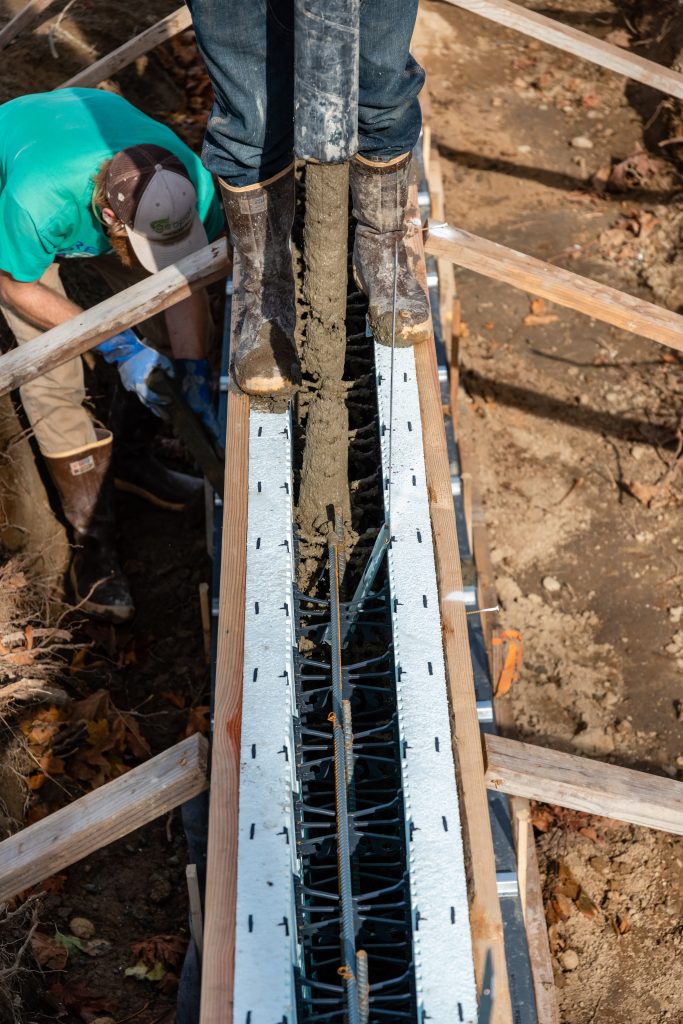
Foundation: Slab on grade with R-20 underslab insulation and insulated concrete form (ICF) stemwalls
Windows: Vinyl, Triple-pane, Low-e3 coating, Argon-filled, Fixed U-value of 0.15, Casement U-value of 0.18
Additional: Extended roofs/eaves and clerestory windows for summer shading and passive winter gain
Mechanical:
Ventilation: Zehnder Comfoair 550 whole-house HRV, Fantech HEPA filter, whole house CO2 & humidity sensors
Heating/Cooling: Chilltrix CX-34 air-to-water heatpump with Comfopost, radiant in-floor heating on first floor, and fan coil unit heating on second floor
Hot Water: Domestic hot water is heated by the Chilltrix heatpump
Photovoltaics: 10.56kW rooftop array with microinverters on each panel
Electric Vehicle Charging Station: Yes
Additional: Awair Indoor Air Monitor that tracks the internal humidity, temperature, chemical pollution (VOCs), PM2.5, and CO2
Additional: 100% LED lighting, Energy Star appliances, WaterSense and low-flow plumbing fixtures, low-emission finishes
Land Development
Undisturbed Land: 98%
Tree Retainage: 74%
Wetland Buffer Mitigation: Installation of 630 native trees & shrubs
Landscaping: Installation of only native plants that require no potable irrigation
Grass: No
Additional: Large rocks placed along perimeter to deter human impact on wetlands, a few trees removed on the immediate South side of house for passive solar gain & PV array, trees to East & West retained to shade house
Learn more about other innovative builders and award winners here:
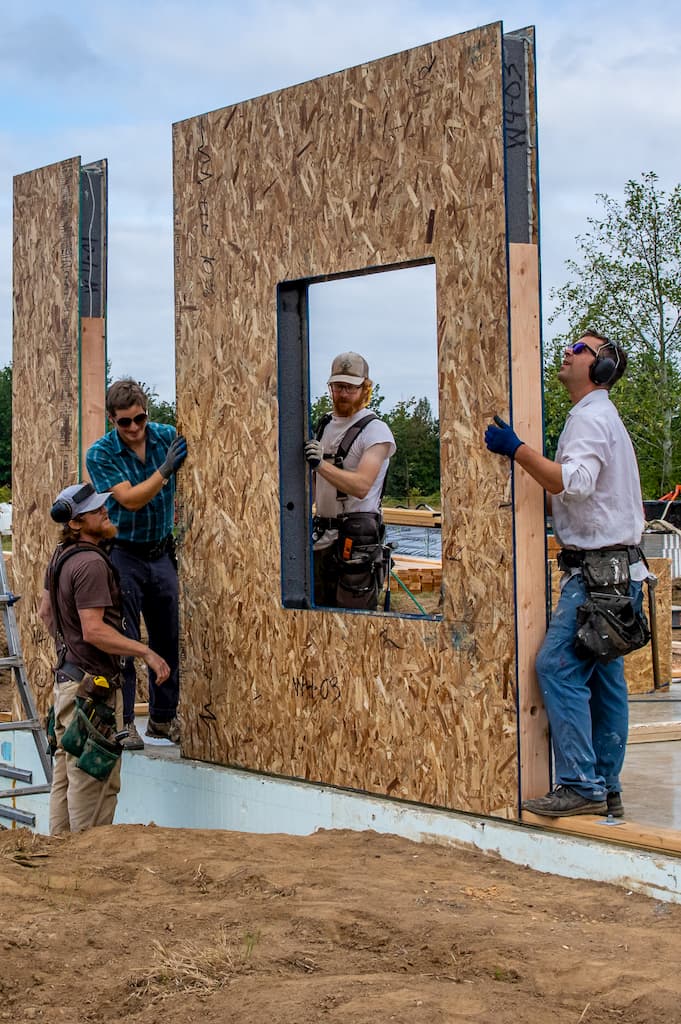
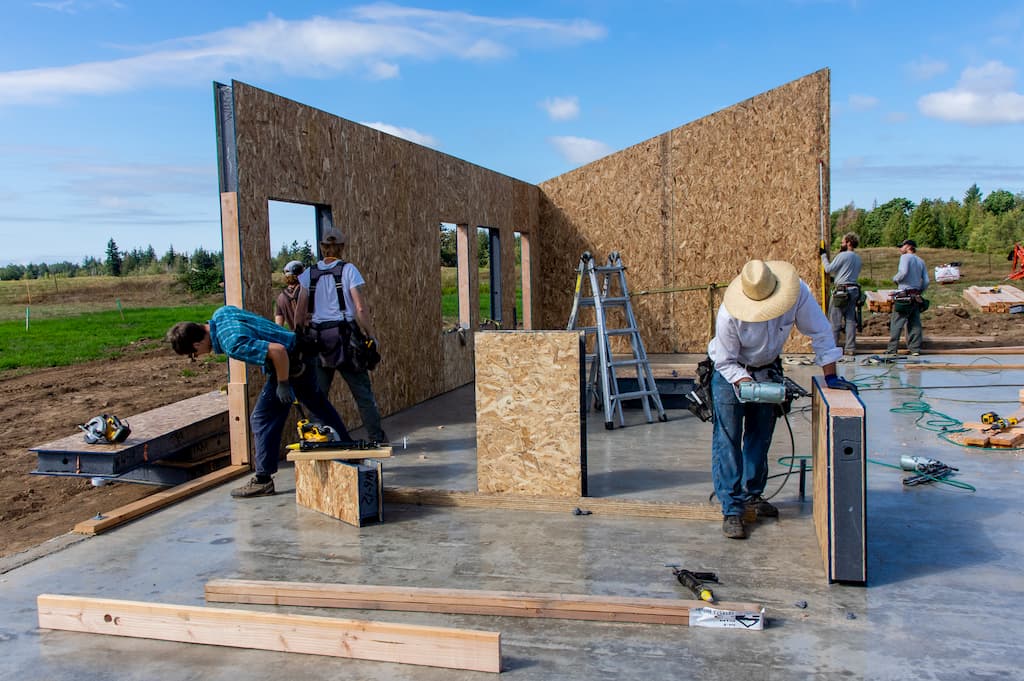
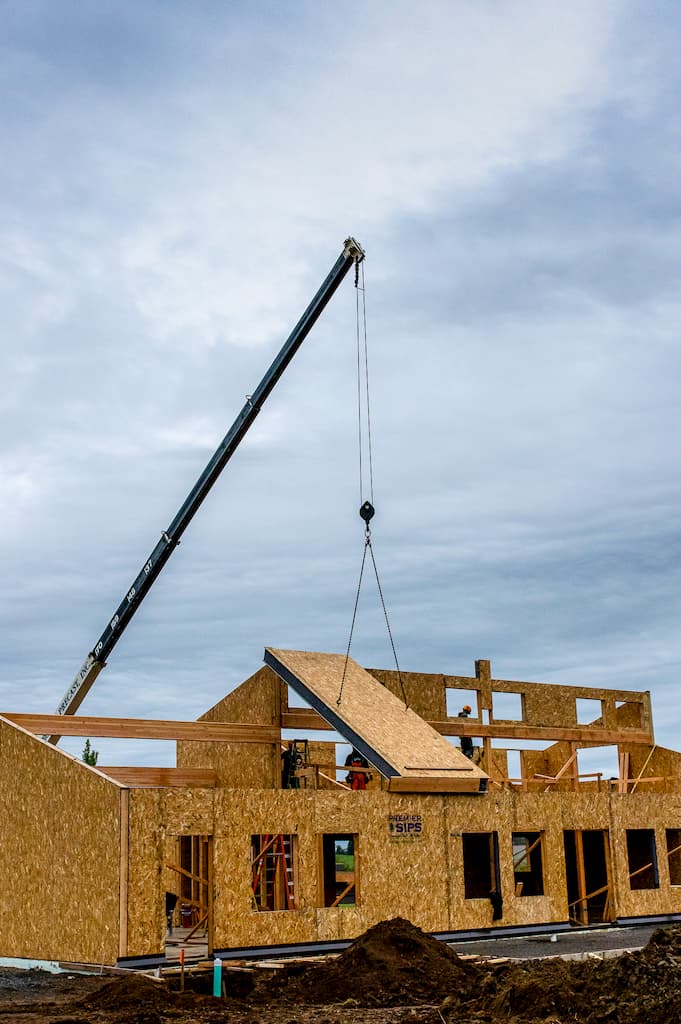
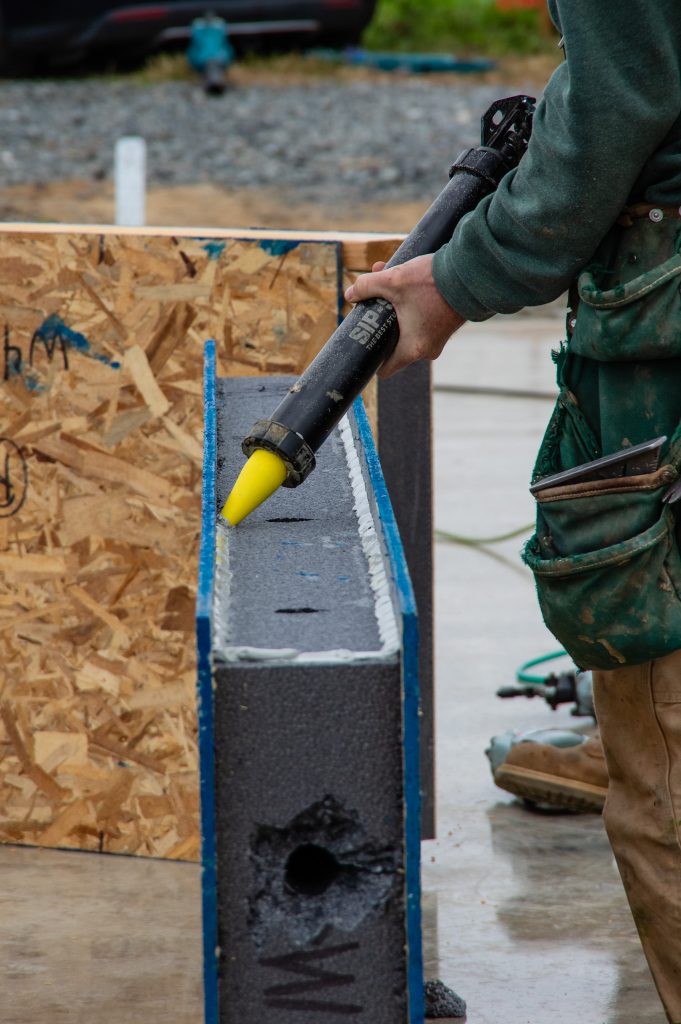
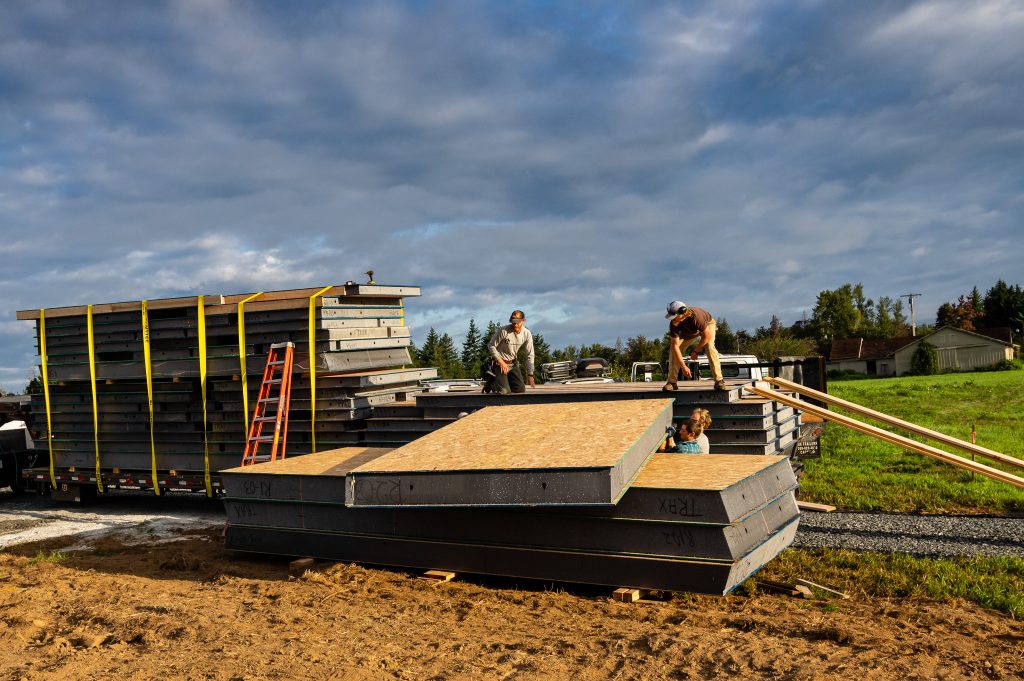
TC Legend is pleased to announce we will train SIPs installers & ICF installers this summer through winter!
Training will take place at our sites in and around Bellingham, WA.
Places are limited as we only have six houses left to build this year and four of them have foundations poured already, none have the SIPs erected. So be quick to claim your spot!
Folks who are interested should have a minimum of (2) years framing experience for SIPs, and (2) years concrete foundation work experience for ICF.
The purpose of these trainings is to increase the number of capable SIPs & ICF installers.
TC Legend has a growing plans-for-sale business which will design & permit many new houses in the Pacific Northwest, and these plans (with permits) could be built by the newly trained installers.
Cost for the training will be $175/ day.
SIPS Training: (4) days for SIPs (3 days of walls, 1 of roof).
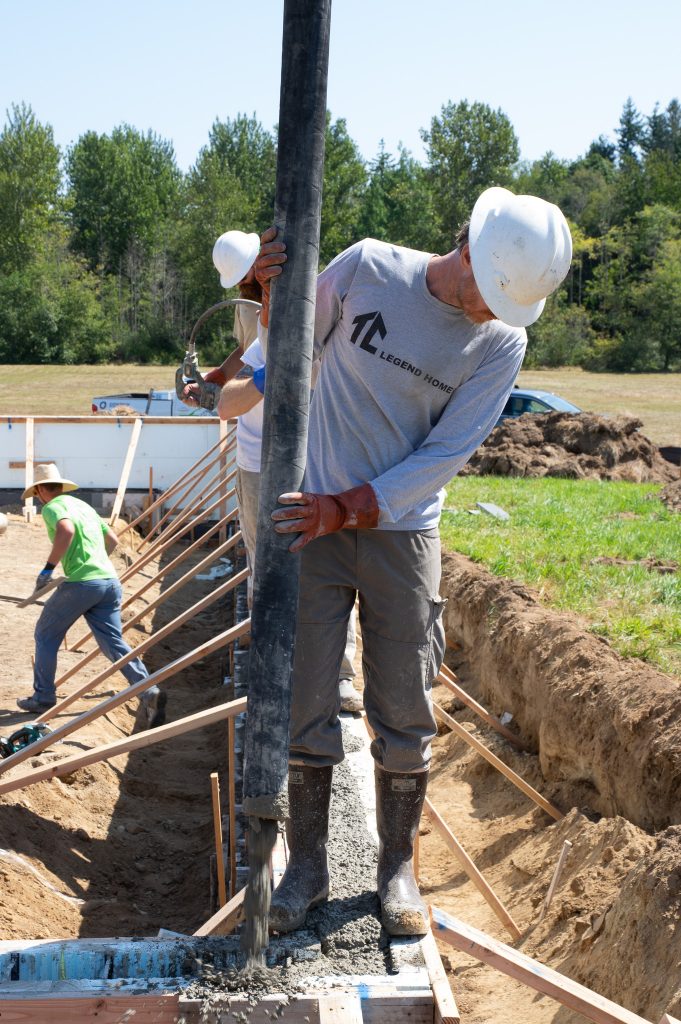
ICF Training: (3) days for ICF.
We encourage established contractors to contact us!
Please contact Nicole for more info on training dates and to claim your spot: nicole@tclegendhomes.com
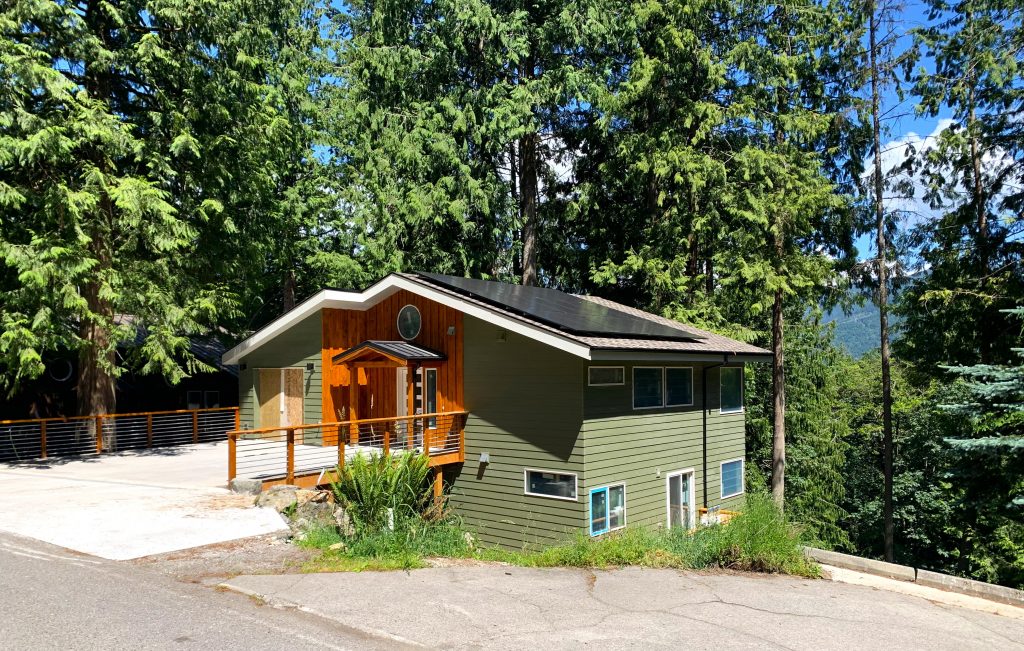
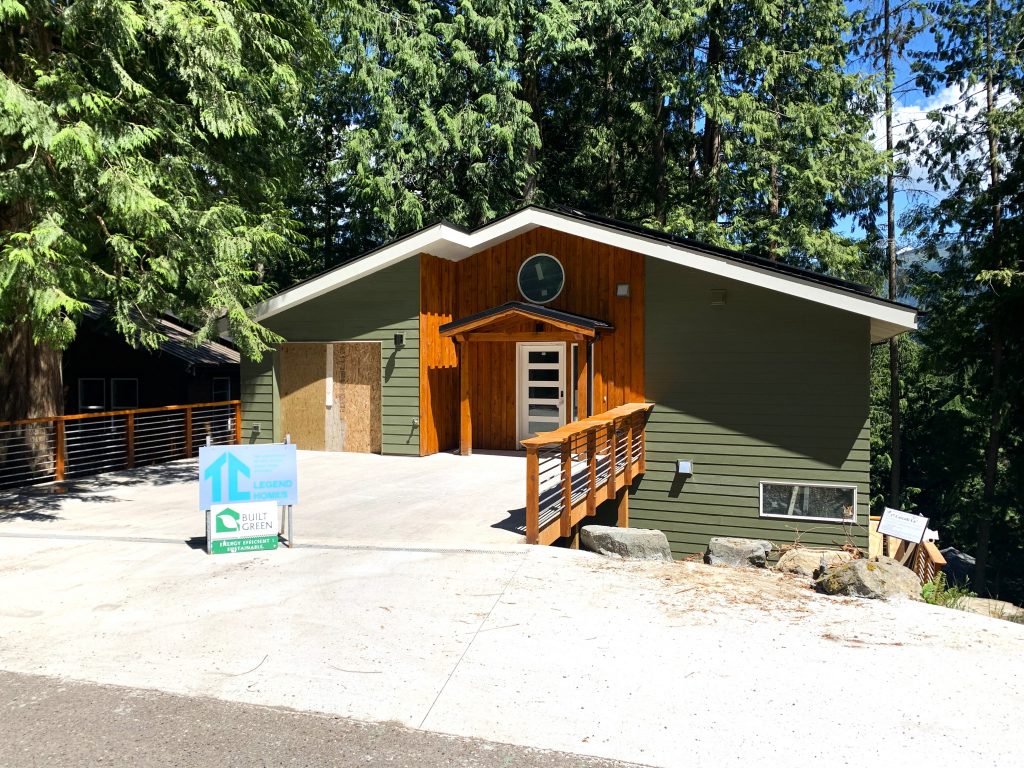
For the first time in over 10 years, TC Legend Homes has had the opportunity to build our very own spec home!
We are excited to announce that it will be completed and ready to sell within a couple weeks’ time!
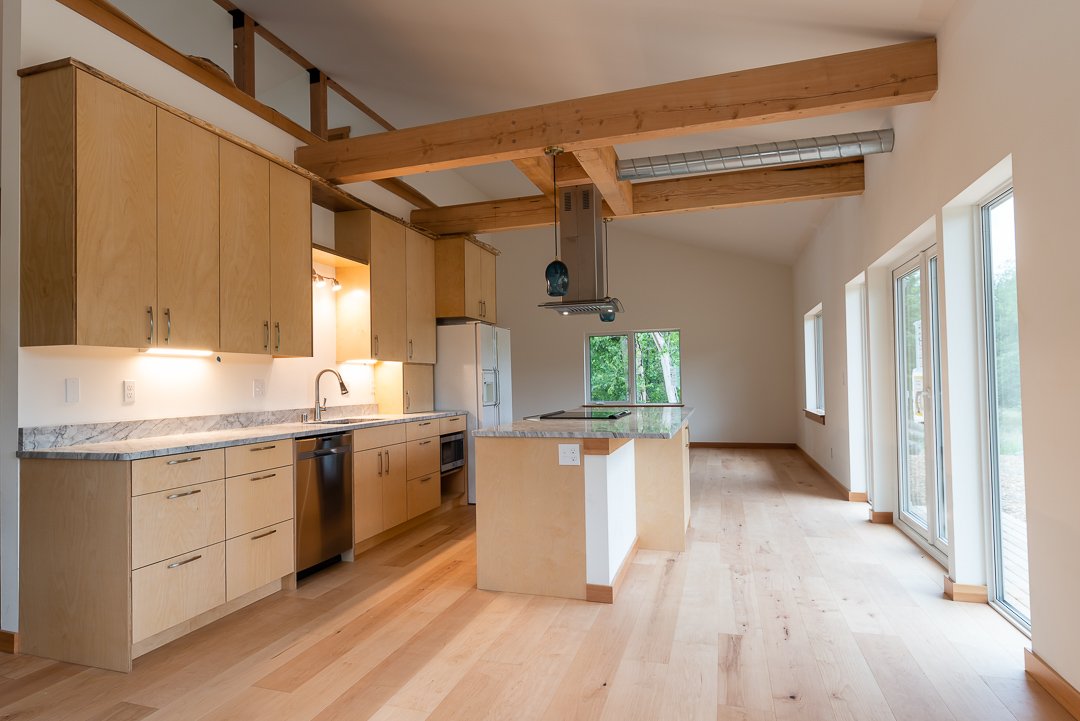
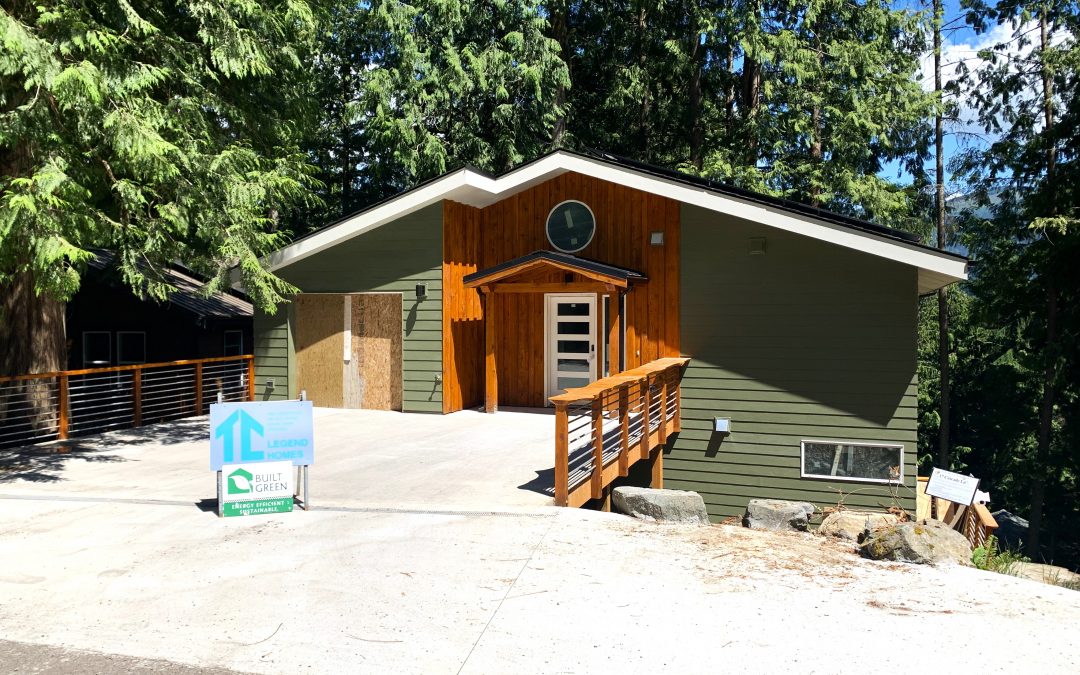
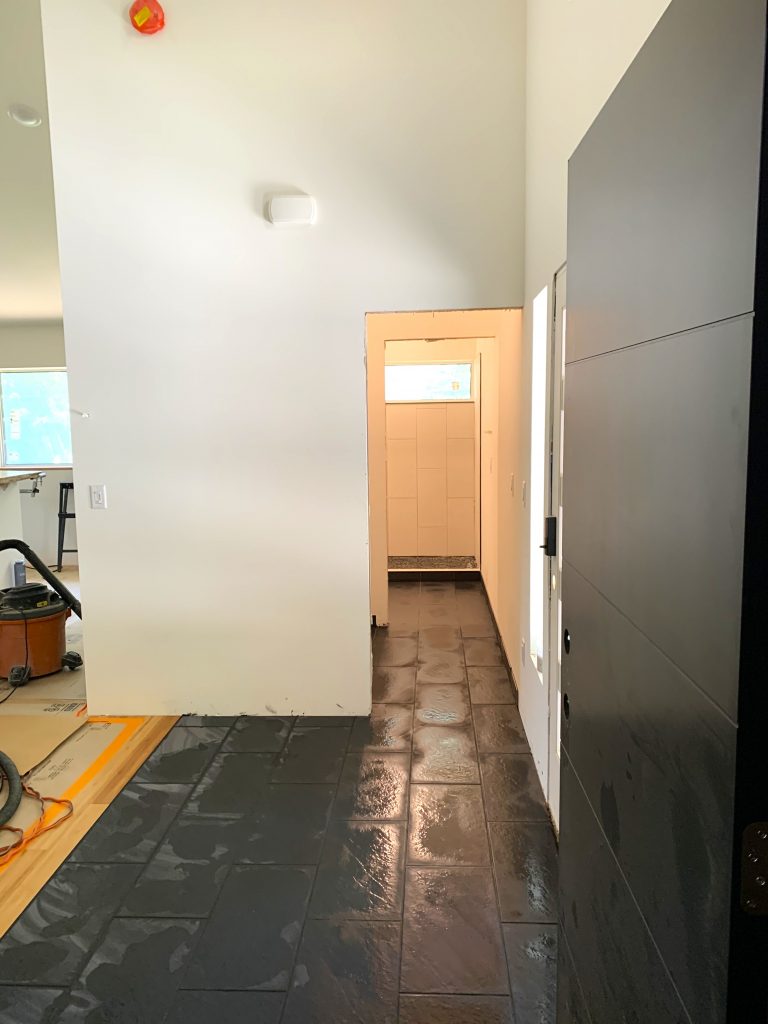
This lovely forest bungalow located in Sudden Valley, named Cascade, features our typical SIPs and ICF construction, energy efficient techniques and solar array creating a Net-Zero house that can also power an electric vehicle.
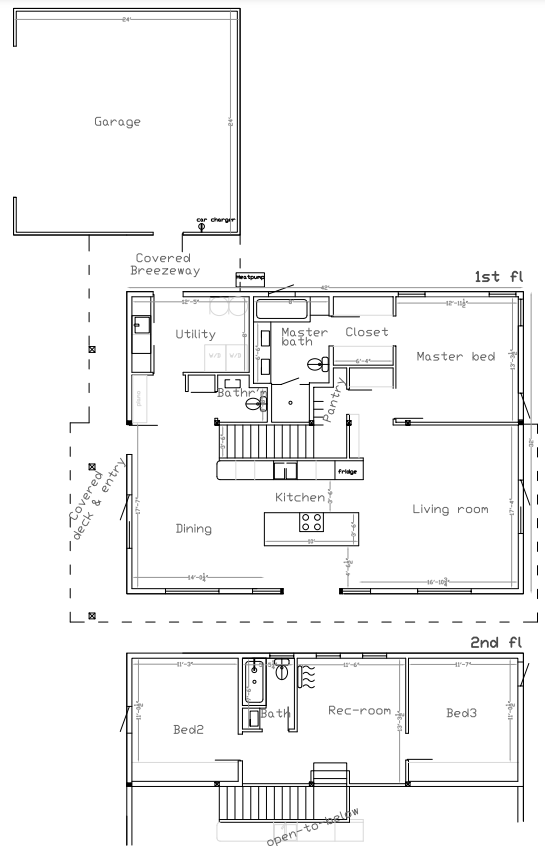
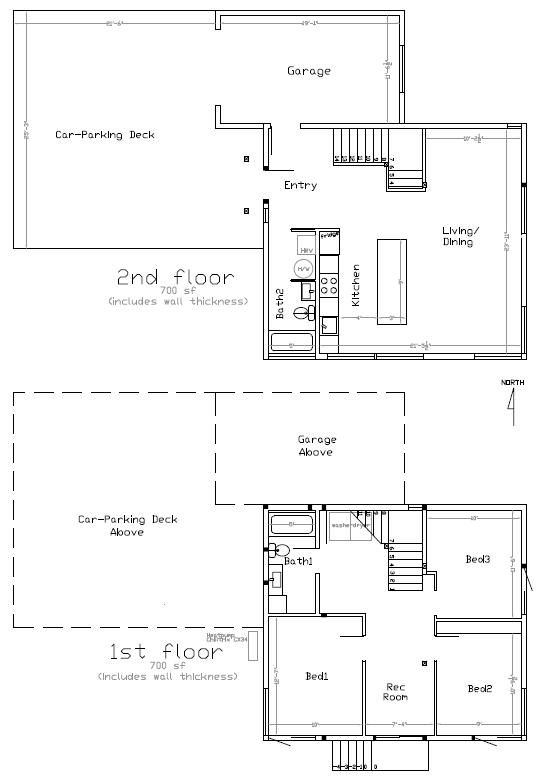
It has 1400 square feet of living space and a 240 square foot garage, with a total of 3 bedrooms and 2 bathrooms.
The extra-large bridge driveway can park an additional 3-4 cars or has ample room to work and play!
As always, this home is heated by a Chiltrix CX34 air-to-water heat pump and two fan coil units for added comfort. The heat pump also provides air conditioning in tandem with the Fantech Hero 250H-EC heat recovery ventilator (HRV). The envelope is vapor sealed and the window are triple paned with Low-E coatings for extra energy efficiency.
For superior indoor air quality, Cascade features an HRV system with added HEPA filters, low/no VOC finishes throughout, FloorScore rated solid bamboo floors, and all electric appliances and heating.
We anticipate Cascade to perform exceptionally well like all of our other homes and obtain Built Green 4-Star rating, EPA Indoor AirPLUS certification, EPA Energy Star certification and Department of Energy Zero Energy Ready Home rating.
So far, the house has received a 0.45 air changes per hour envelope seal, which far exceeds the Passivehaus standard.
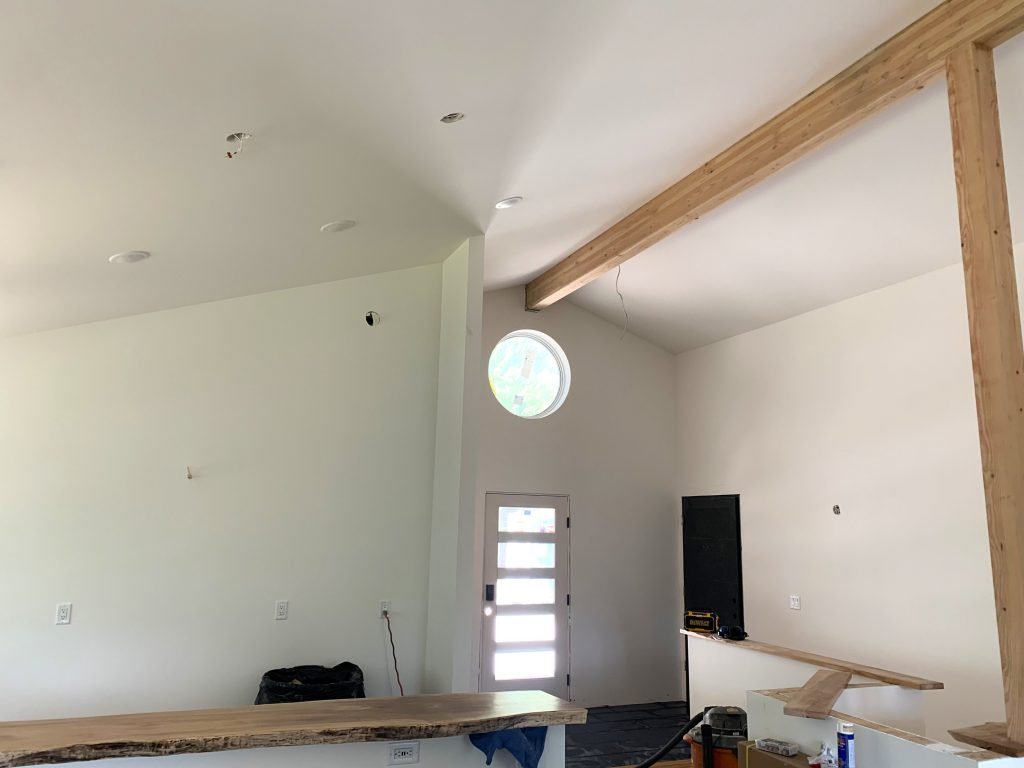
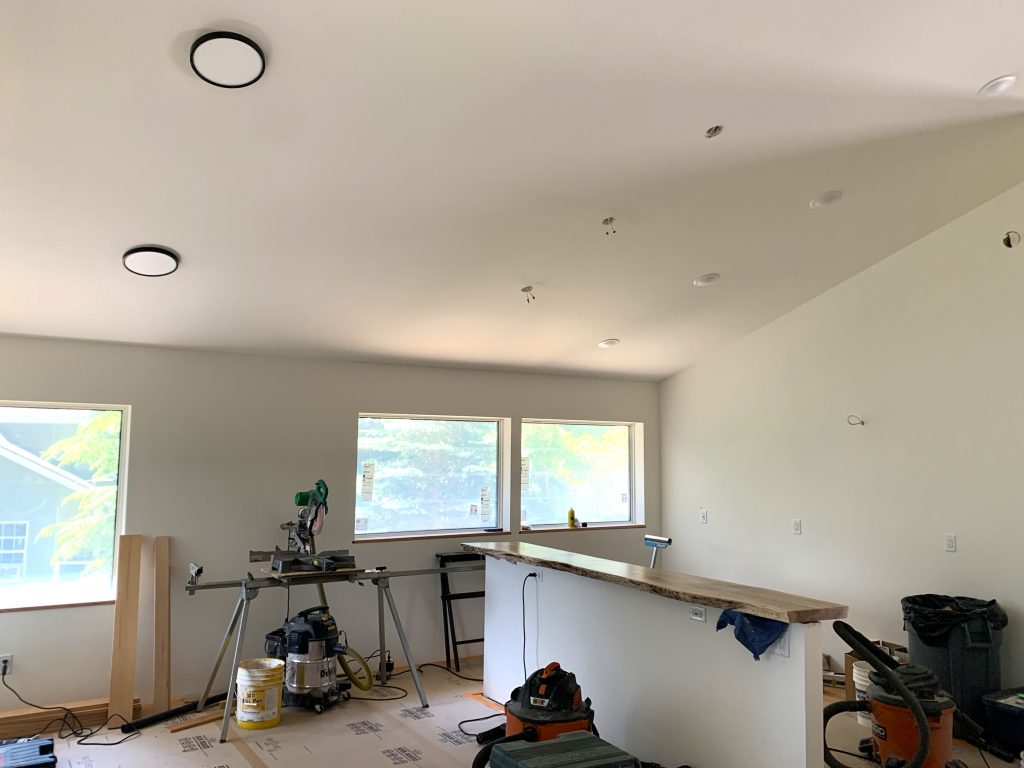
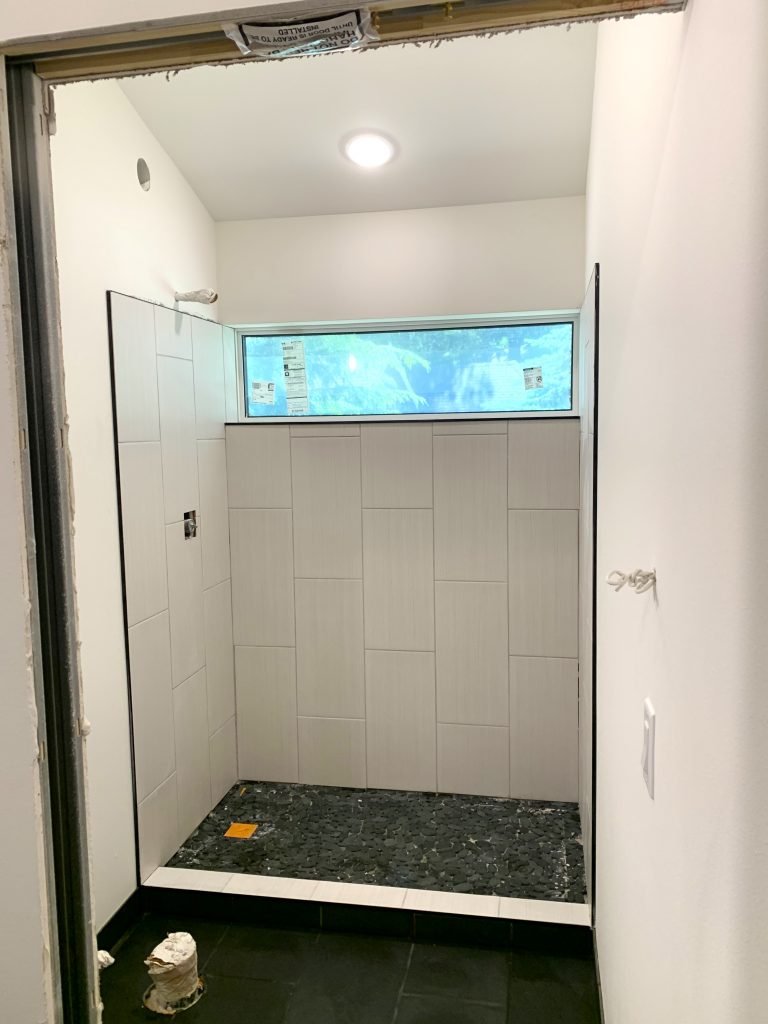
Other home details include, EnergyStar rated appliances, induction cooktop, WaterSense rated plumbing fixtures, zero-threshold shower on main floor, tub/shower combo on lower level, lots of natural daylight, south facing windows, solid bamboo flooring throughout, bright white interior, locally milled raw edge cedar plank on the driveway railing, asphalt roofing, cedar plank entry accent siding, tile entry, tile bathrooms, river rock tile shower floor, exposed beams, vaulted ceilings, heat pump dryer.
If you are interested in purchasing or touring Cascade, please reach out to us to through the “Contact Us” page on our website or keep watch for our Redfin/Zillow/Trulia ad which will release in the next couple of weeks!
** Update 7/21/22 : This just in! Cascade is up on the market! Check out the Redfin ad HERE to book your tour today! **
At TC Legend Homes, we have dedicated ourselves to pursing the vision of zero-energy homes for all. We strive to be pioneers in energy efficiency, seeking to create a healthy and clean carbon neutral future that allows the next generation to thrive. Our history of excellence in reducing or eliminating the operational emissions of our homes speaks for itself. Through extensive energy efficiency measures, quality craftsmanship, and a combination of passive solar design and rooftop photovoltaic, we have created a building model that allows us to make our affordable, zero-energy home vision a reality. Over the past 7 years, we have built more than 20 homes and ADU’s that are zero energy ready at a minimum with more than 12 of the 20 being net positive homes. Now it is time for TC Legend to expand our focus to address the other element of emissions in buildings, the embodied carbon.
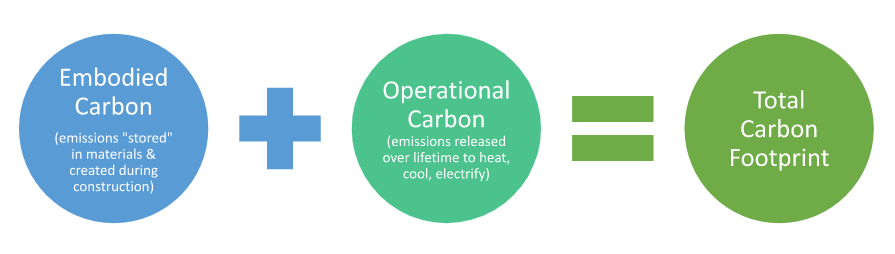
The carbon footprint of any building is comprised of two elements: the commonly focused upon operational carbon and the less commonly addressed embodied carbon. Since our building model has successfully addressed the operational aspect of this footprint, we are now expanding our focus to addressing the embodied component while still maintaining excellence within the operational emissions.
What is Embodied Carbon and Why does it Matter?
You might ask, “What exactly is embodied carbon and why do we care about it?” Simply put, embodied carbon is the upfront “carbon footprint” of a product. For buildings, you can think of it as the emissions that are produced to create the parts of the building, encompassing all emissions that occur before it is functioning as a home. This includes all emissions from material production and those produced during construction. In contrast the operational carbon of a home is the emissions released to heat, cool, and electrify the home over its lifetime.
Figure 1: Carbon Foot Print Formula
Since embodied carbon emissions are “stored” in the home before it is operating, the embodied carbon sets the baseline for the total footprint of the home. Even if a house is exceptionally efficient, producing little to no operational emissions, the total carbon footprint of the house is not zero because of the upfront emissions. This is why embodied carbon matters. If we solely focus on operational carbon and the future emissions of the home, we do not consider the significant portion of emissions being released NOW. And, according to the 2022 Intergovernmental Panel on Climate Change (IPCC) report, drastically reducing emissions now is what will have the greatest impact on avoiding the most severe elements of climate disaster. For years, scientists have warned of the catastrophic results to the climate and environment if the world reaches an average temperature of 1.5-2° C above prehistoric levels. The 2022 IPCC report notes that we are on a trajectory to reach the 1.5° C in the next two decades, highlighting the only way to stop this impending disaster is to focus on emission on the today-10 year timeline. Since the majority of building emissions occurring in the first 10-15 years of a highly efficient or zero-energy home are embodied emissions, these need to be our focus moving forward. While we do not want to give up operational efficiency, we need to focus on reducing the embodied carbon emissions that are produced now, and work to reduce the overall emissions of our buildings.
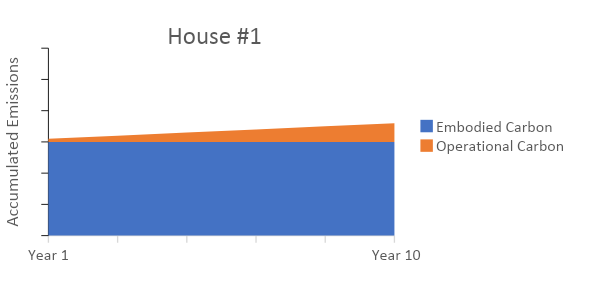
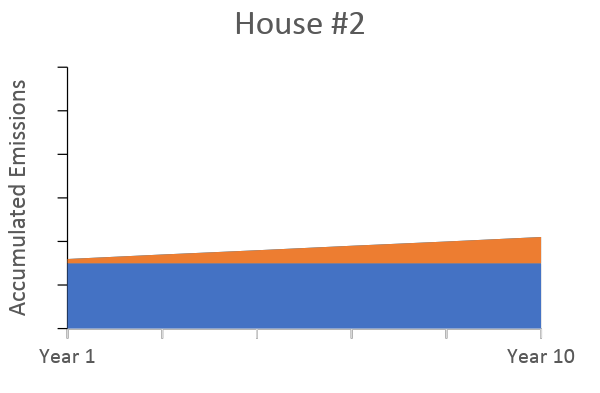
The below graphs illustrate how a reduction in the embodied carbon has a significant impact on the total emissions of a home on the ten year time horizon, given that the majority of emissions on this time scale are from embodied carbon. House #1 and House #2 demonstrate two houses with the same design, producing similar operational emissions. However, if we are careful in selecting materials with lower embodied carbon, we can see a significant difference in the total emissions of a house, as demonstrated by the house #2 graph. These two graphs illustrate a high efficiency home designed without a focus on embodied carbon (house #1) vs one where there is attention given to reducing embodied carbon (house #2).
Figure 2: Total Emissions of a Home on the Ten Year Time Horizon
Our Objective
As a company that strives to create a healthy future for all, it is our responsibility to do our part in the next 10 years. By expanding our focus to better address our homes “now” emissions through modeling and decreasing our embodied carbon, we are working to be part of the necessary change. Tackling the biggest issues and working to refine our model to achieve excellence in both areas of home emissions is our newest goal, and one we hope that through education of the public and adjustment without our own building model, we can help lead the building industry in the right direction.
We will share additional posts on the topic of embodied carbon with more details on what embodied carbon is, how its calculated, and how we are making changes in the coming weeks so stay tuned!



Recent Comments