Massey

Massey

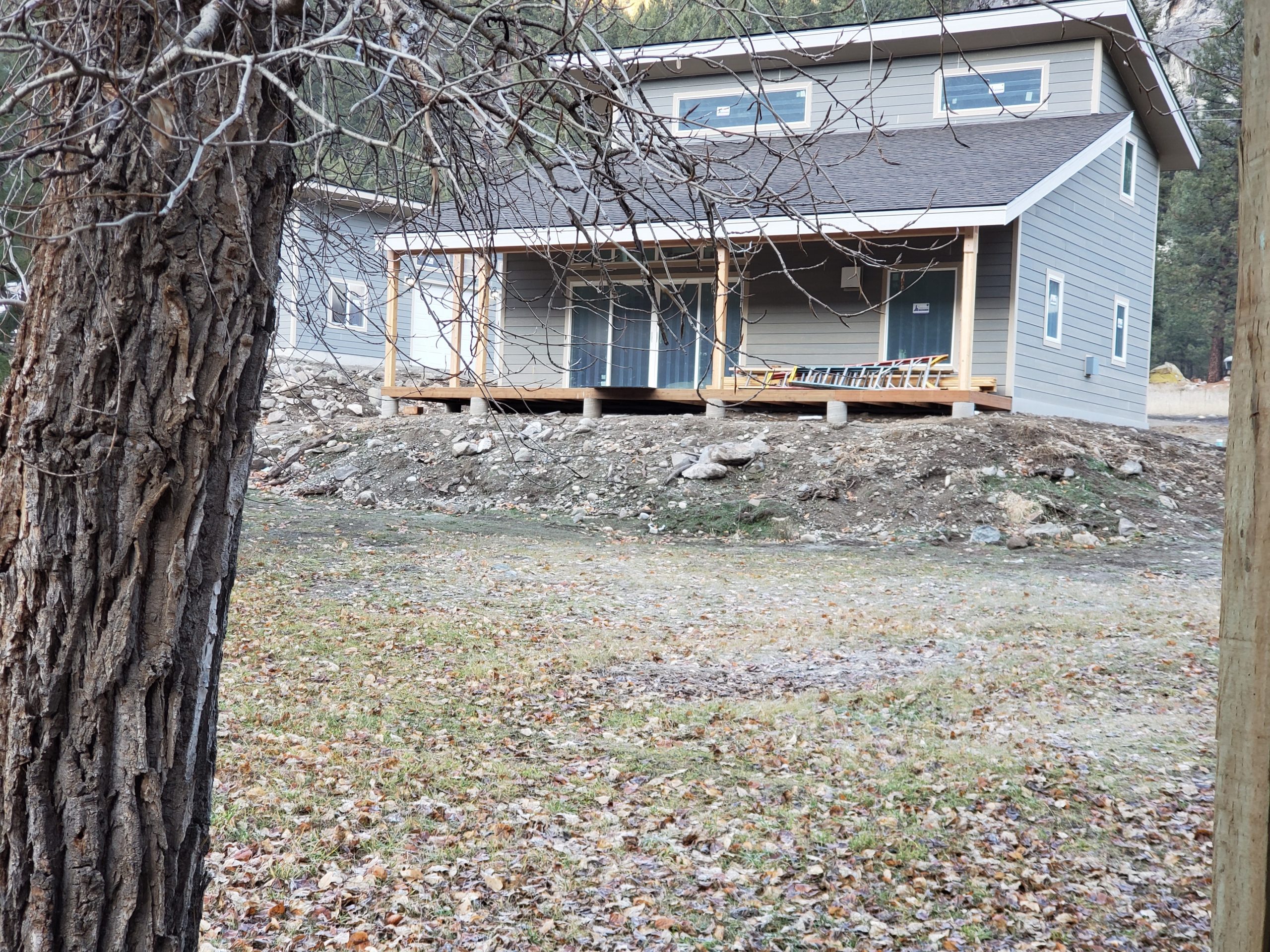
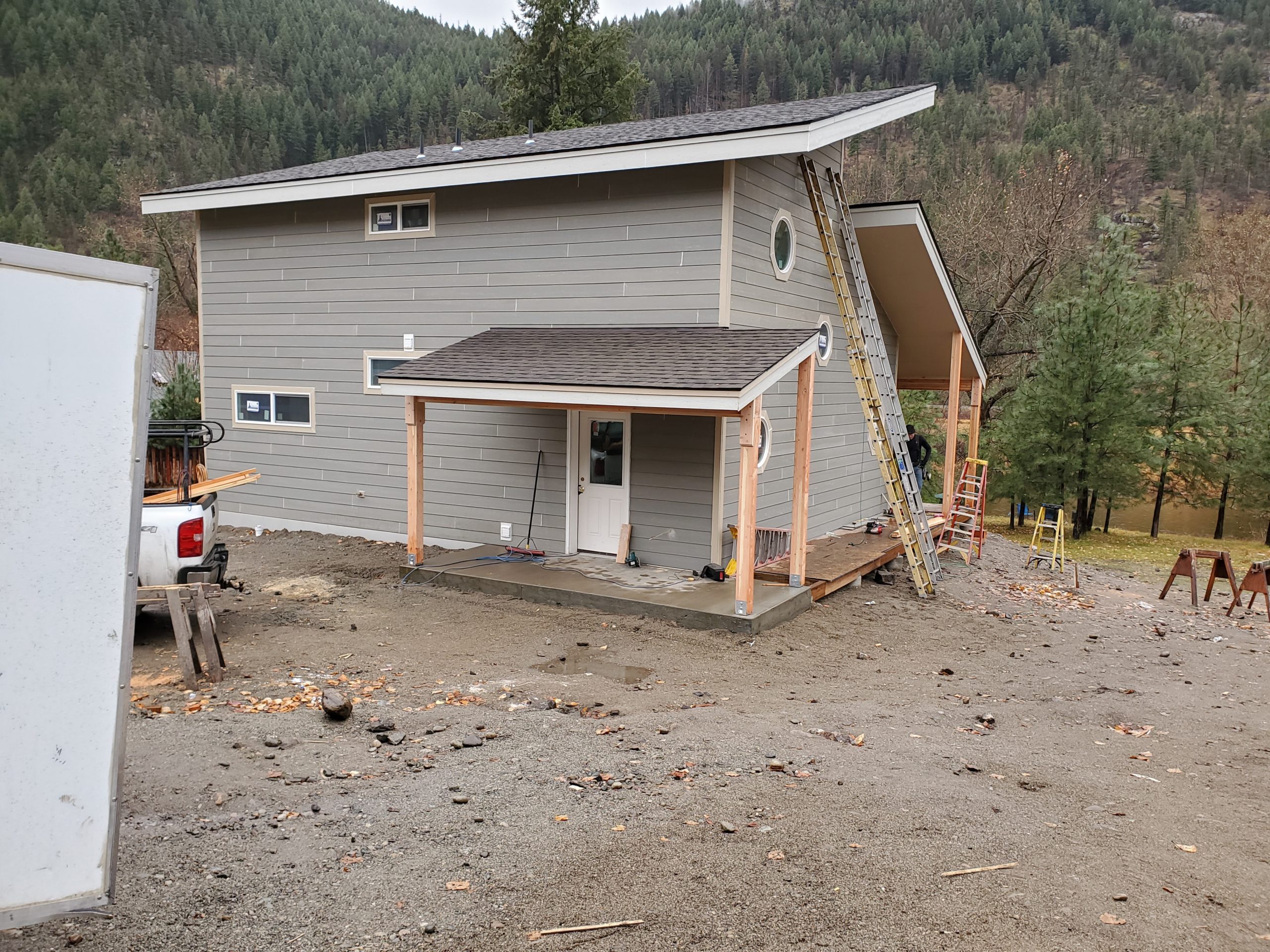
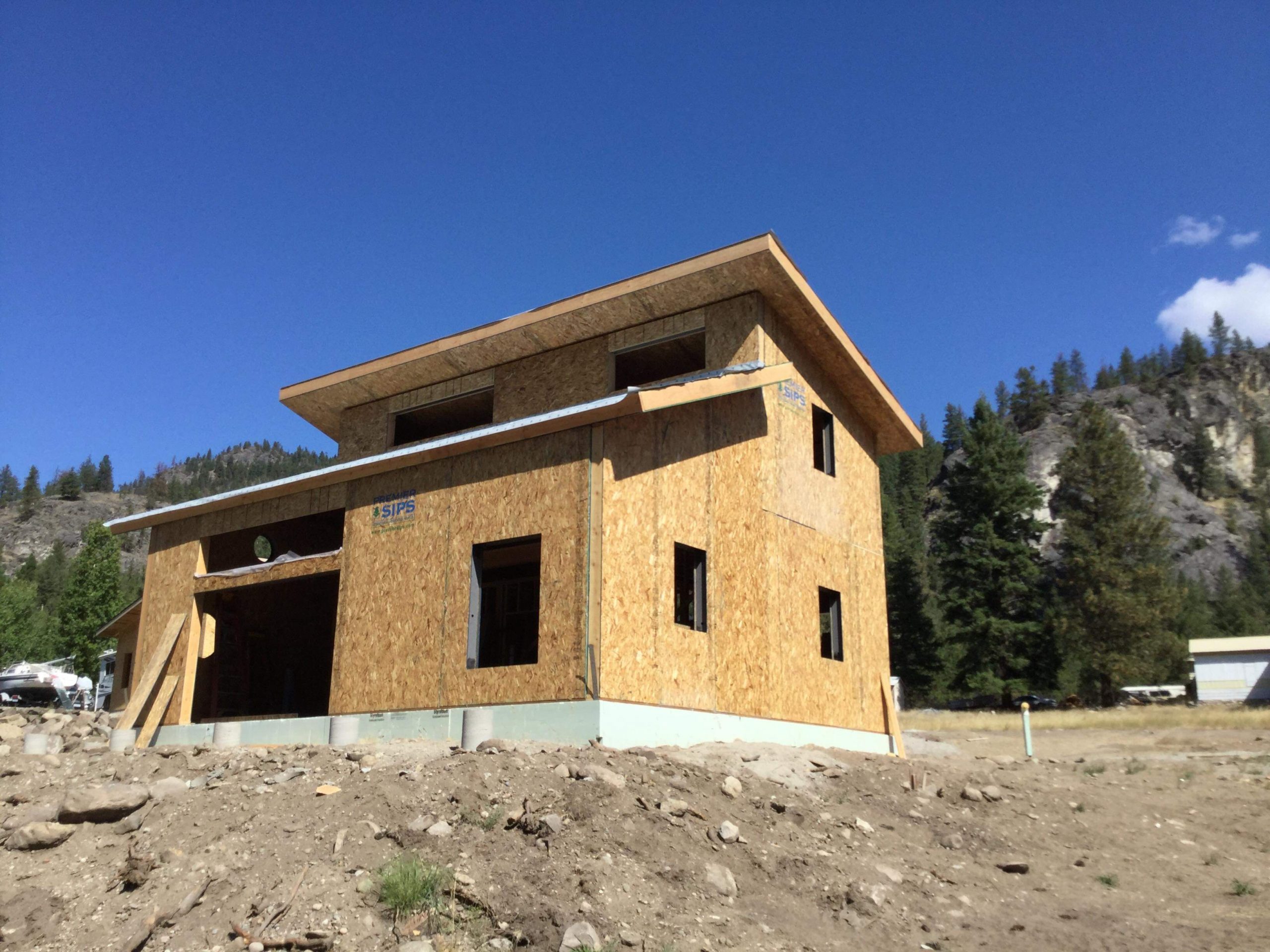
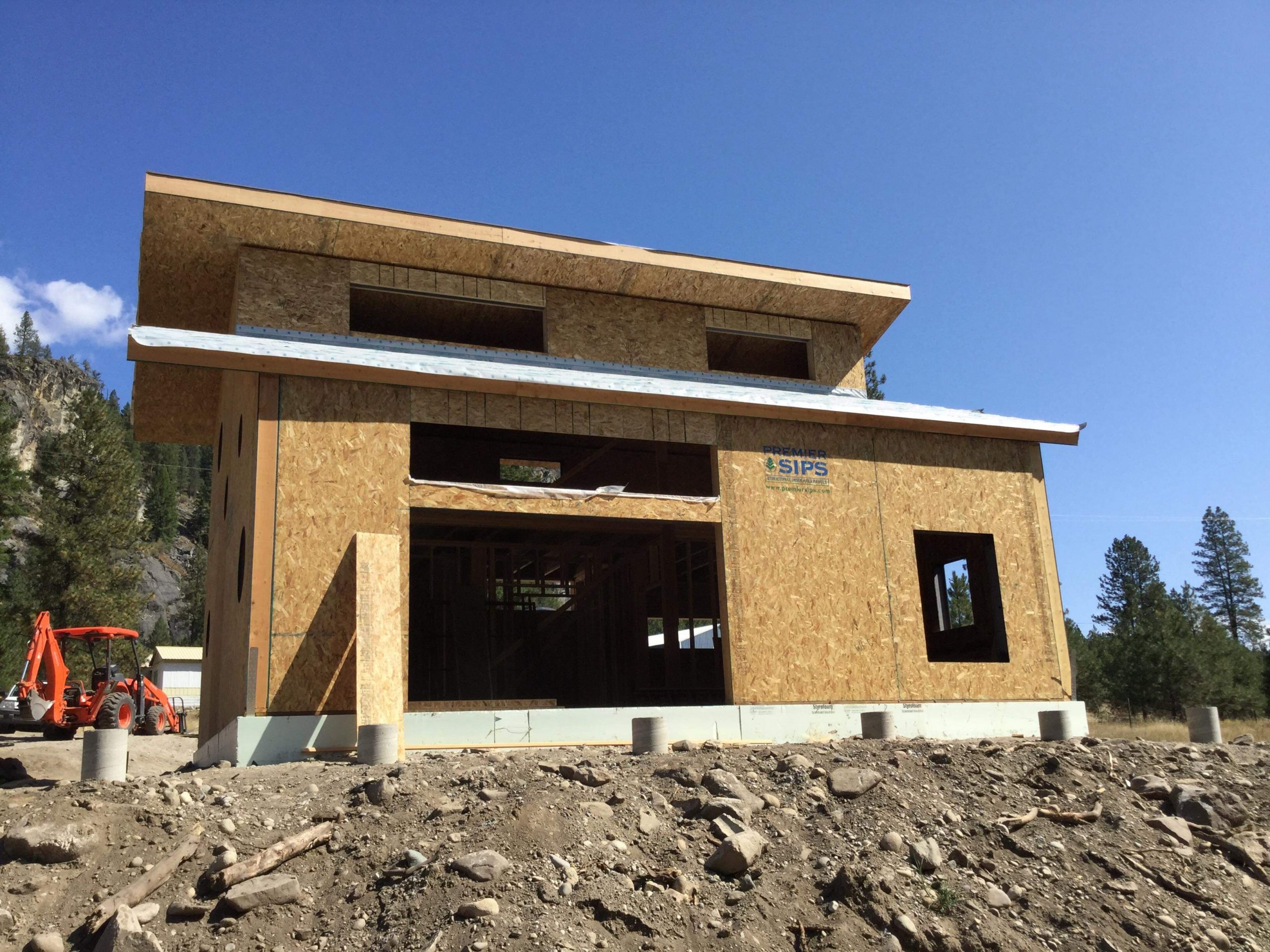
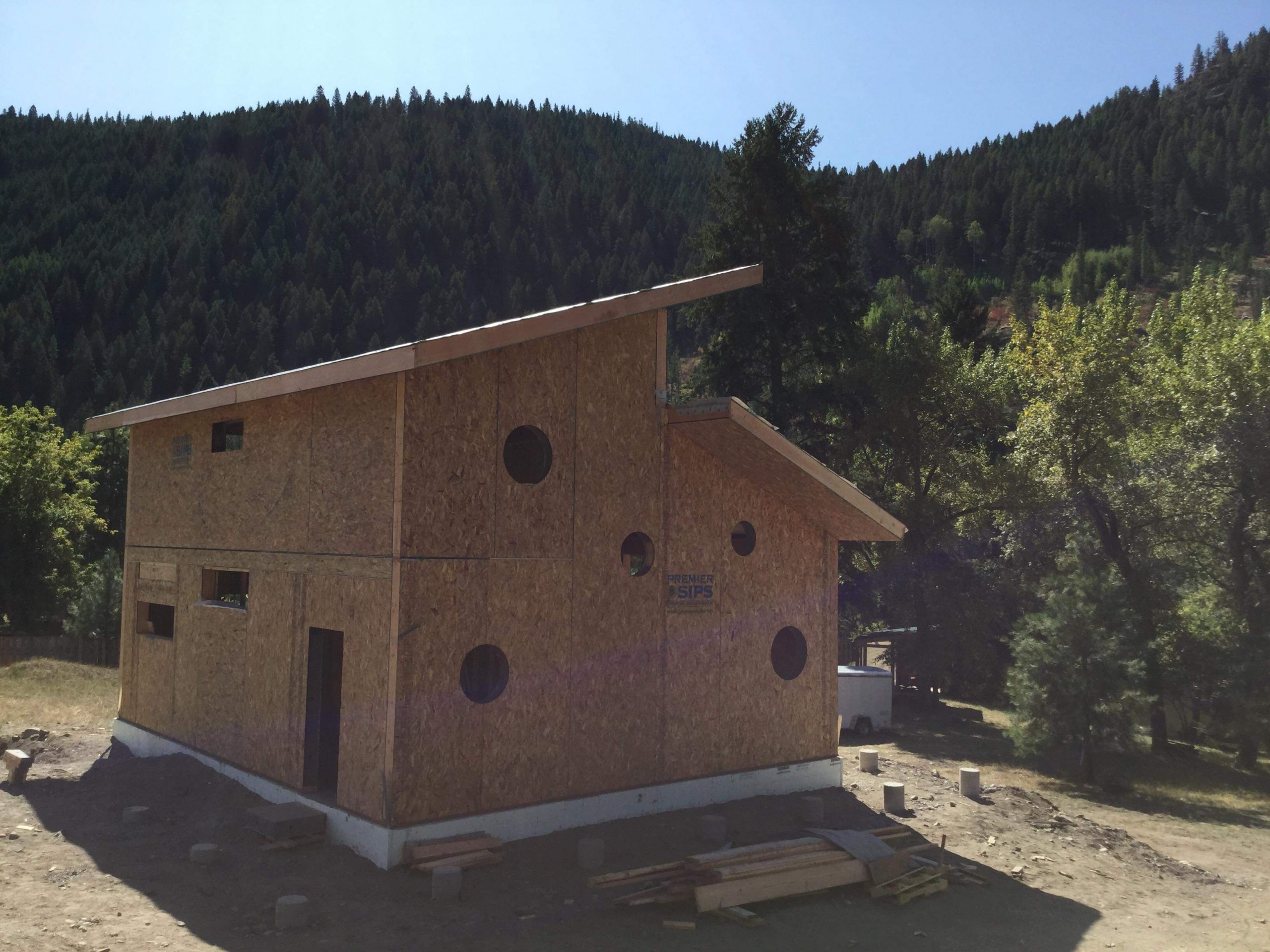
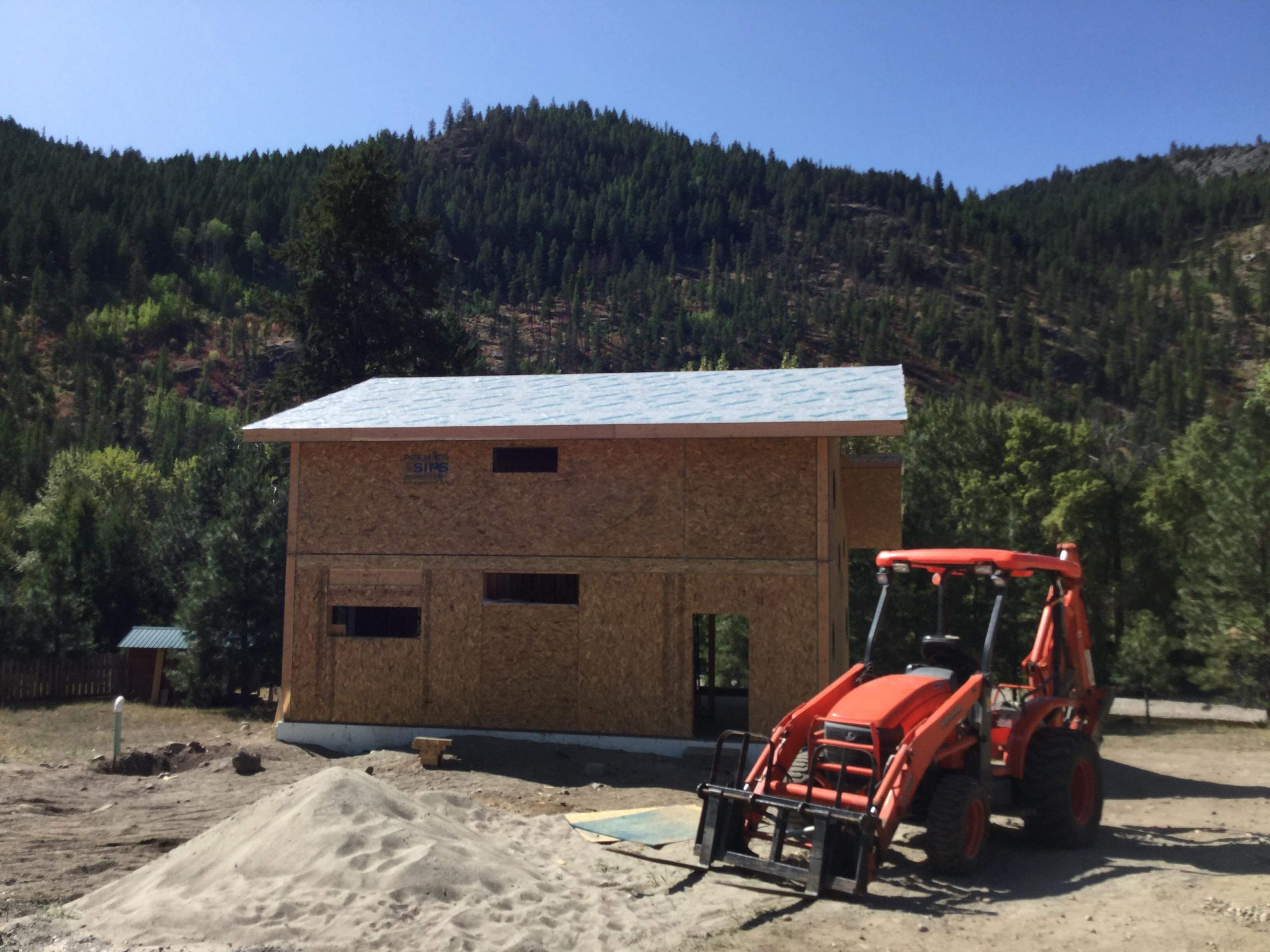
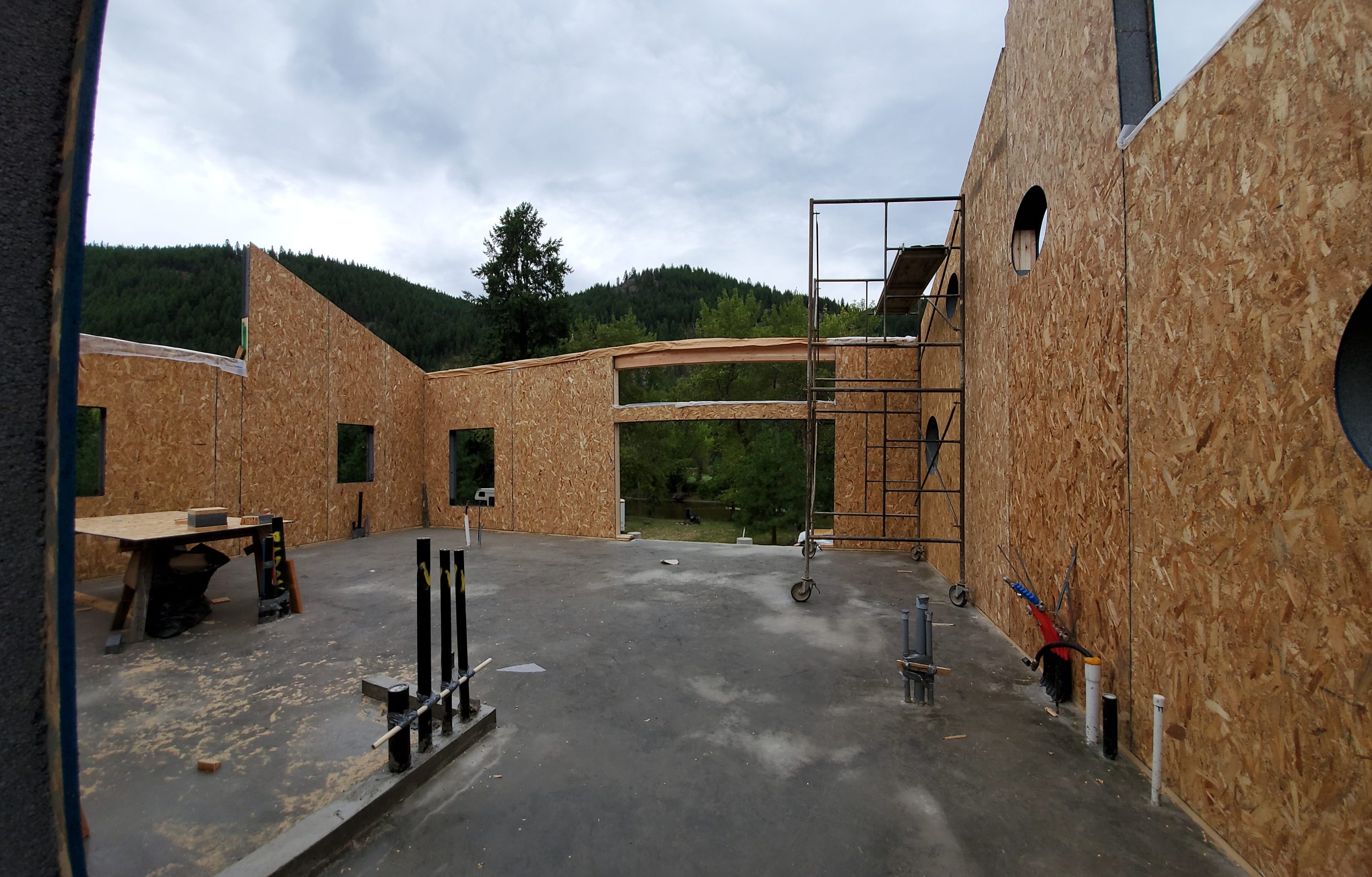
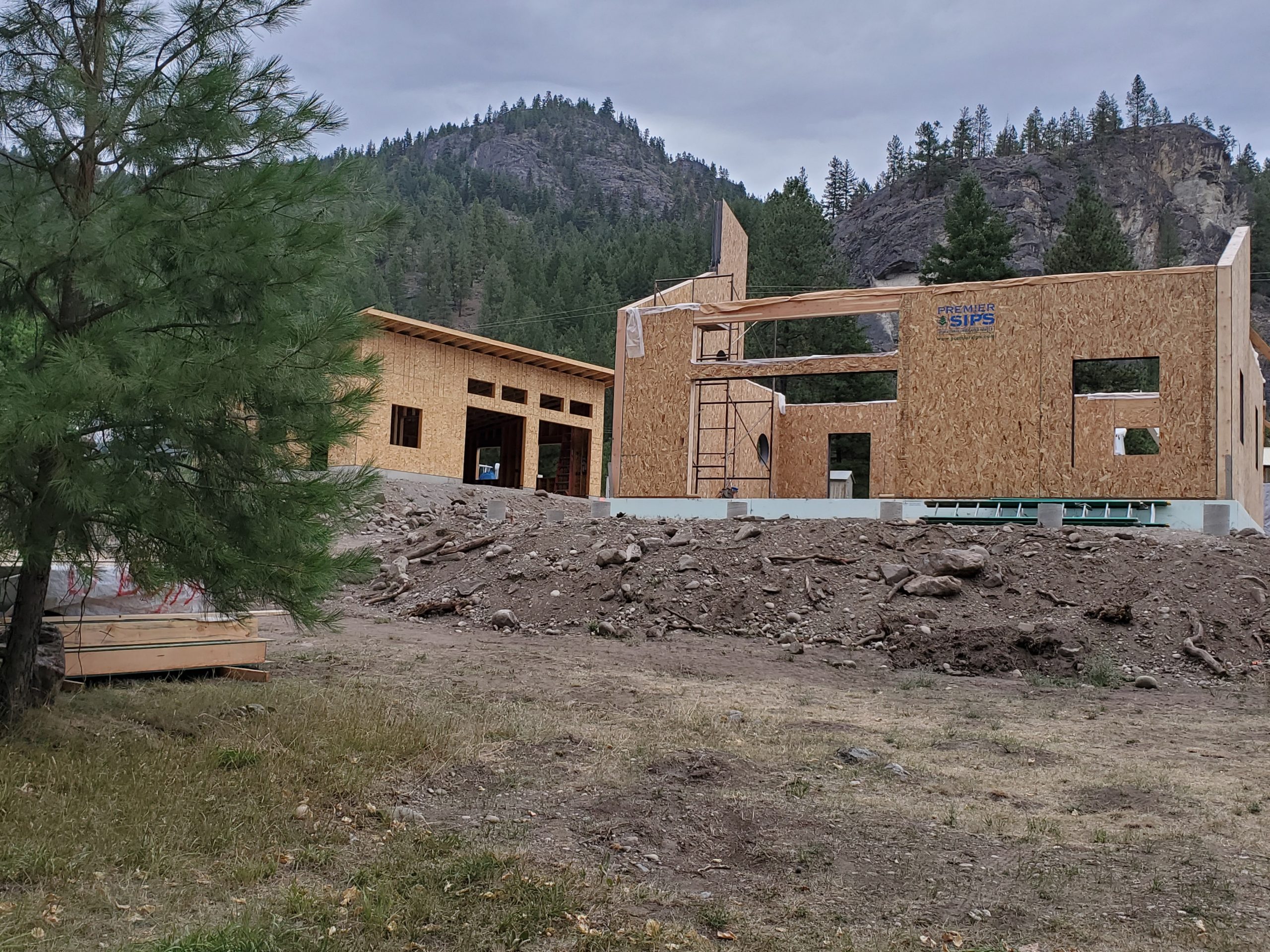
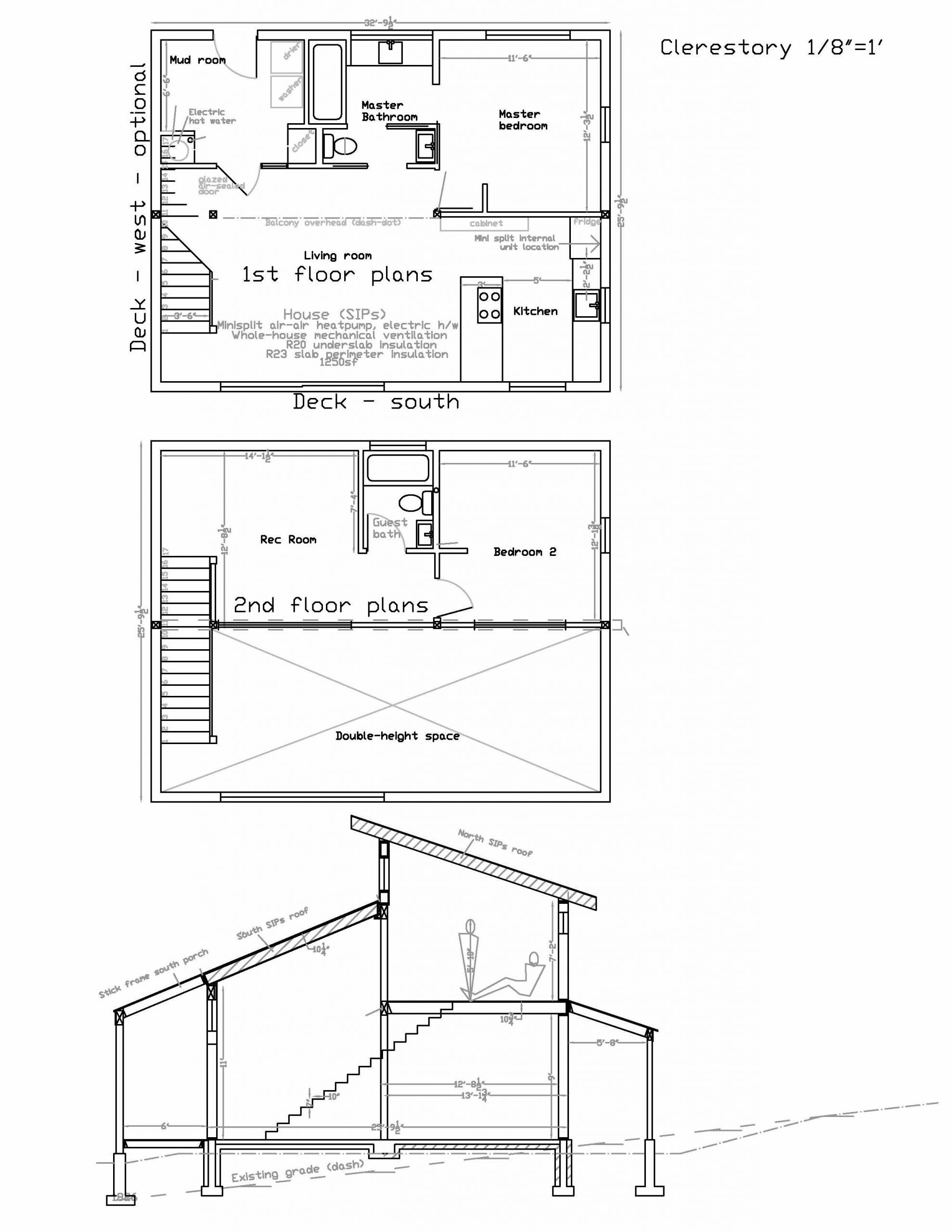
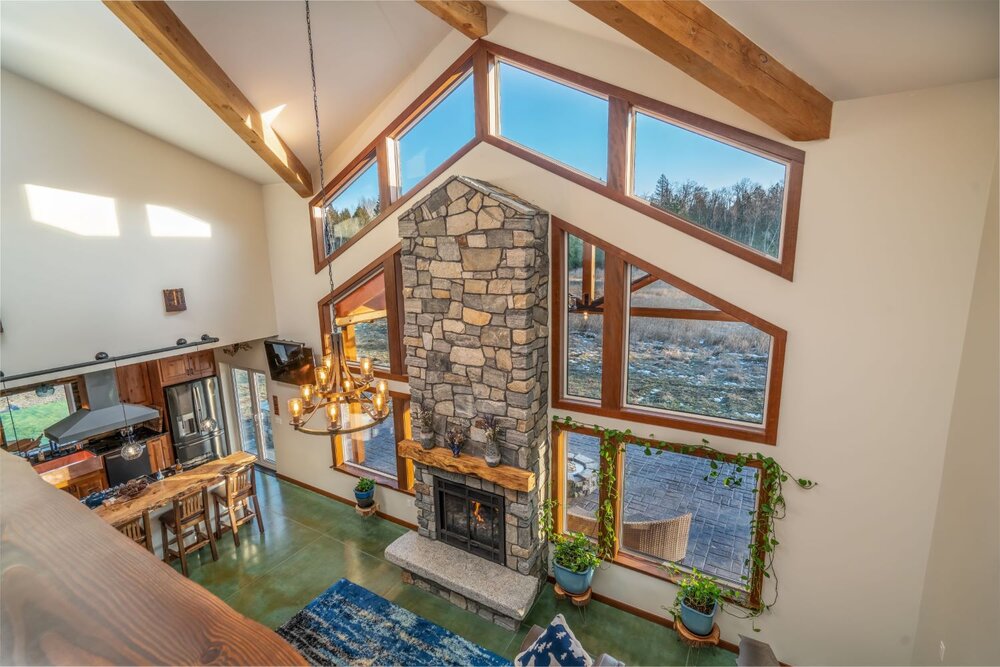
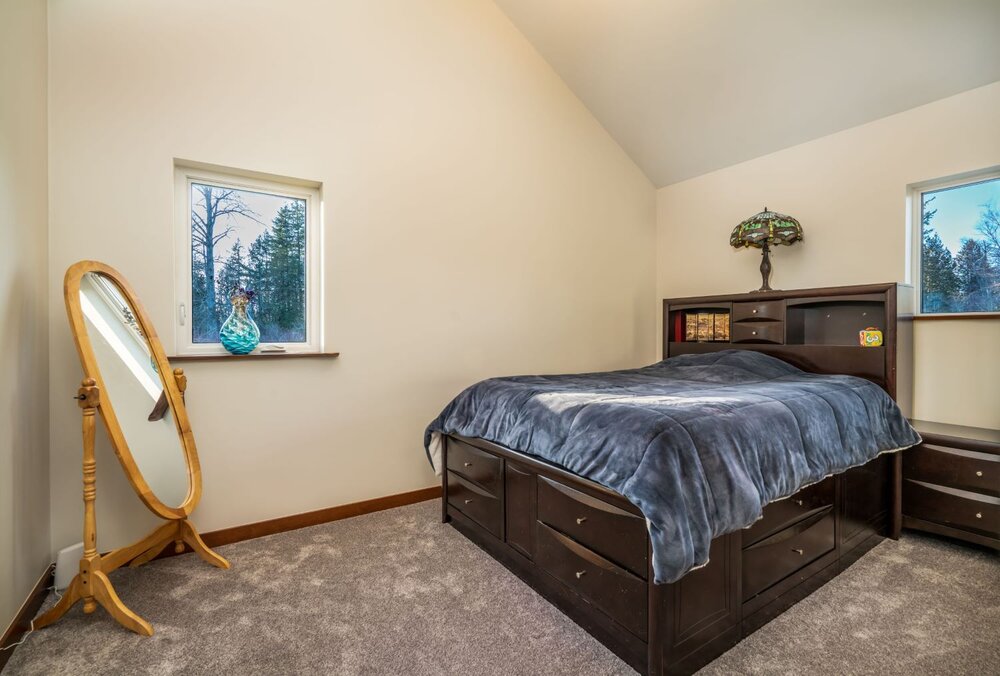
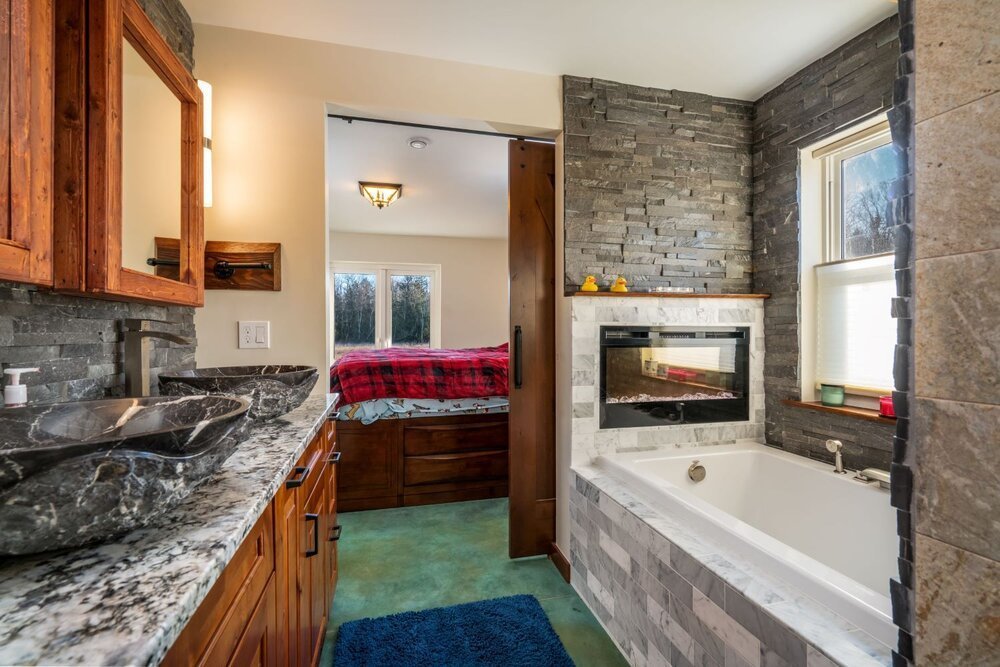
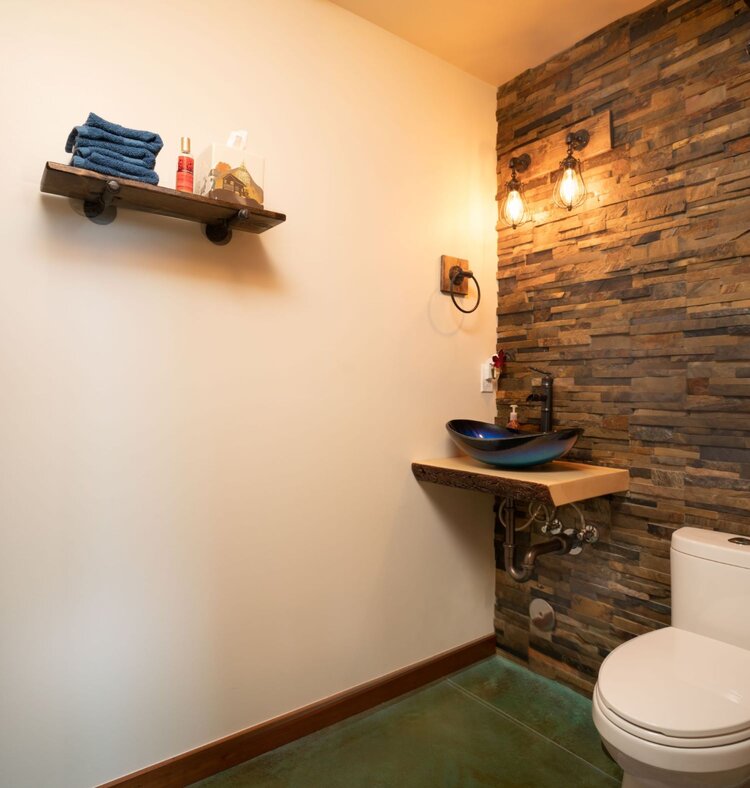
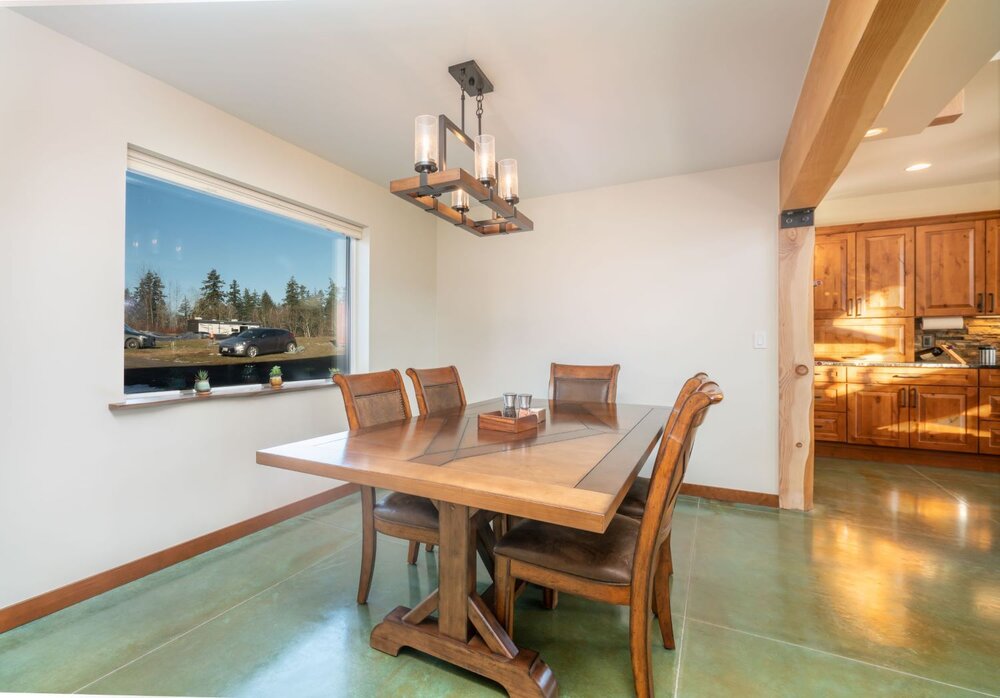
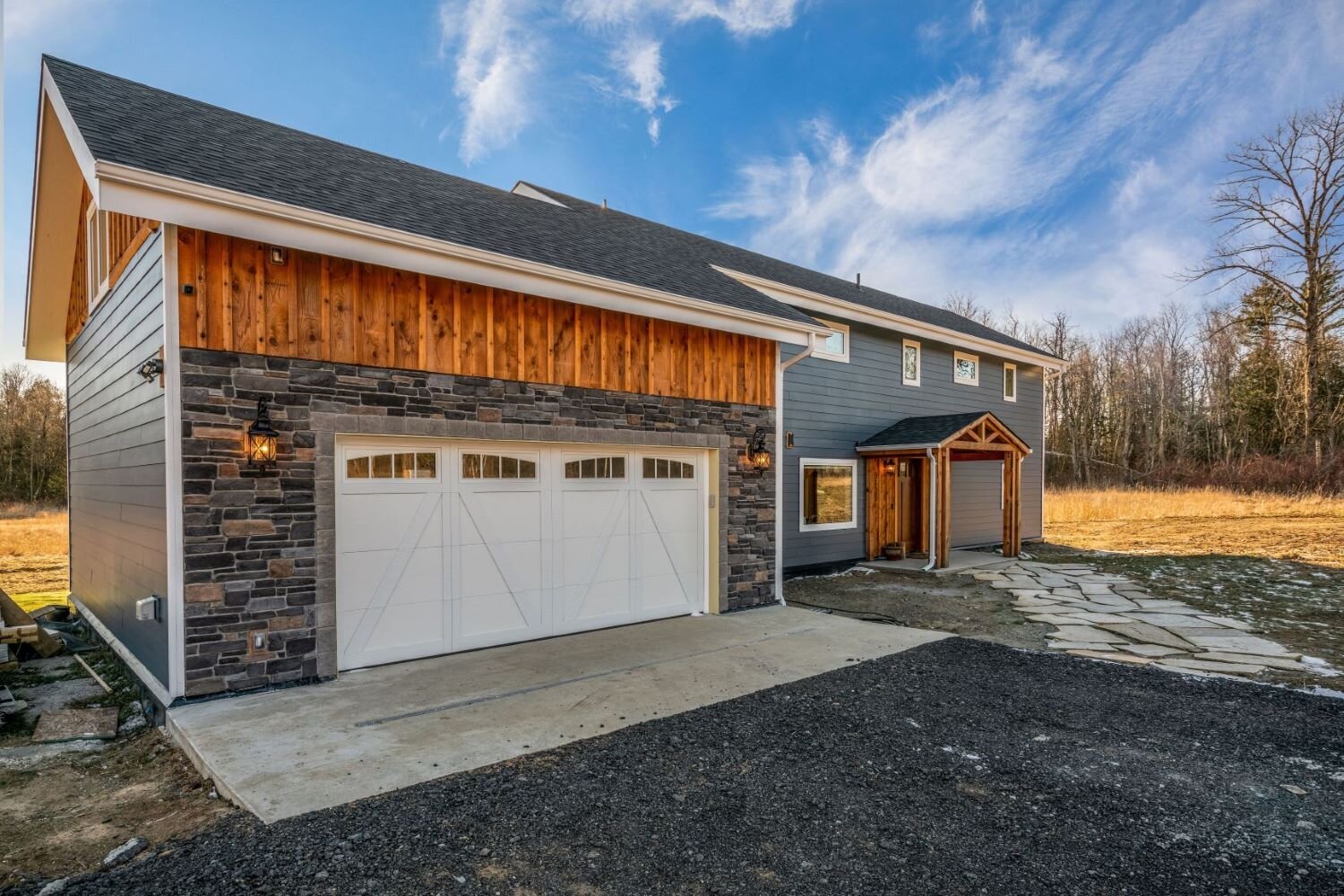
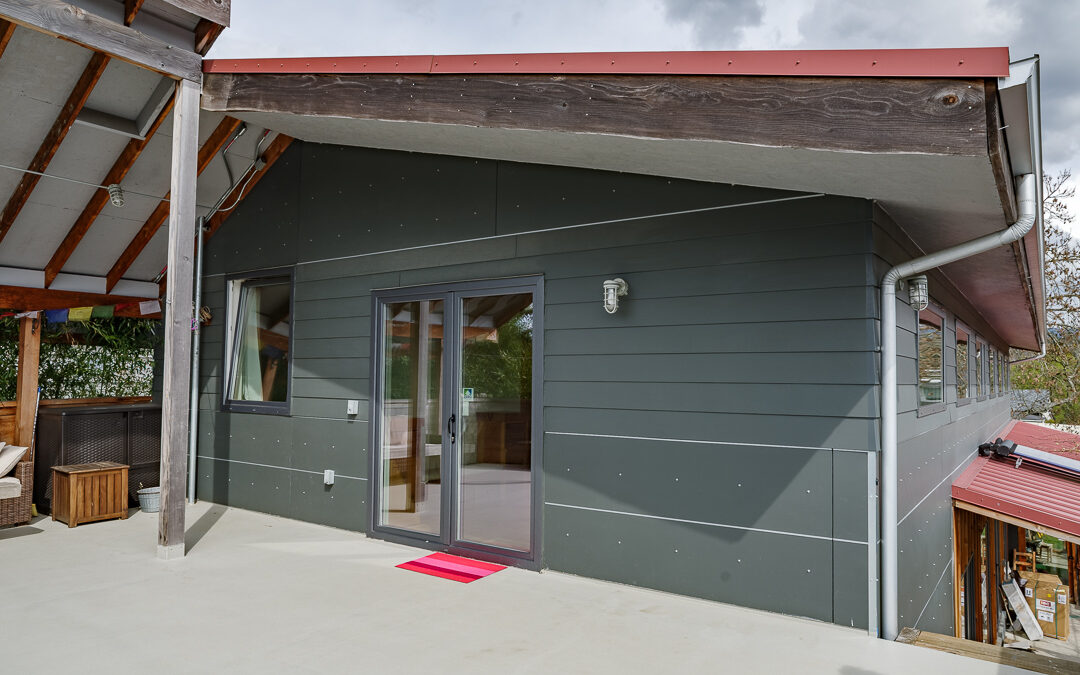
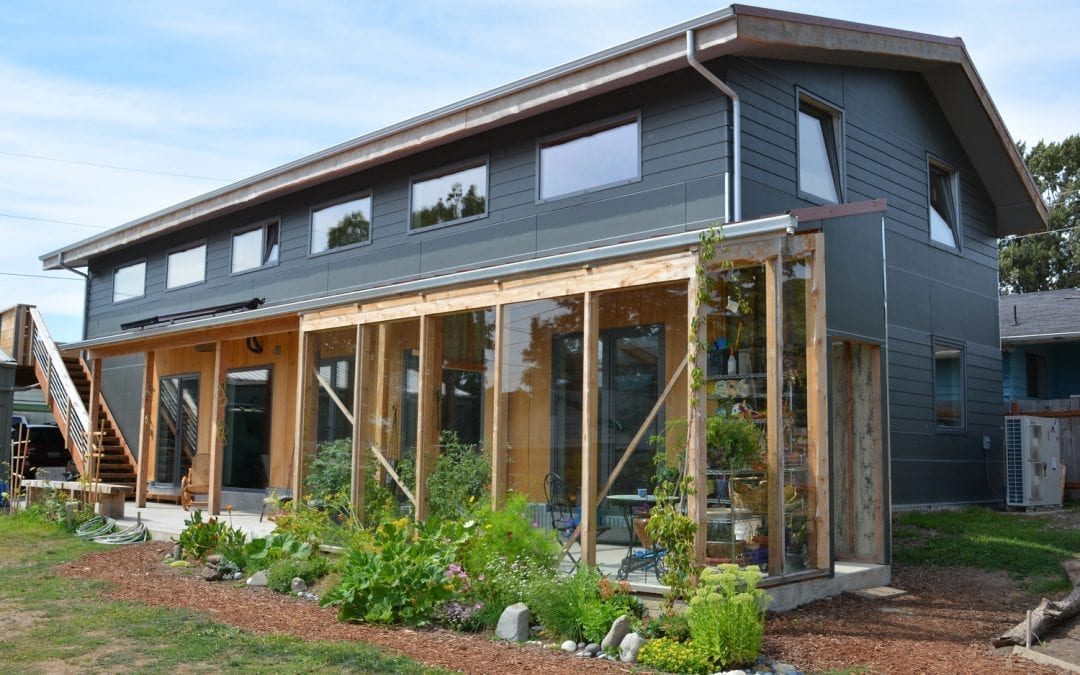
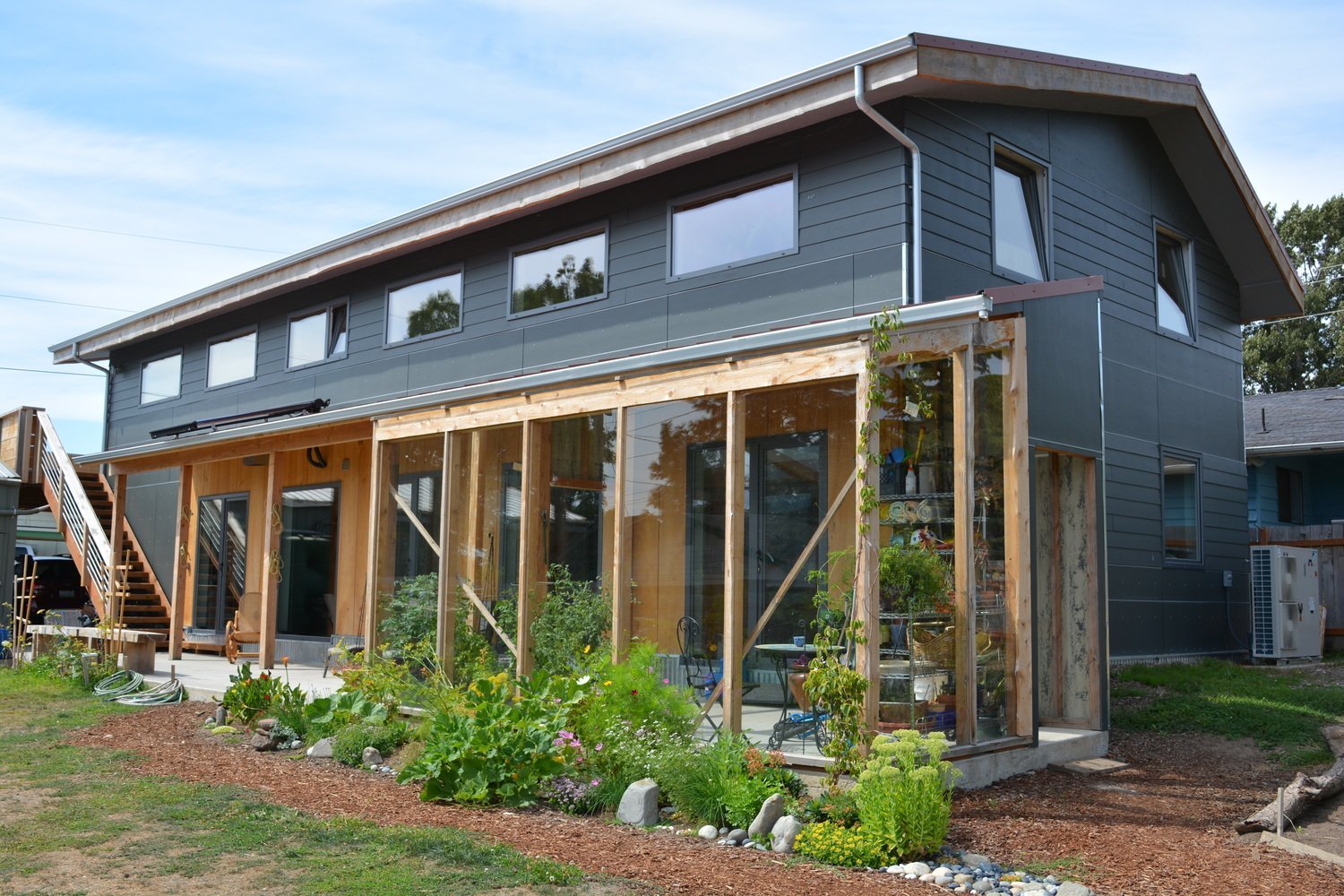
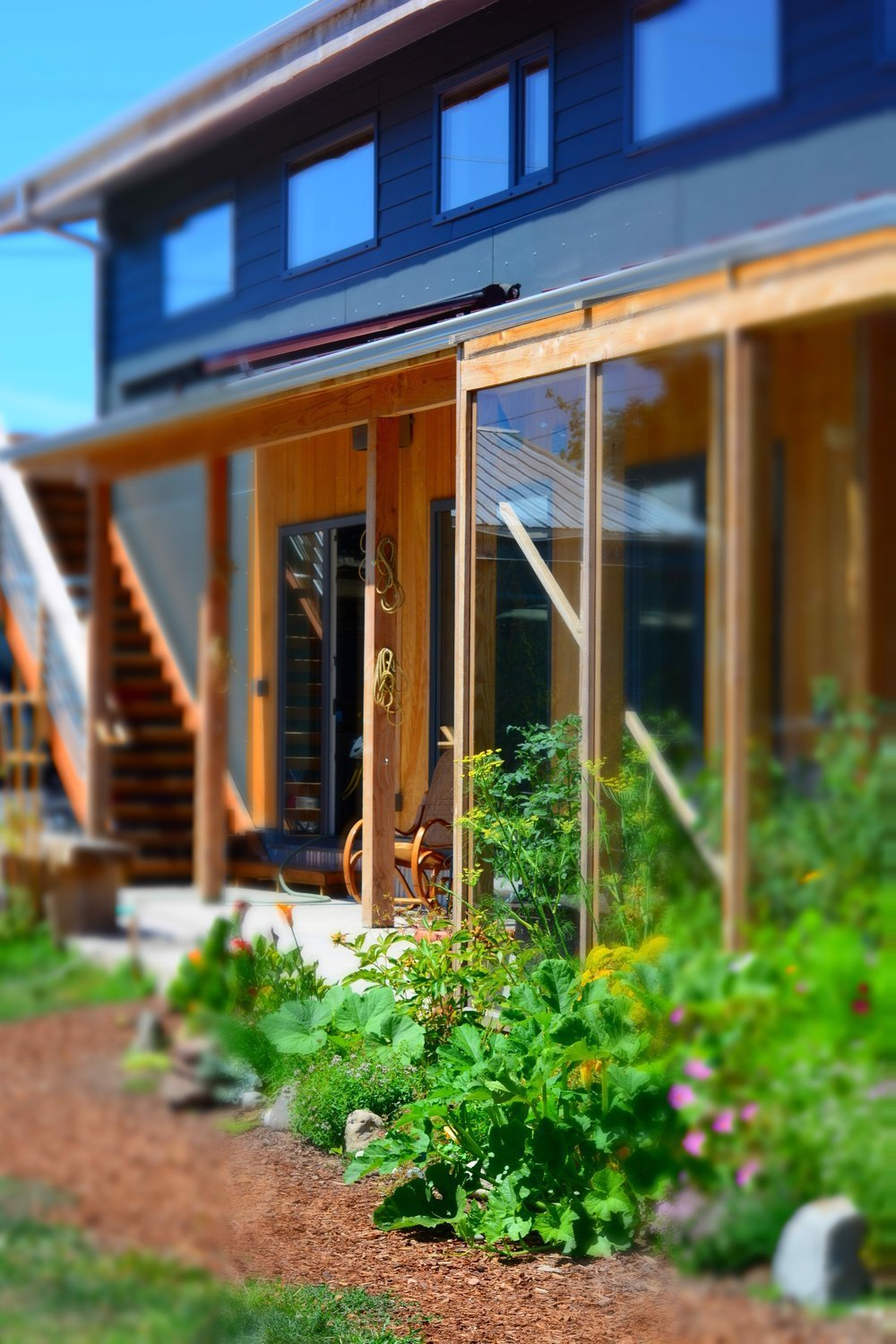
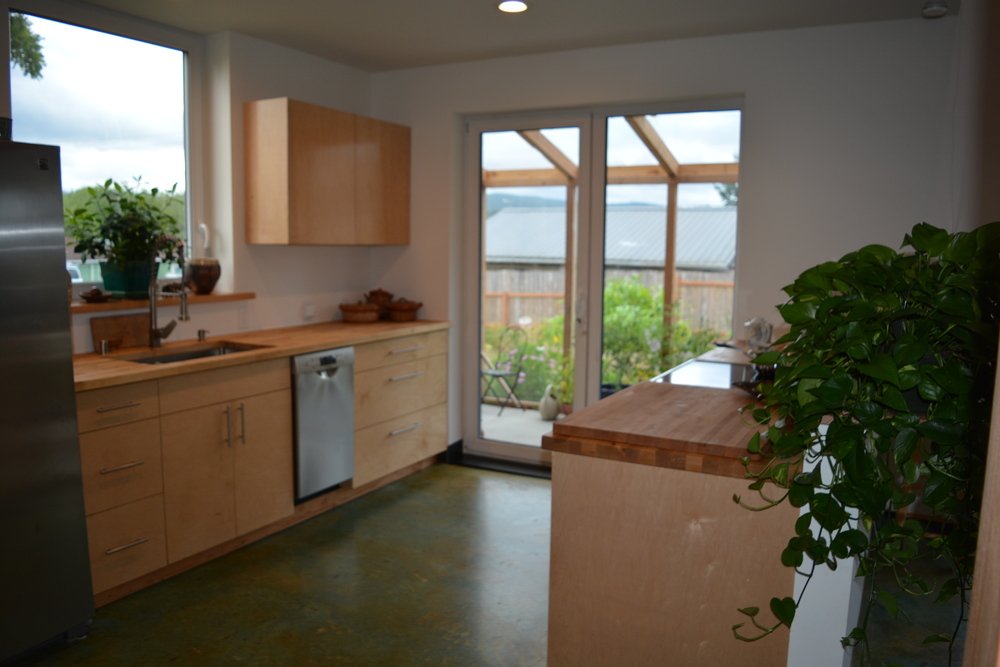
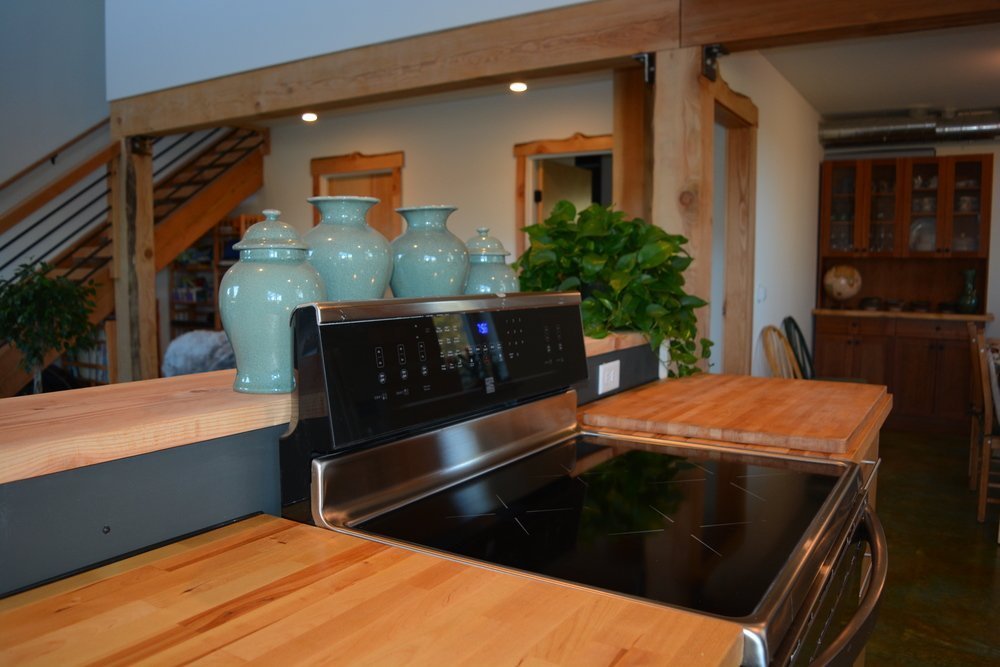
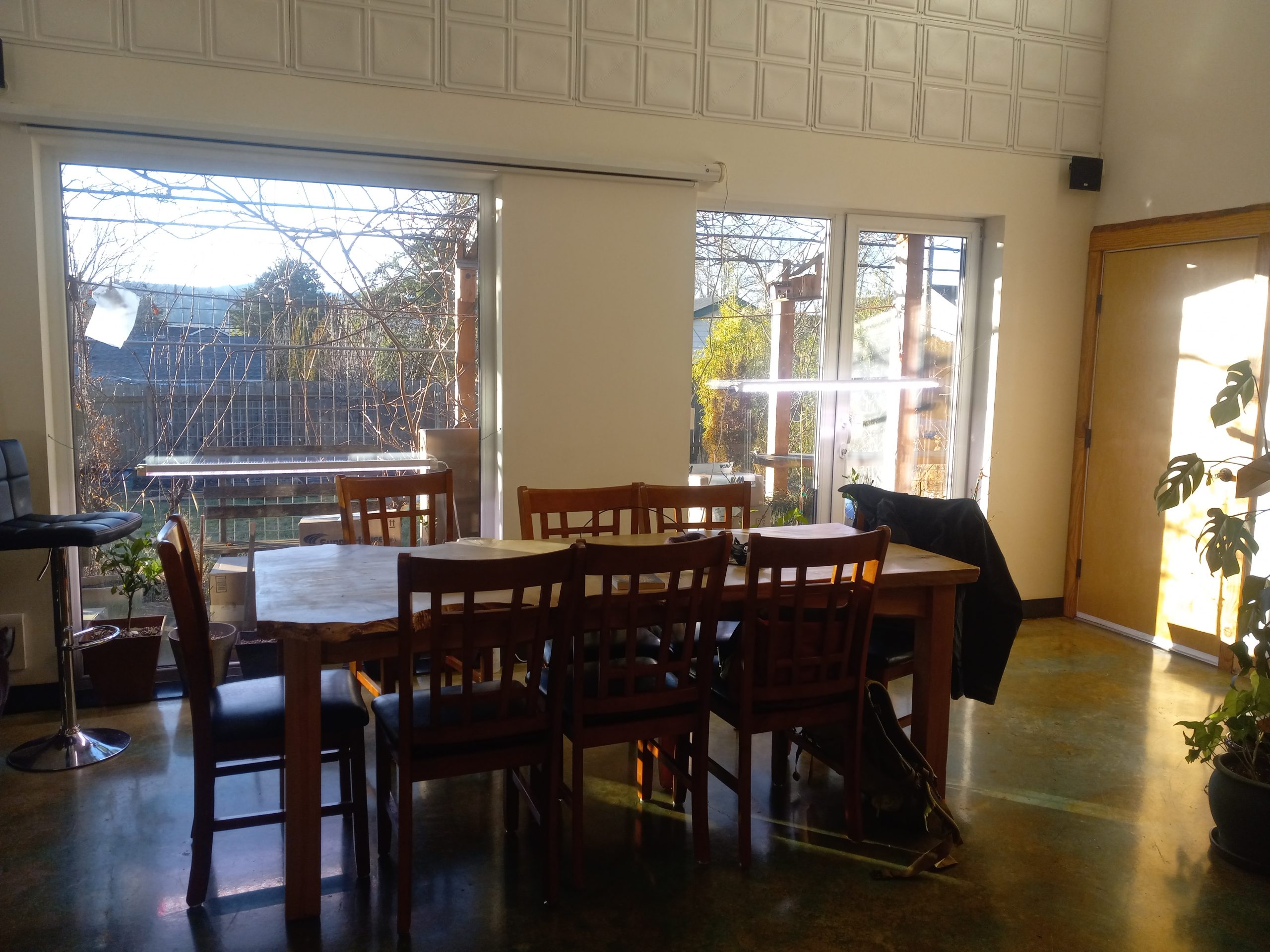
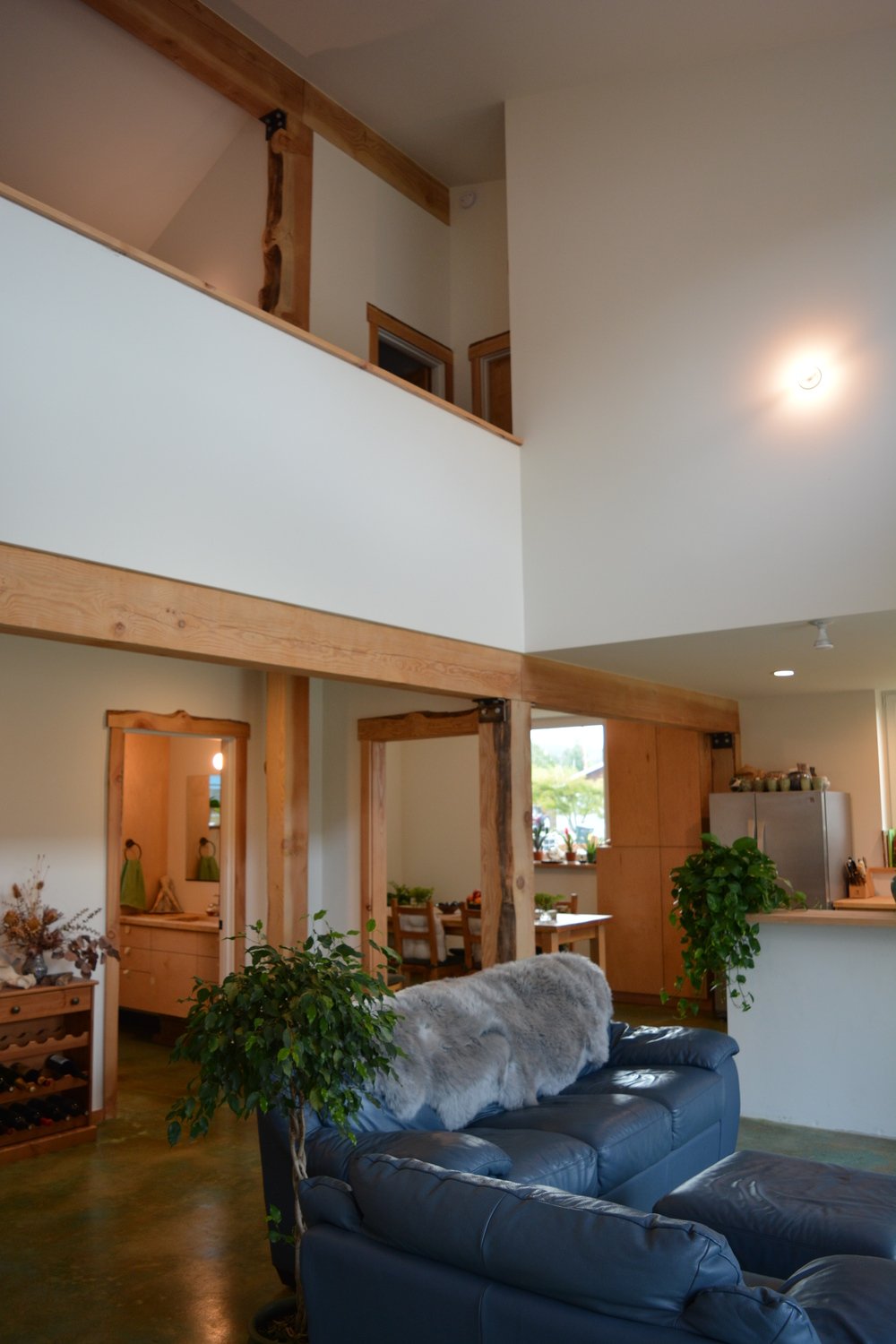
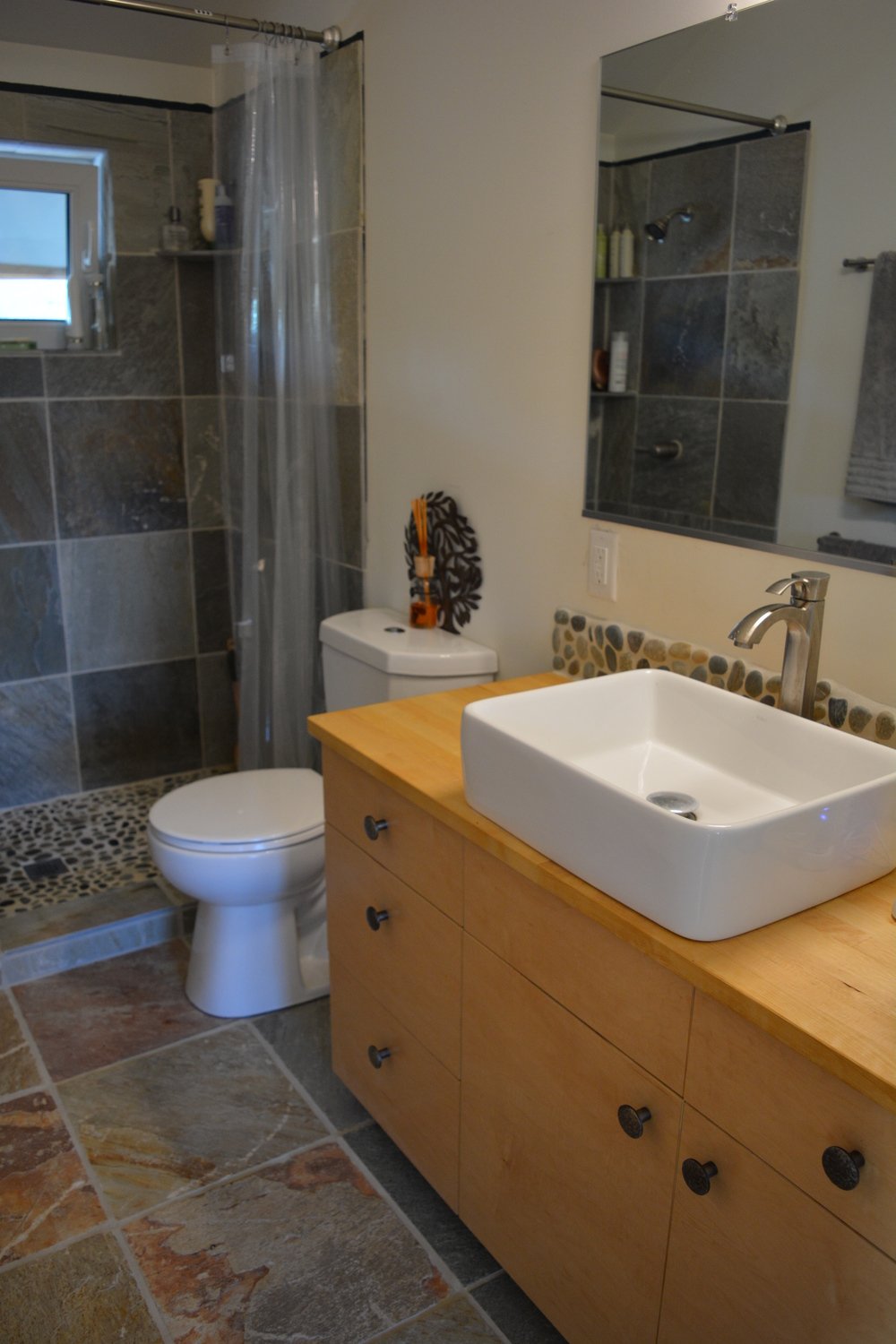
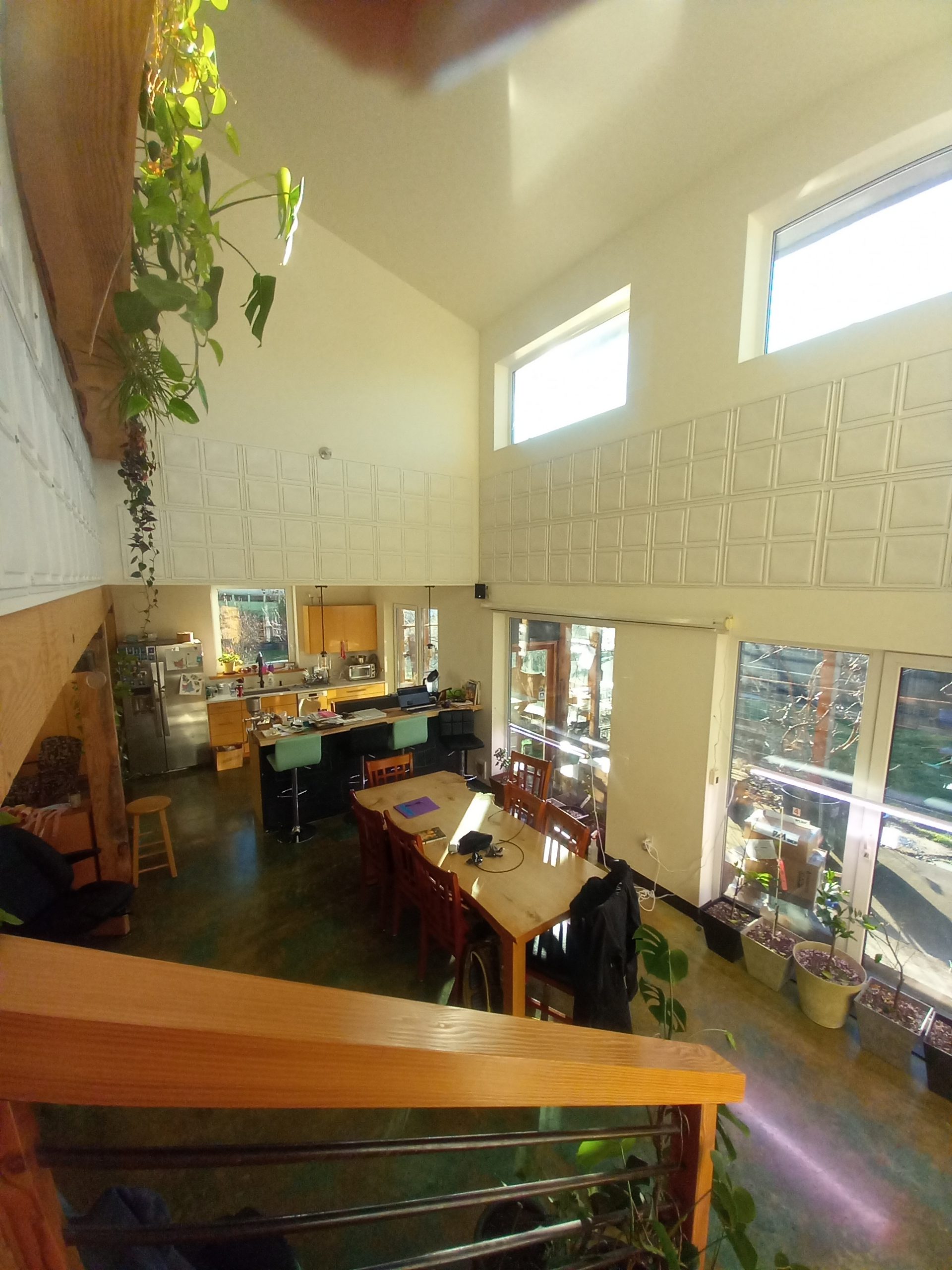
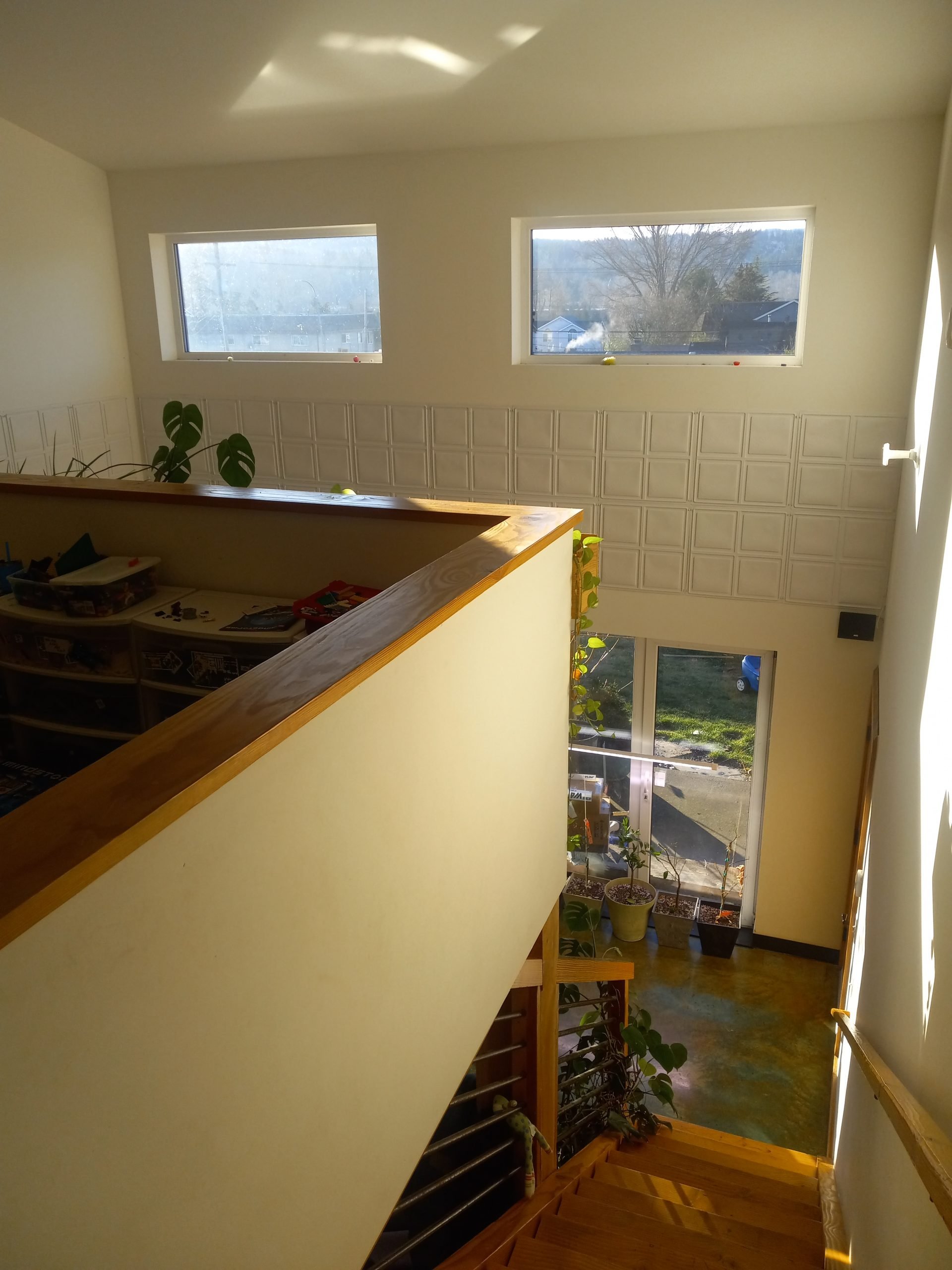
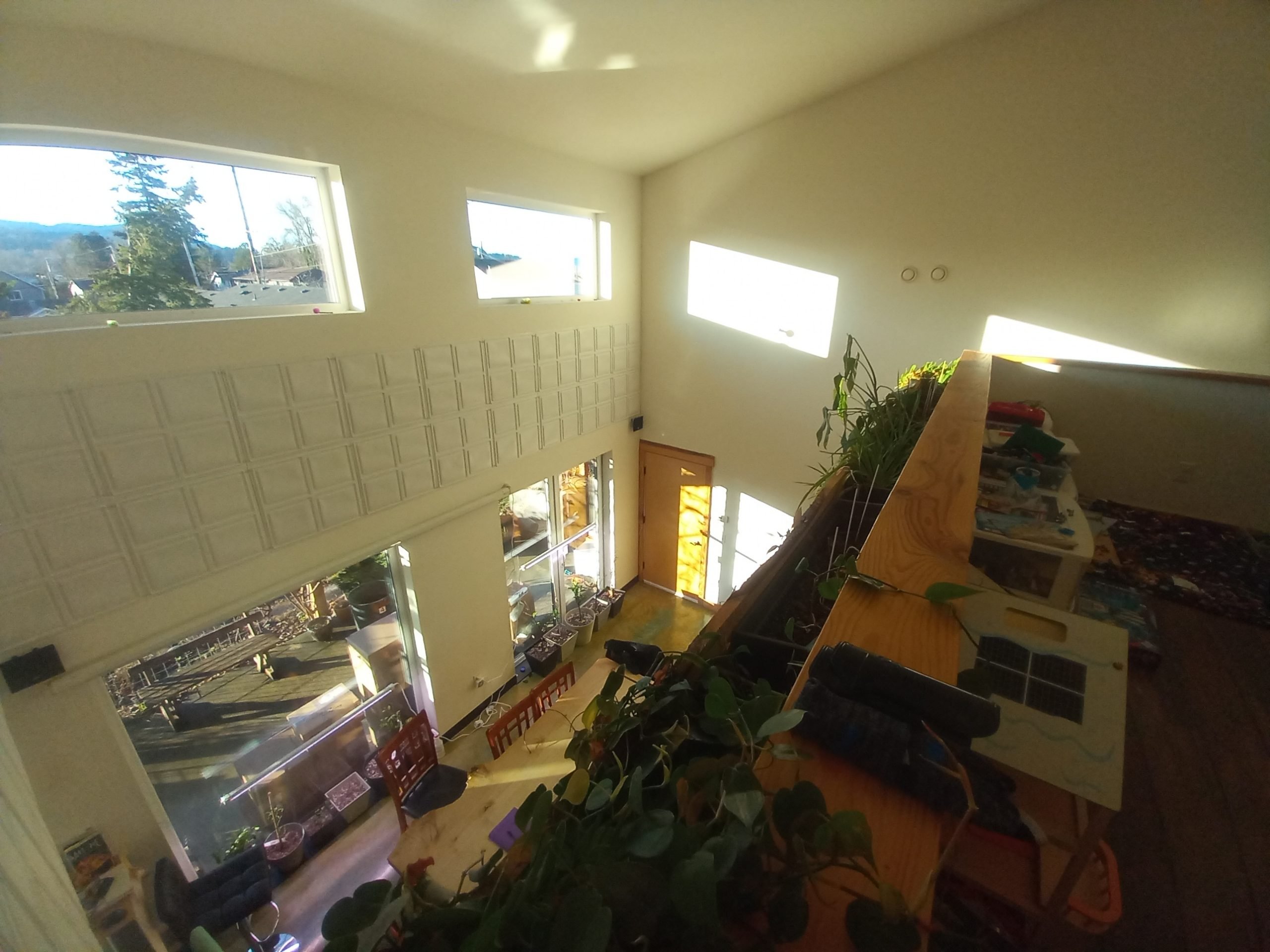
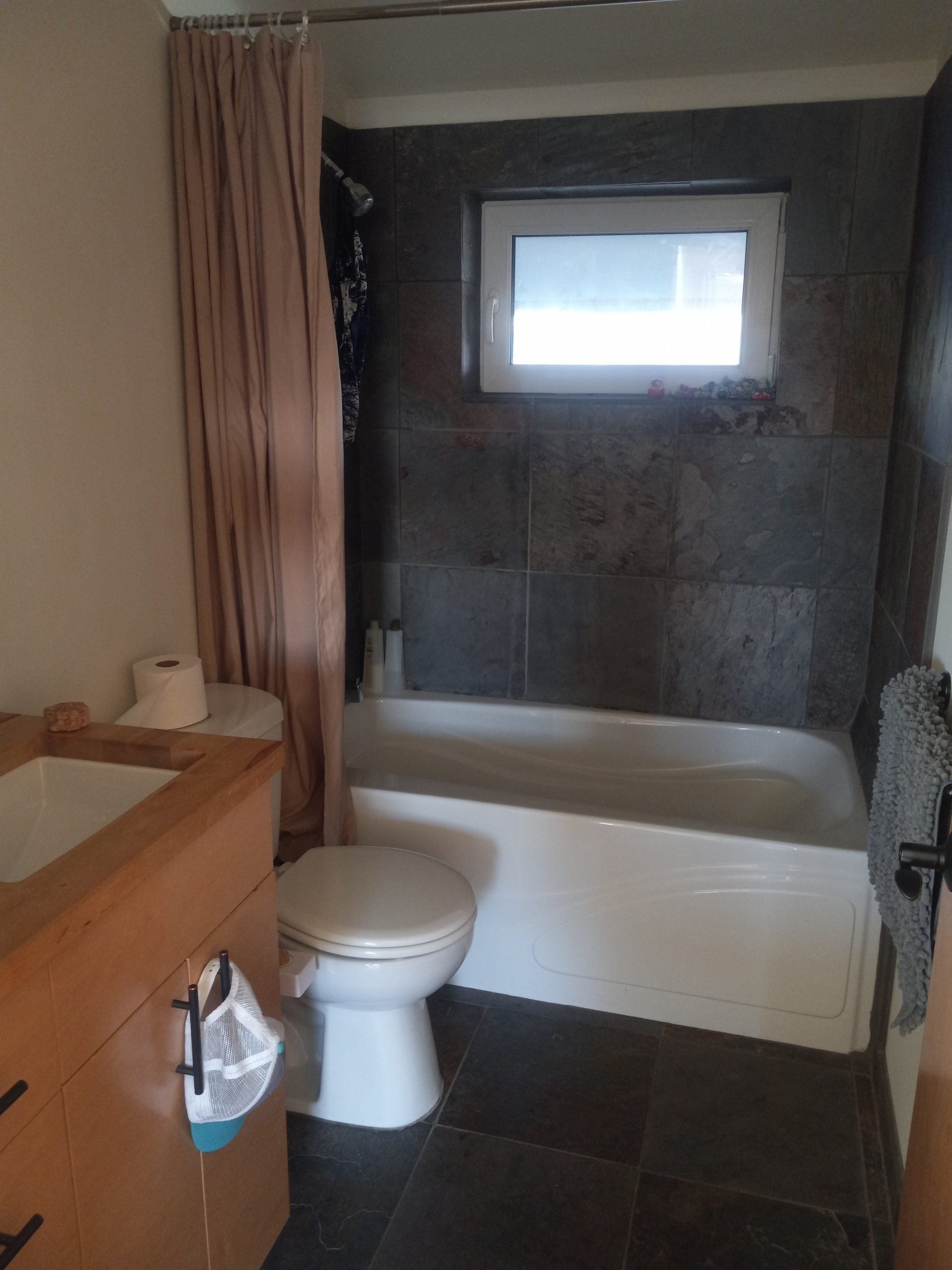
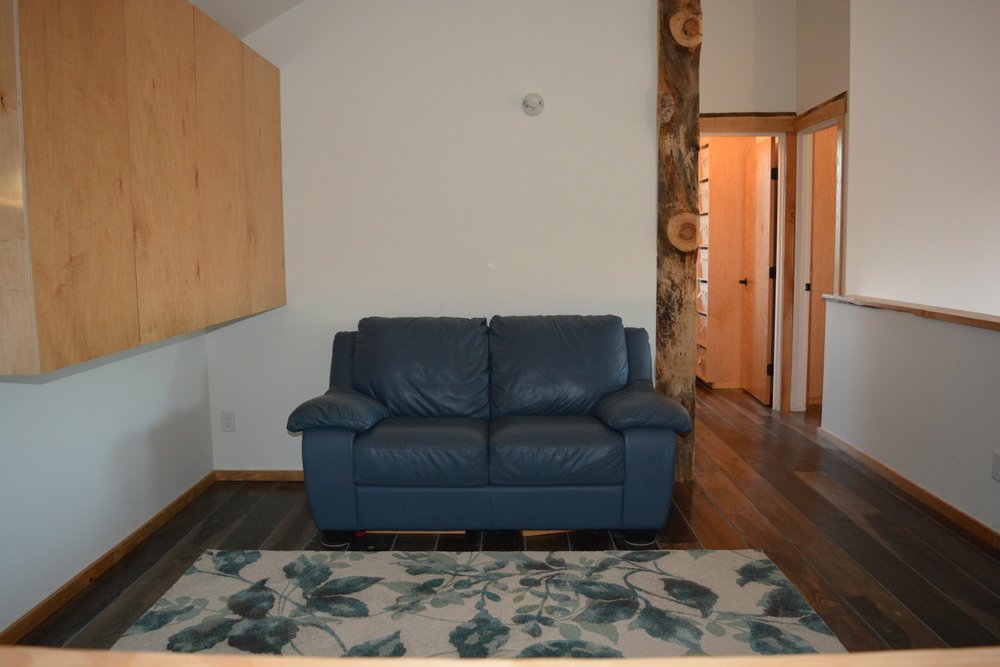
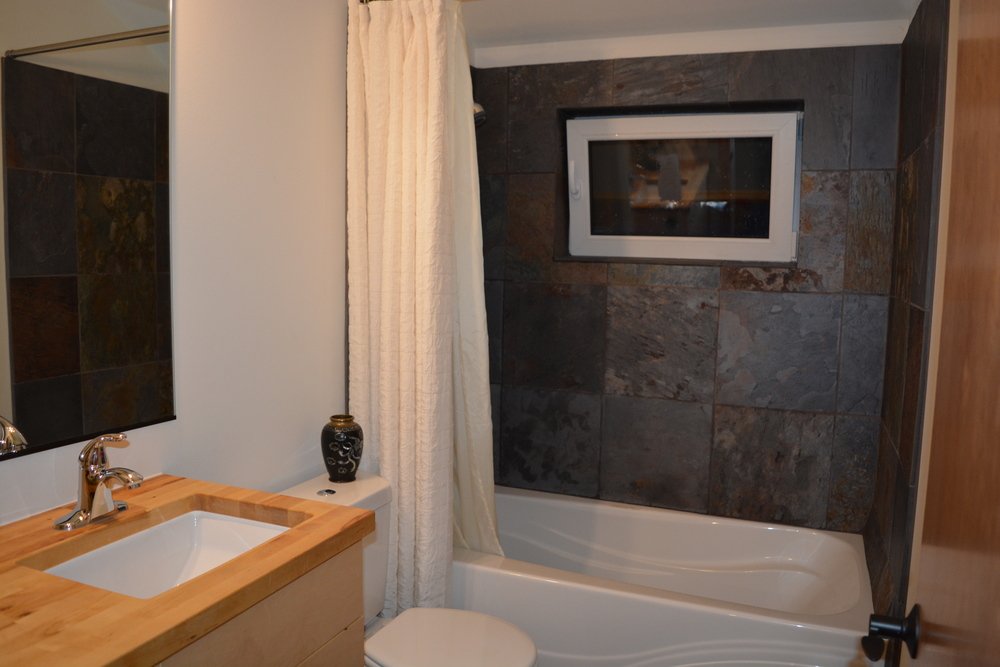
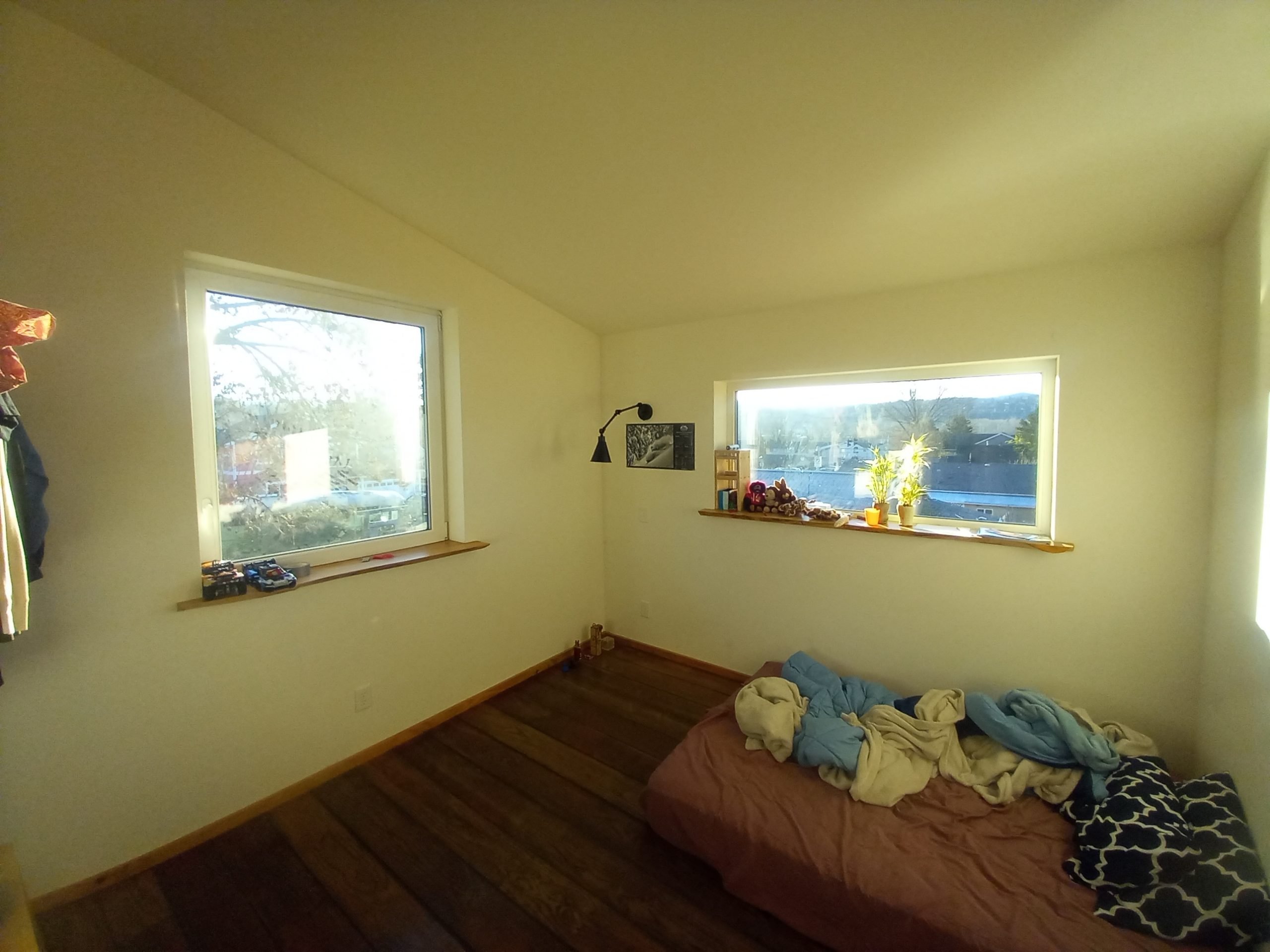
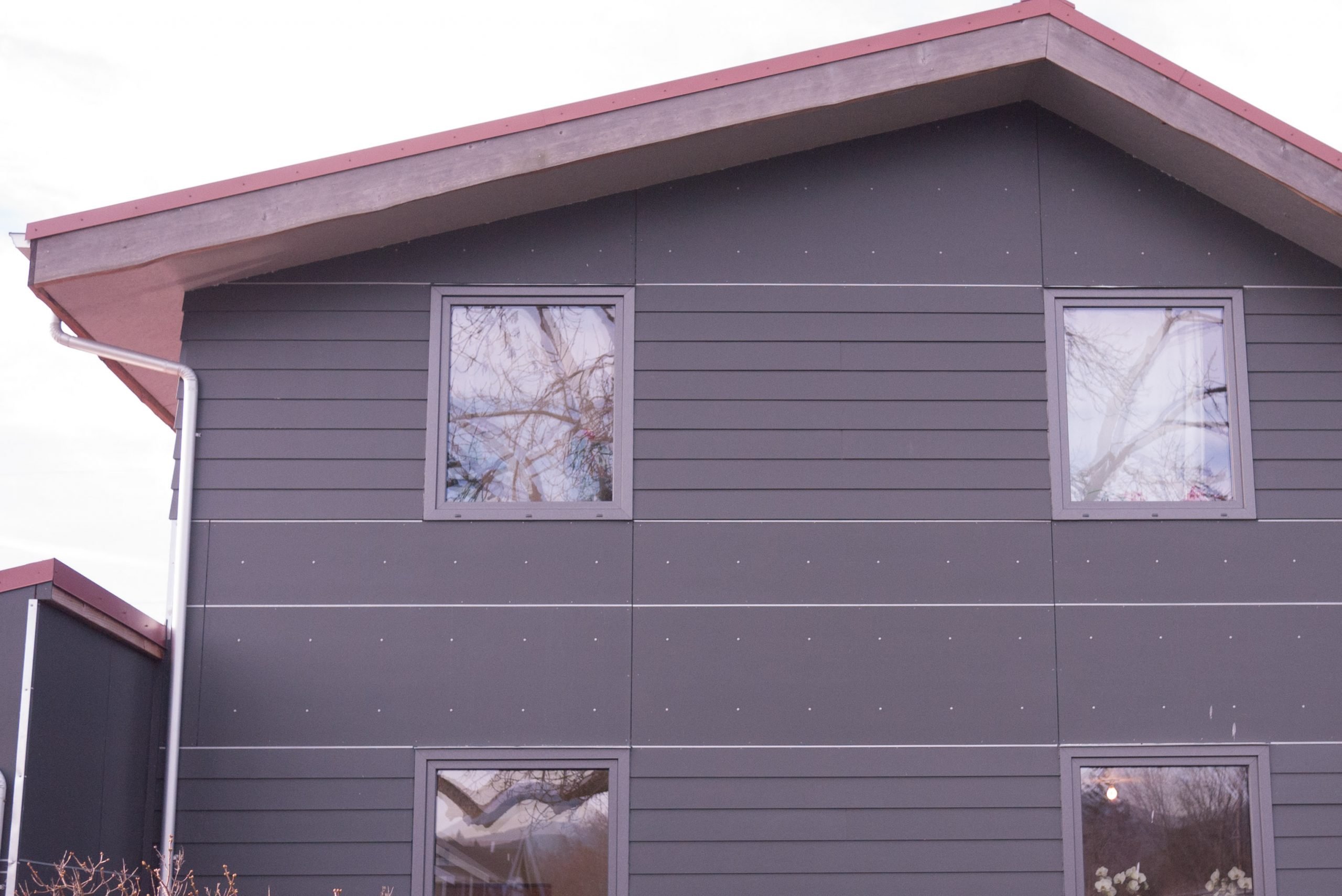
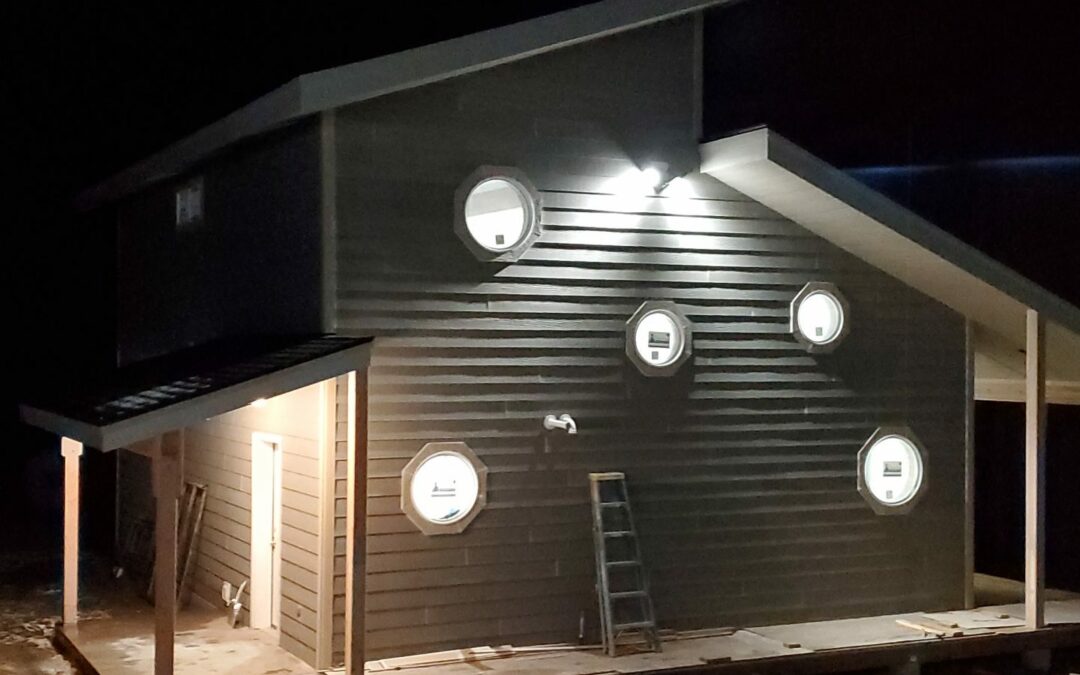
This 1,200 square-foot two-bedroom clerestory riverside home was built in 2020 in Ferry County, WA. TC Legend designed and permitted the home, and it was built by a Ferry County contractor.

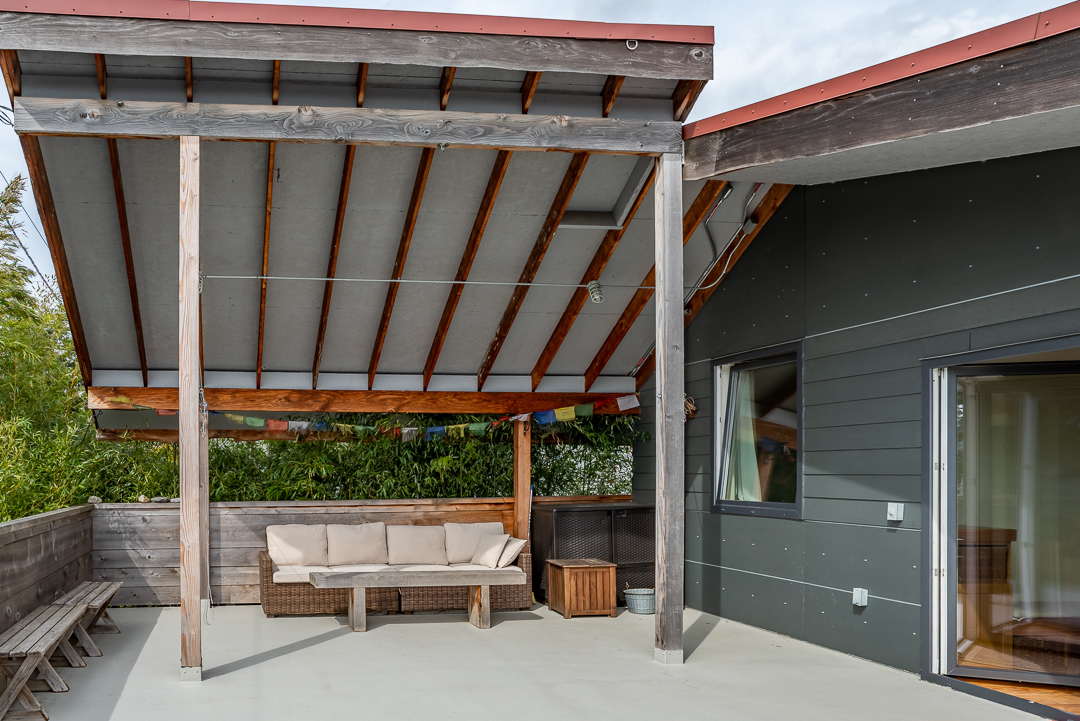
The greater temperature swings associated with the continental climate led us to do a cost-efficiency study to choose the best SIPs panel thicknesses. Walls were bumped to 8 inches, yet the roof remained 10.25 inches. The exposed concrete stem wall footing stands high above the finished grade to keep the snow away from the panel toe, assisted by generous eaves and covered walks & porches, which also provide necessary shade during the hot summers.

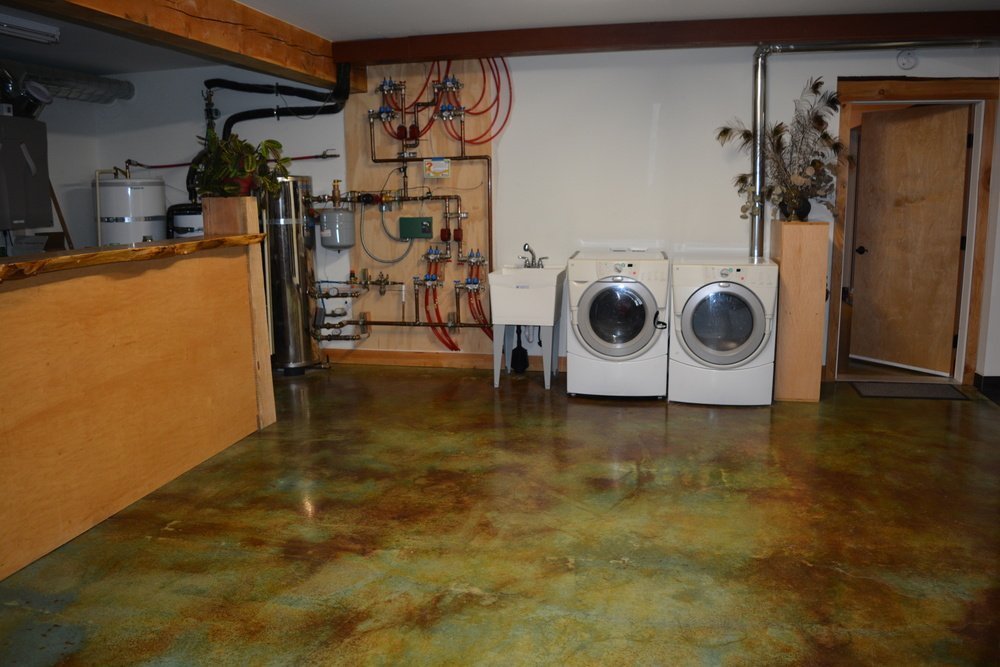
An entry mudroom/utility room airlocks the house to minimize the entry of smoke during the fire season. Fresh, filtered air is delivered throughout the house via heat recovery ventilator (HRV), scavenging the heat from the waste air and imparting that heat into the incoming fresh air.

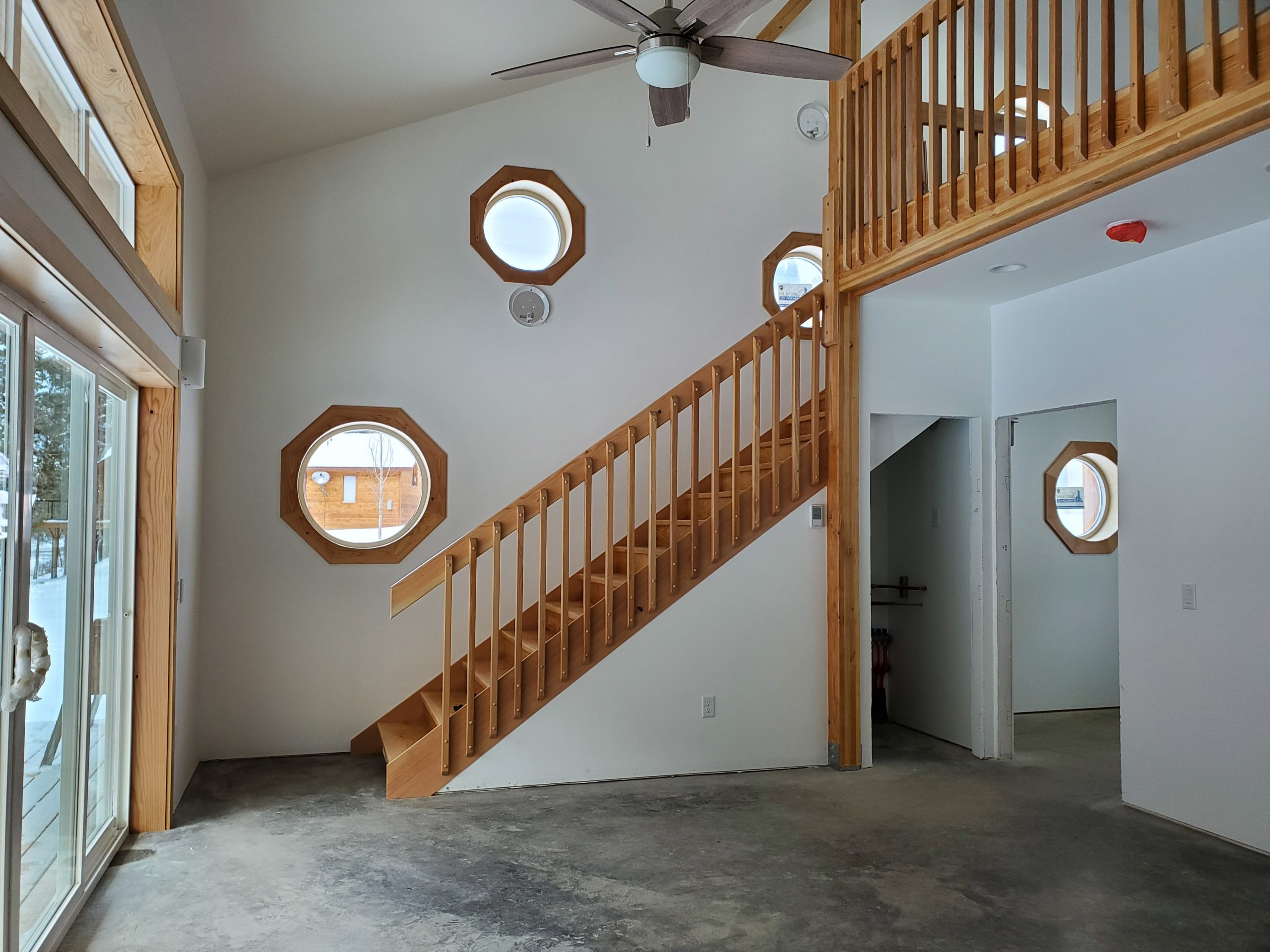
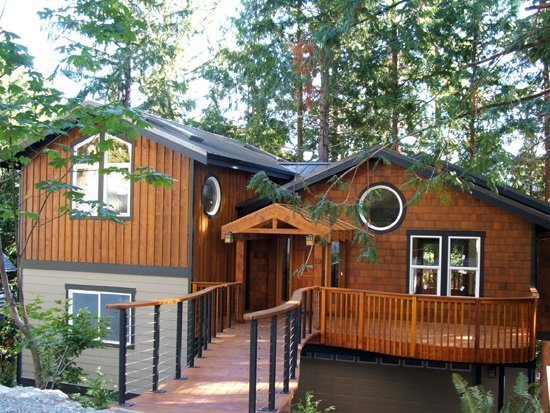
The circular windows are very easy to cut into SIPs panels; the trim-out is a bit more tricky.


Specifications

  • Fujitsu 9RL heat pump
  • Zehnder 220 HRV
  • Ground-mounted solar array for easy snow removal
  • 8.25” R-38 SIPs walls
  • 10.25” R-49 SIPs roof
  • 4” R-20 foam under 4” concrete slab-on-grade for thermal mass
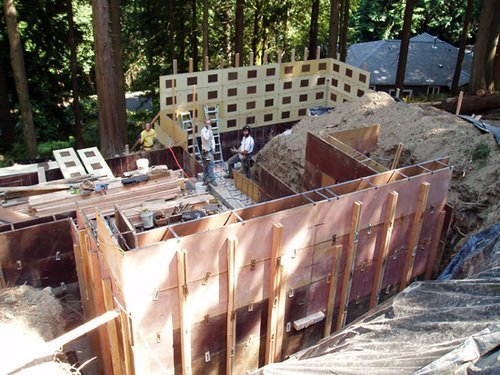
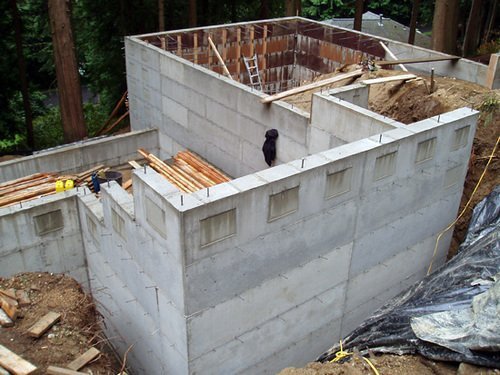
  • 5.5” foam (total) R-23.8 insulated concrete forms perimeter stem walls
  • Vinylek Boreal series triple-pane windows (U values between 0.14 and 0.16)
Whatcom County Net Positive Home

Whatcom County Net Positive Home

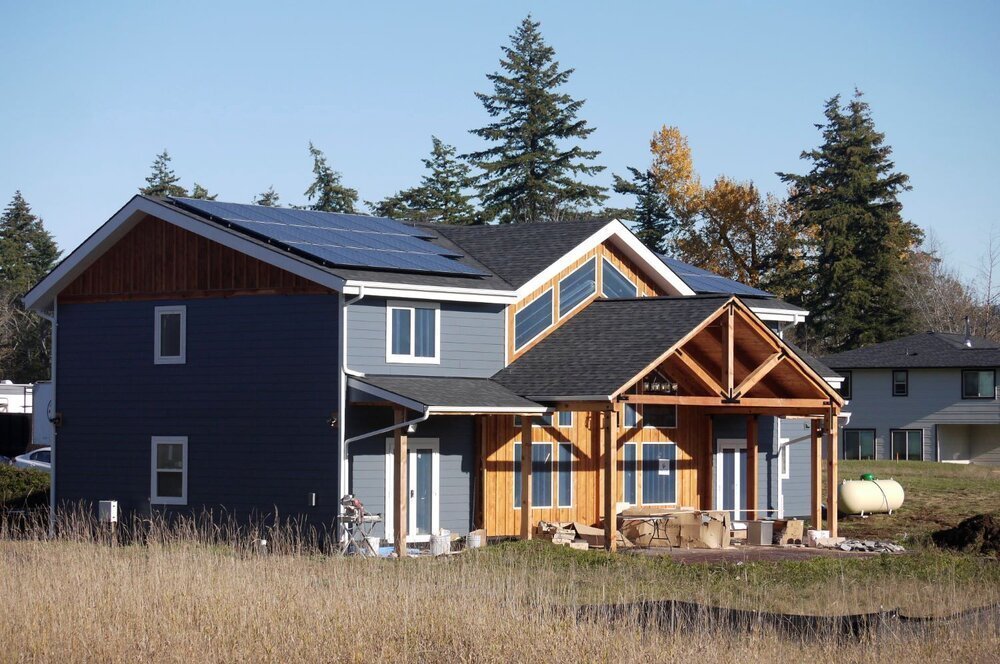
This Built Green Five Star home in Whatcom County was selected as a Department of Energy 2019 Housing Innovation Award Winner!

The house is weighted south, toward the sun. With both asymmetrical roofs; longer to the south for solar build-out and a preponderance of south glazing for wintertime passive harvesting, the windows are appropriately shaded, with regionally appropriate eaves and porches, against summertime overheating.

The gross footprint of the house is rectangular, stretched with the long-axis running east-west to maximize space available for solar harvest on roofs and south wall, with much smaller east and west walls which overheat as they take the full force of the sun in summer. The slab-on-grade floor is finished to be left exposed and imparts a visceral, cooling, underfoot mass.

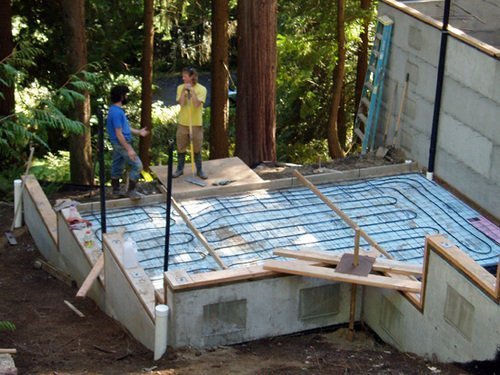
The slab also houses in-floor hydronic heating and radiates warm comfort during the long winter season, which, like all the seasons, can be felt and seen keenly in this house though the diversity of landscape views.

The home also features an open floor plan, with no wasted hallway space. The living area loft provides a sense of grandeur, but the modest-sized bedrooms and bathrooms require less energy and provide balanced efficiency.

SPECS/FEATURES

  • 2707 Square feet (conditioned)
  • 4 Bedrooms
  • 2.5 Baths
  • SIPs construction
  • 10.066-kW Solar
  • Triple-pane windows
  • Air-to-water heat pump
  • In-floor hydronic heating
  • Heat Recovery Ventilator
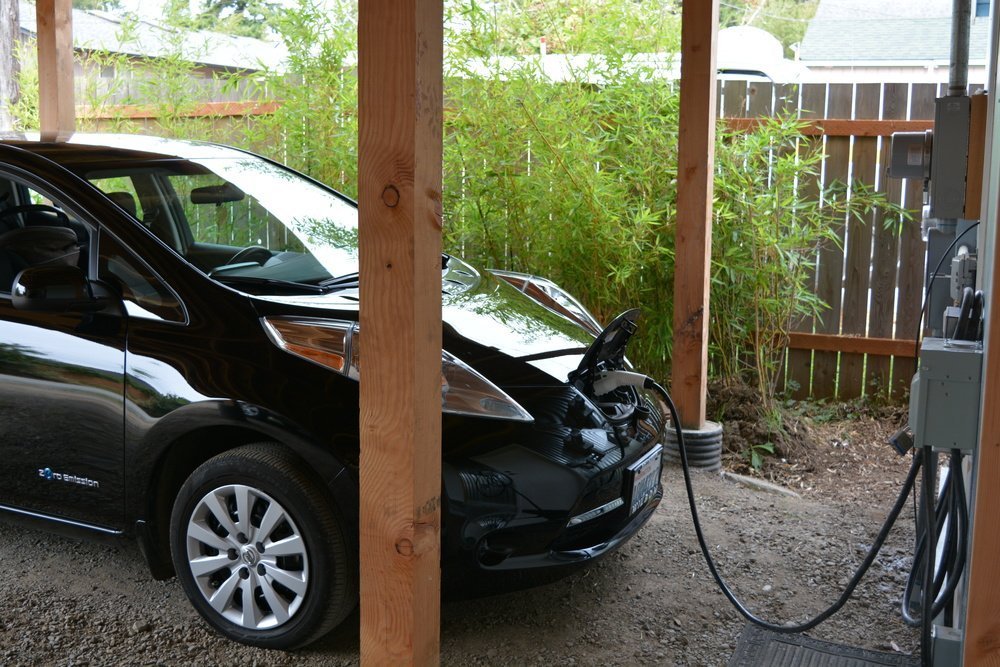
  • Electric car-charging
  • Low- or no-VOC products sourced throughout.
  • Wood posts, beams, counters, interior and exterior trim details milled on site from local timber

Photos by Scott Miller, Elevate Pro Photo

Murphy ADU

Murphy ADU

Murphy ADU

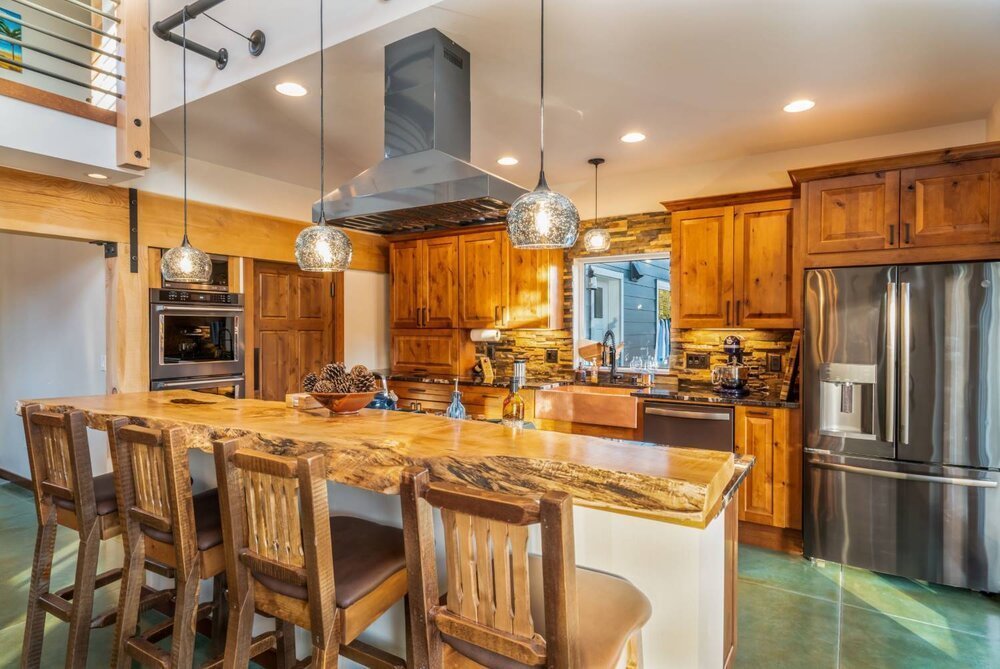
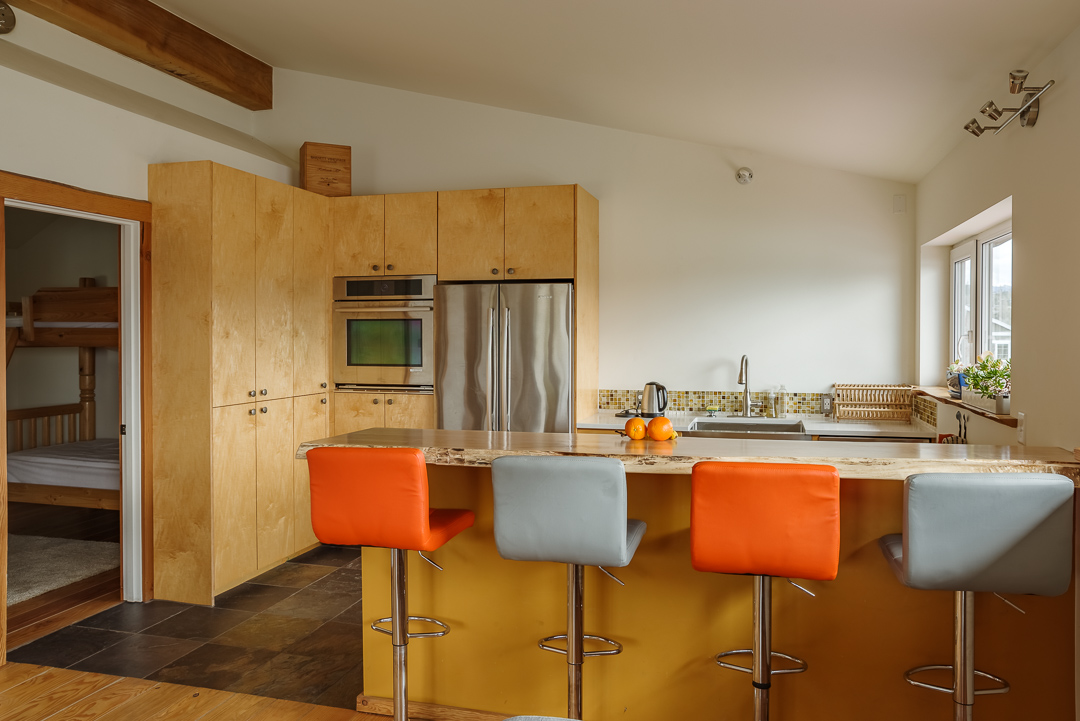
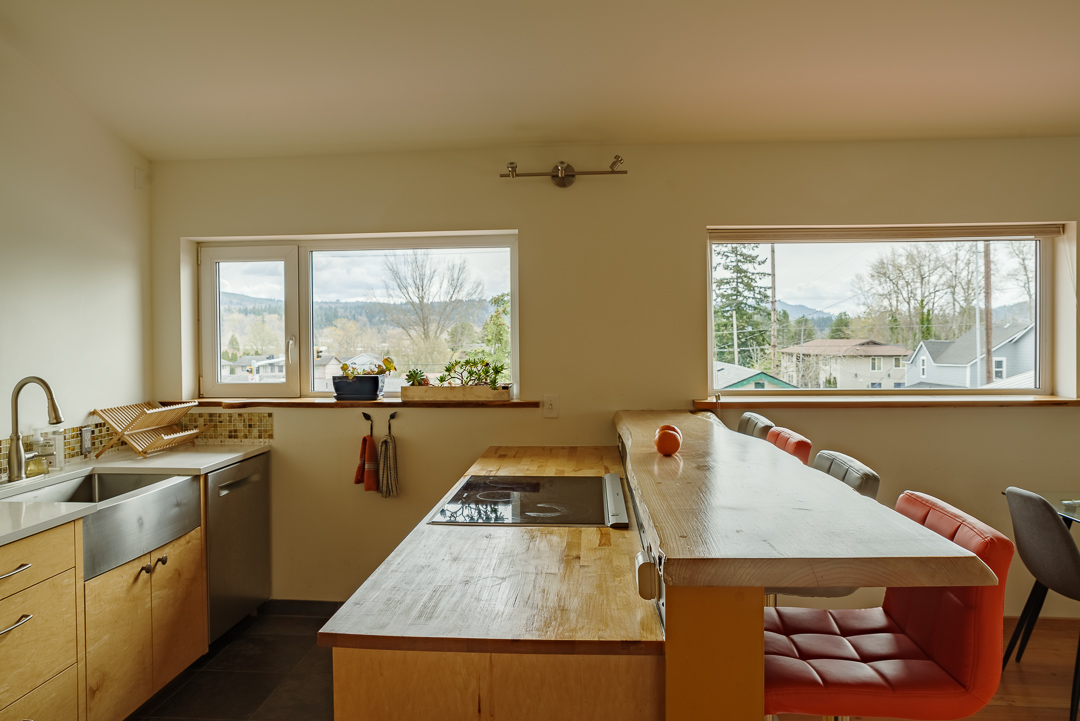
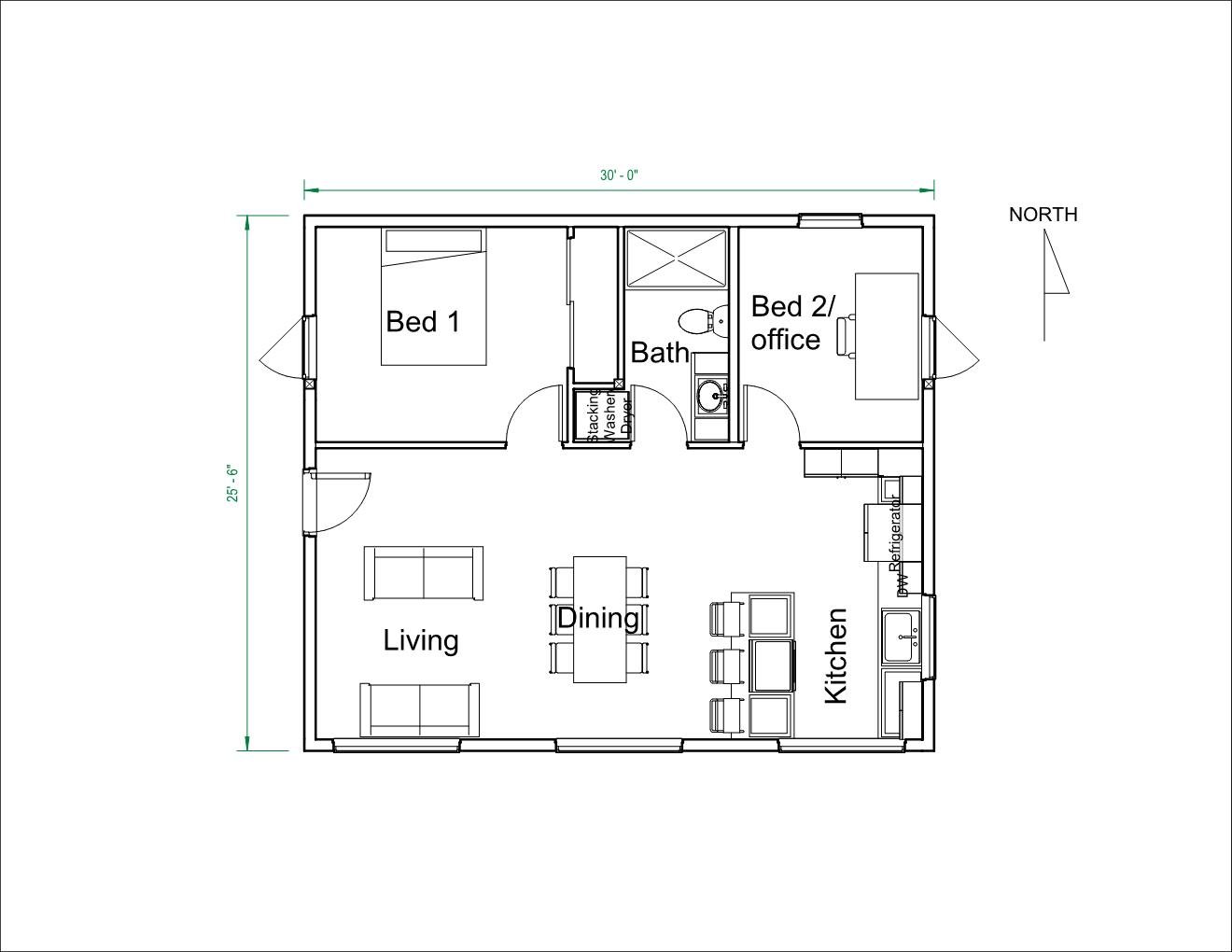
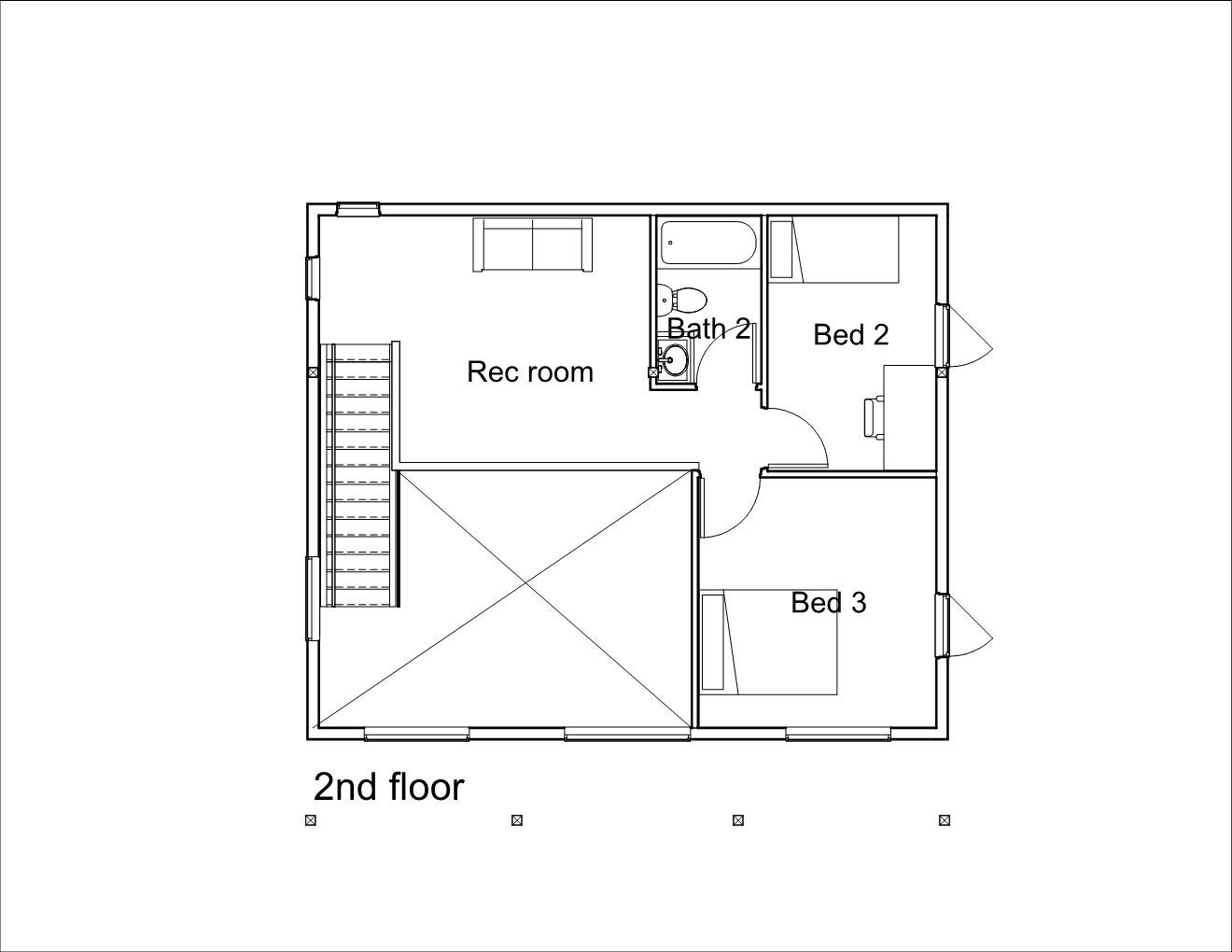
Built in 2015, the Murphy ADU House was a much-loved house for the young couple who raise their first child here. It features fantastic daylight all year round and sky views while still offering good privacy with windows placed high on the wall. Murphy house also features a cook’s kitchen that could cater a large Thanksgiving with plenty of space for a big table and bar seating.

Specs

  • 765 square feet
  • 2 bedrooms, 1 bathroom
  • 1st floor aging-in-place
  • Long & wide bathroom
  • Cook’s kitchen
  • Kitchen bar

Bellingham Power House

Bellingham Power House

Clifton

Nicknamed the PowerHouse, this house is the first of its kind in Whatcom County. The home sends power to the city’s electrical grid when the sun is out and draws it during the night or on cloudy days. (Contrary to popular belief, the Pacific Northwest is an excellent place for solar). Averaged over the entire year, the panels will produce more power than the house uses, with enough of a surplus to power two electric cars through on-site charging stations.

With its airtight shell, structural insulated panel (SIP) construction, numerous south-facing windows and passive solar design, highly efficient heat pump, solar hot water, and a solar PV array using Bellingham-built ITEK modules, this one-of-a-kind house has no electrical bills (other than the monthly service charge for this grid-tied system) and costs nothing to heat. No oil, natural gas, or other fuels are used.  


Specs

  • 2,700 square feet,
  • 3 bedrooms, 2 bathrooms
  • 1st floor aging-in-place
  • Double height living/dining room
  • Powers itself and two electric cars, for net-zero emissions, over the course of a yearUses a 9.9kW photovoltaic system (half power goes to the house, other half powers two cars)
  • Envelope includes structural insulated panels, insulated concrete forms, and 4” foam under slab
  • Heat and hot water provided by a solar hot water collector with an air-to-water heat pump backup
  • Radiant-heat floors
  • South-facing high solar gain triple-pane windows and solar absorbing concrete floors
  • Utilizes the most energy-efficient appliances and lighting available on a budget

  • Collects rainwater for all outdoor water usage and utilizes low-flow fixtures indoors

  • Budget under $150/SF includes all development costs except land (built on an infill lot in the city)

  • Northwest Energy Efficiency Alliance is monitoring home for US Department of Energy pilot program

  • Fresh air provided by heat recovery ventilator and earth tube combo system

  • HERS rating is -15

19 Cascade Lane

19 Cascade Lane

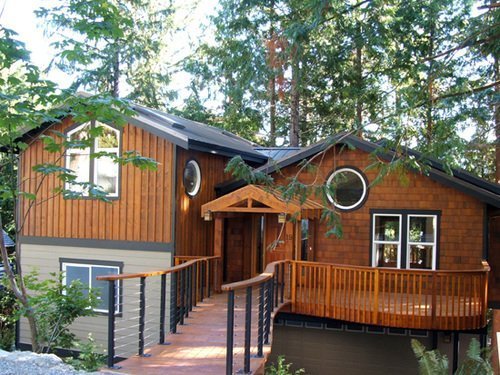
This was TC Legend’s first “green-built” home. Designed by the company’s founder Ted Clifton to avoid wasted space, the home lives larger than its footprint. It was built using advanced framing techniques to remove more than 30 percent of the framing lumber. (Who knew that there was so much waste in standard construction?) The house was fitted with gas appliances throughout, along with the best double-pane windows available. The home became Ted’s personal residence during the early years of the Great Recession, when he shared it with roommates.

“In the winter, I enjoyed the gas fireplace in this gorgeous home,” Ted Clifton says. “Yet even with a 92-percent efficiency gas boiler, the gas bills were $300 to $400 per month. I was a bit let down that my “green” home still cost so much to operate.”