For TC Legend Home’s 9th time, we are thrilled to announce another Department of Energy Housing Innovation Award (HIA) winning home!
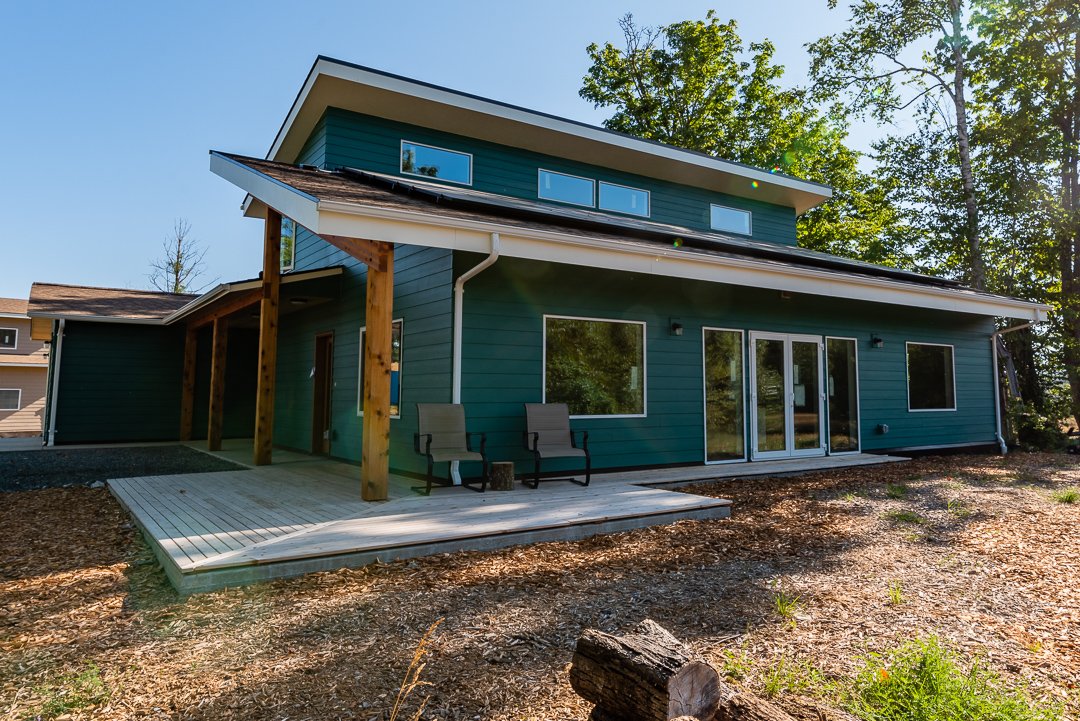
House-in-a-Hollow has won the grand prize for the ‘Custom for Buyer less than 2500 Square Feet’ category. We could not have achieved this award without the amazing homeowners who helped us push the envelope and our extremely skilled field crew who nailed the execution (pun-intended). 🙂
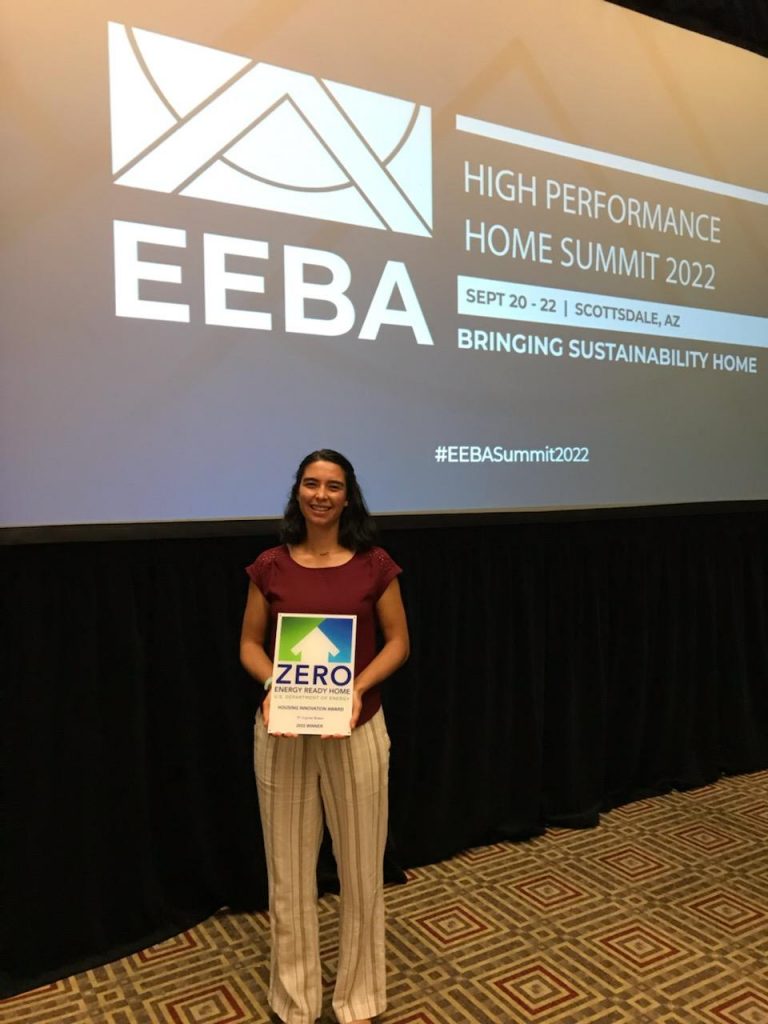
Our very own Talia receiving TC Legend Home’s Department of Energy 2022 Housing Innovation Award!! Talia had a blast at the EEBA conference last week in Scottsdale, AZ and loved seeing The House in the Hollow showcased!
Each year the HIA updates their application pushing companies to innovate more and change with the times, and this year was no exception.
Along with the house performance, design and materials/sustainability information required, the award also requires the builder to submit information on their business metrics and how they create quality construction.
This year, they added the “Advances Home Concepts” section which consists of written portions on the company’s advanced building practices, smart building techniques and environmental impact.
Much like the Seattle based Built Green program, they have also added a portion to evaluate the company’s sustainable business practices which includes their diversity, equity and inclusion practices, and workforce training.
These latter additions are very valuable as the industry recognizes the interconnection between sustainable housing and equitable housing. Sustainable housing should not just be for the wealthy and, in fact, those of lower incomes are far more likely to live in homes or areas that negatively impact their health.
This is due to the homes being less desirable to the wealthy and therefore cheaper, creating a market where the only homes that are financially available to folks with lower income, are the ones that are unhealthy. It should go without saying that this is unfair and unjust. Making it that much more important the sustainable housing be available for everyone.
#2022HIA
Award Winning Features of House-in-a-Hollow
House Description:
Size: 1935 sf
Bedrooms: 3
Bathrooms: 2.5
Lot Size: 9.88 acres
Garage: separated and unconditioned
HERS Index (With PV): -23
Annual Utility Costs: -$278.00
Energy Savings: 20,354 kWh
Net-Zero: Yes
Aging-in-Place Design: Yes
Clerestory Design: Yes
Certifications:
ENERGY STAR
Zero Energy Ready Home
EPA Indoor airPLUS
Built Green 5 Star
Construction:
Walls: 6.5 inch Neopor SIP panel (R-29) with Hardie plank lap siding
Roof: 10.25” and 12.25” Neopor SIP panel (R-49 and R-59), IKO Armourshake asphalt roofing, foam splines in place of wood splines
Air Sealing: Aerobarrier sealed to 0.54 air changes per hour (ACH)
Foundation: Slab on grade with R-20 underslab insulation and insulated concrete form (ICF) stemwalls
Windows: Vinyl, Triple-pane, Low-e3 coating, Argon-filled, Fixed U-value of 0.15, Casement U-value of 0.18
Additional: Extended roofs/eaves and clerestory windows for summer shading and passive winter gain
Mechanical:
Ventilation: Zehnder Comfoair 550 whole-house HRV, Fantech HEPA filter, whole house CO2 & humidity sensors
Heating/Cooling: Chilltrix CX-34 air-to-water heatpump with Comfopost, radiant in-floor heating on first floor, and fan coil unit heating on second floor
Hot Water: Domestic hot water is heated by the Chilltrix heatpump
Photovoltaics: 10.56kW rooftop array with microinverters on each panel
Electric Vehicle Charging Station: Yes
Additional: Awair Indoor Air Monitor that tracks the internal humidity, temperature, chemical pollution (VOCs), PM2.5, and CO2
Additional: 100% LED lighting, Energy Star appliances, WaterSense and low-flow plumbing fixtures, low-emission finishes
Land Development
Undisturbed Land: 98%
Tree Retainage: 74%
Wetland Buffer Mitigation: Installation of 630 native trees & shrubs
Landscaping: Installation of only native plants that require no potable irrigation
Grass: No
Additional: Large rocks placed along perimeter to deter human impact on wetlands, a few trees removed on the immediate South side of house for passive solar gain & PV array, trees to East & West retained to shade house
Learn more about other innovative builders and award winners here:
For the first time in over 10 years, TC Legend Homes has had the opportunity to build our very own spec home!
We are excited to announce that it will be completed and ready to sell within a couple weeks’ time!
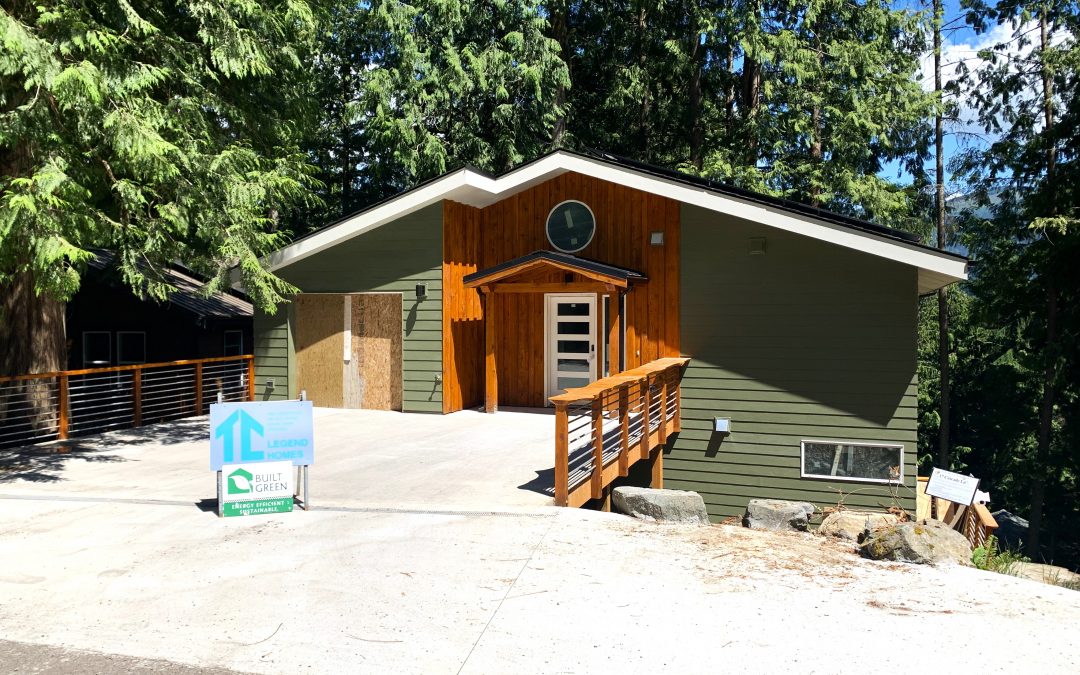
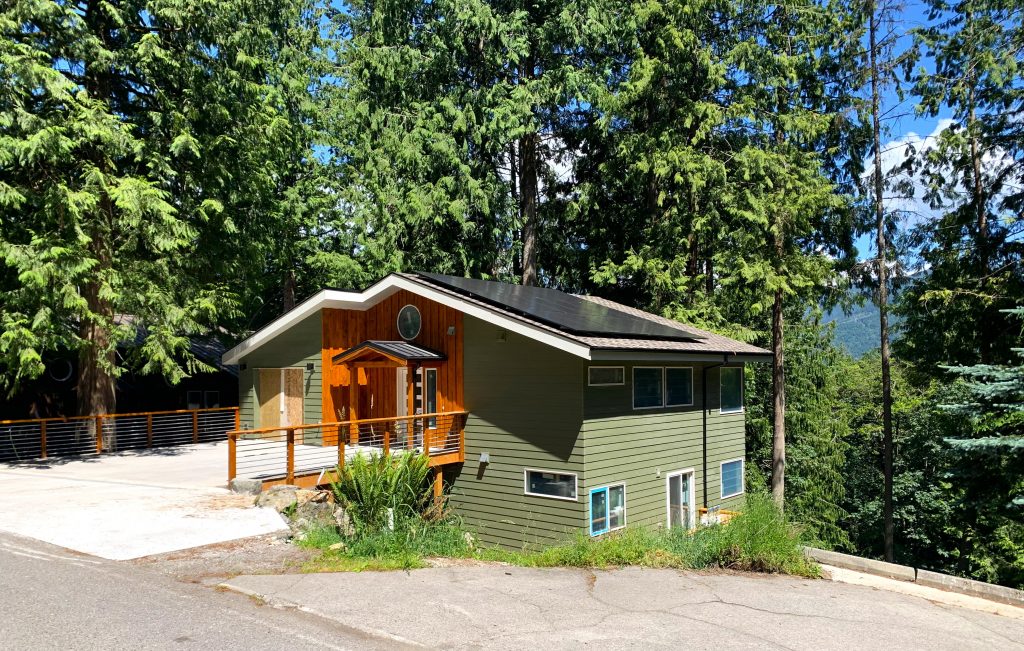
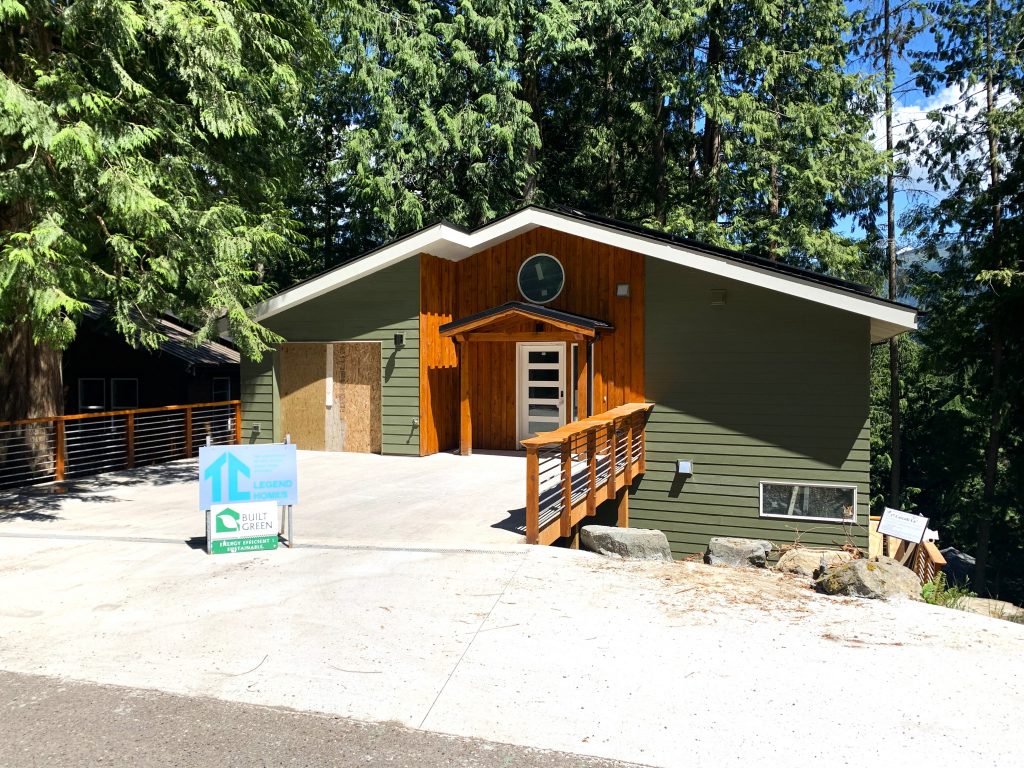
This lovely forest bungalow located in Sudden Valley, named Cascade, features our typical SIPs and ICF construction, energy efficient techniques and solar array creating a Net-Zero house that can also power an electric vehicle.
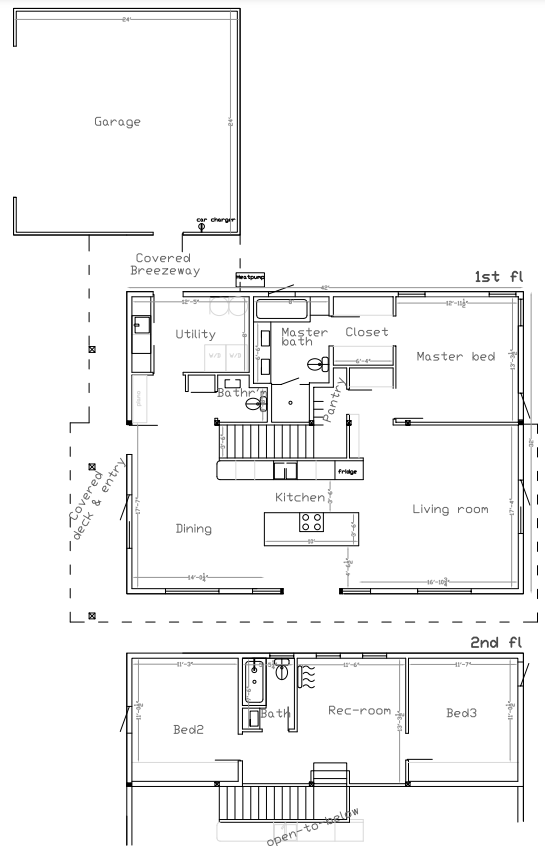
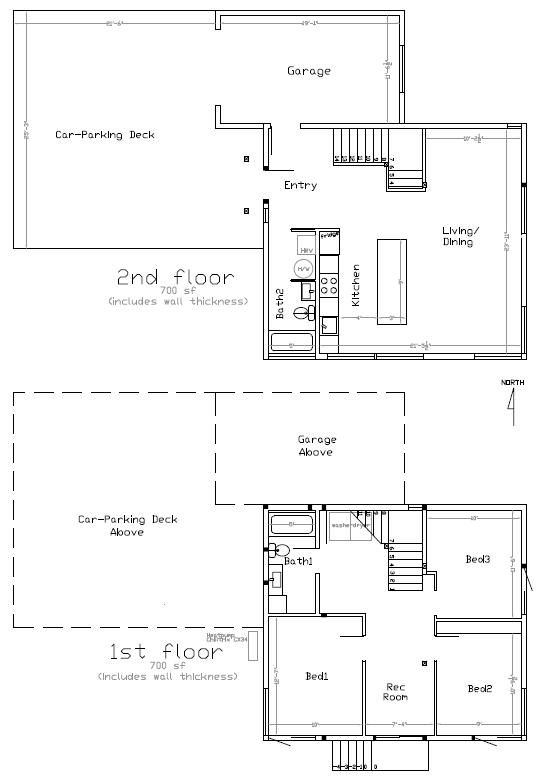
It has 1400 square feet of living space and a 240 square foot garage, with a total of 3 bedrooms and 2 bathrooms.
The extra-large bridge driveway can park an additional 3-4 cars or has ample room to work and play!
As always, this home is heated by a Chiltrix CX34 air-to-water heat pump and two fan coil units for added comfort. The heat pump also provides air conditioning in tandem with the Fantech Hero 250H-EC heat recovery ventilator (HRV). The envelope is vapor sealed and the window are triple paned with Low-E coatings for extra energy efficiency.
For superior indoor air quality, Cascade features an HRV system with added HEPA filters, low/no VOC finishes throughout, FloorScore rated solid bamboo floors, and all electric appliances and heating.
We anticipate Cascade to perform exceptionally well like all of our other homes and obtain Built Green 4-Star rating, EPA Indoor AirPLUS certification, EPA Energy Star certification and Department of Energy Zero Energy Ready Home rating.
So far, the house has received a 0.45 air changes per hour envelope seal, which far exceeds the Passivehaus standard.
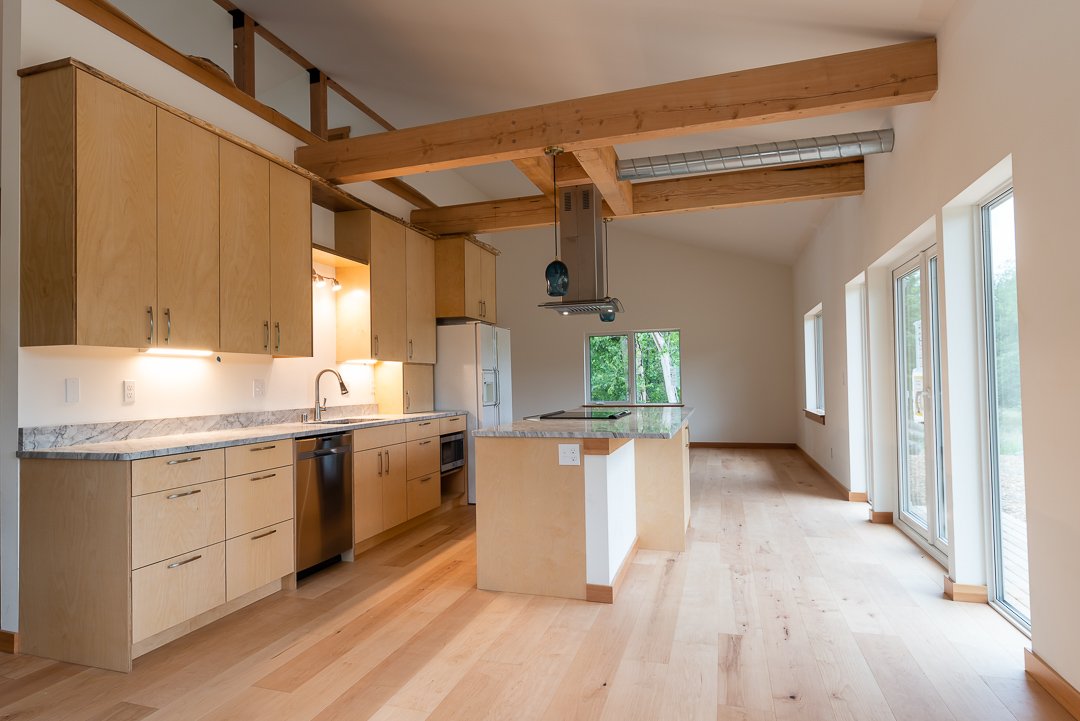
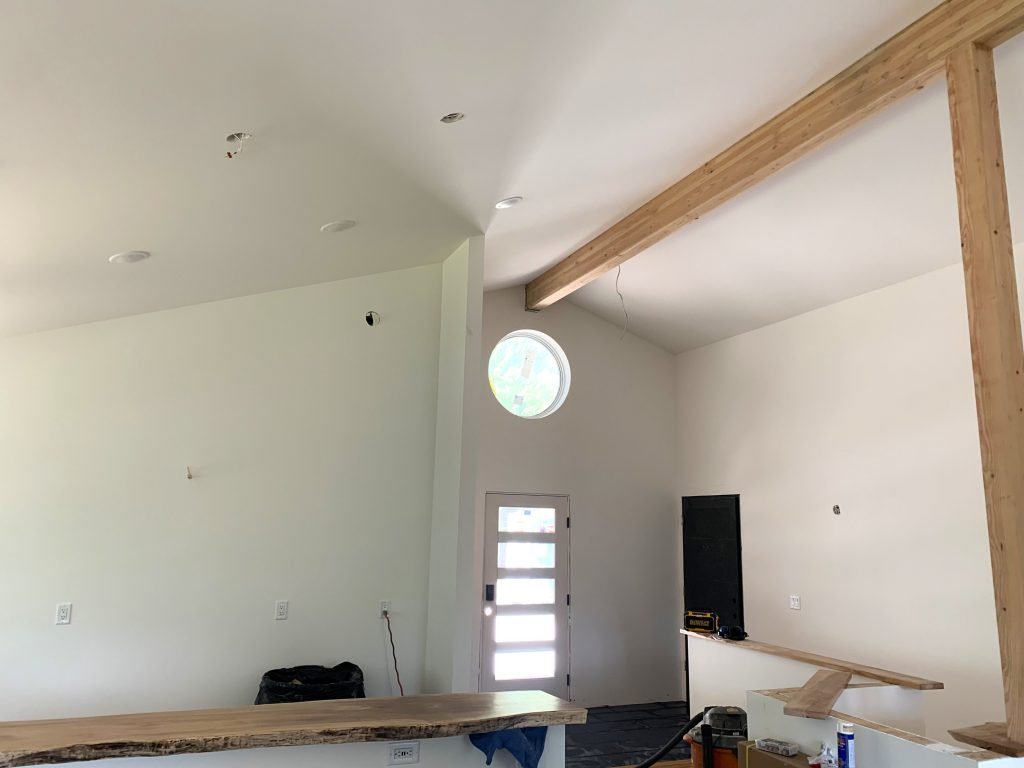
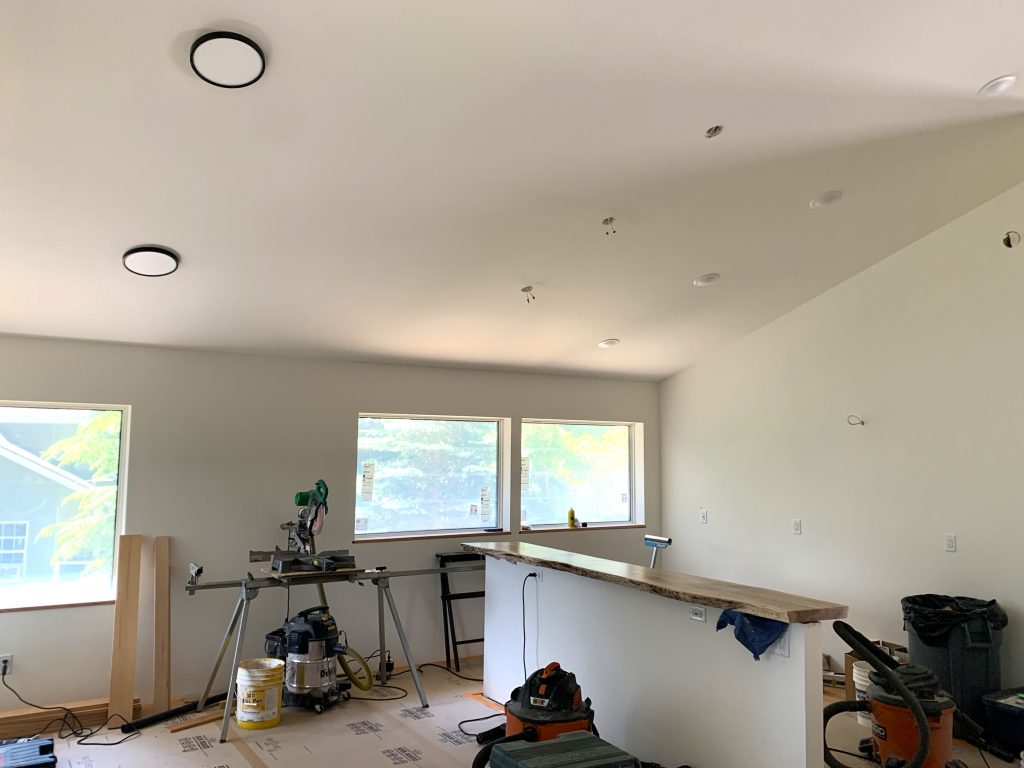
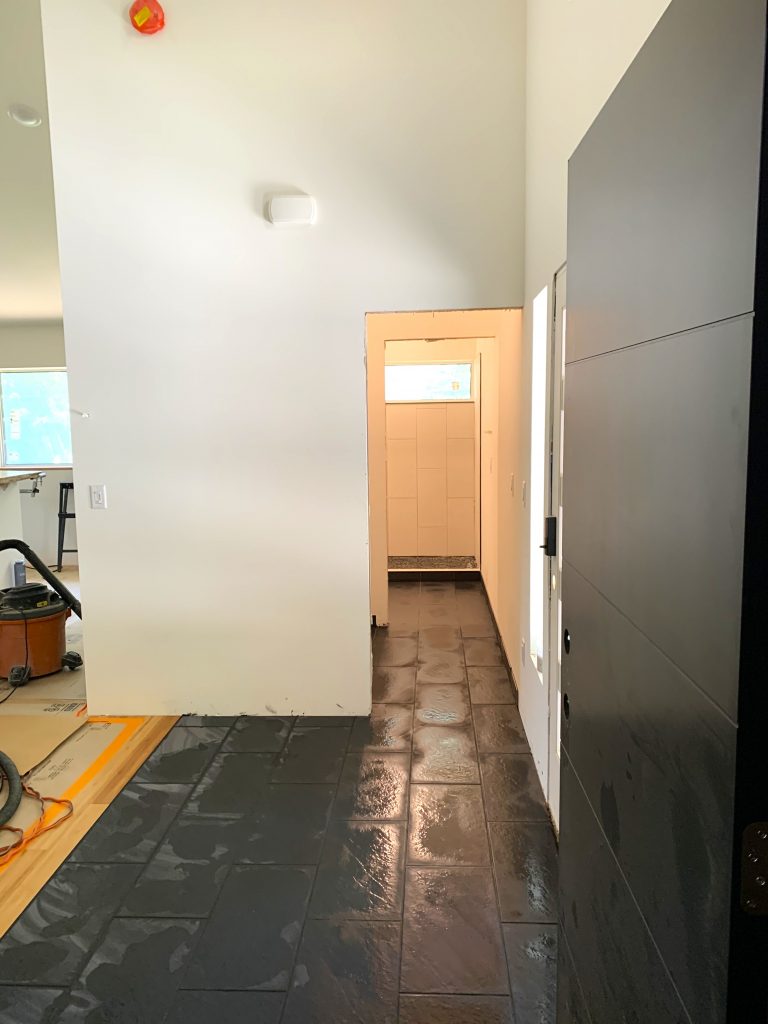
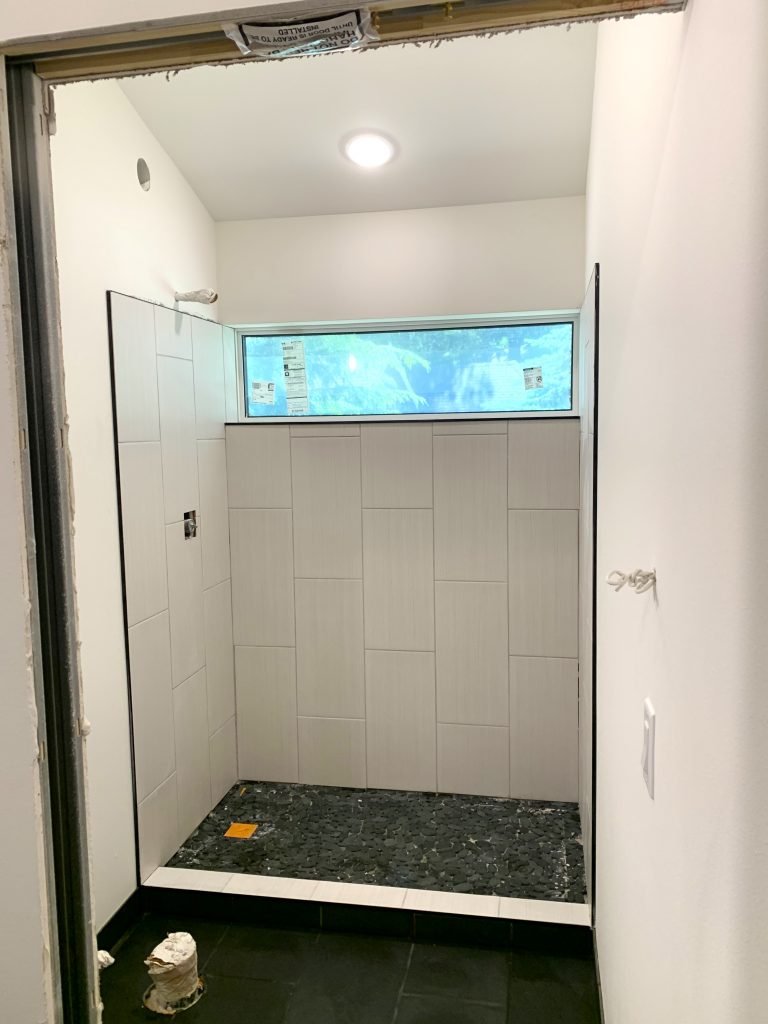
Other home details include, EnergyStar rated appliances, induction cooktop, WaterSense rated plumbing fixtures, zero-threshold shower on main floor, tub/shower combo on lower level, lots of natural daylight, south facing windows, solid bamboo flooring throughout, bright white interior, locally milled raw edge cedar plank on the driveway railing, asphalt roofing, cedar plank entry accent siding, tile entry, tile bathrooms, river rock tile shower floor, exposed beams, vaulted ceilings, heat pump dryer.
If you are interested in purchasing or touring Cascade, please reach out to us to through the “Contact Us” page on our website or keep watch for our Redfin/Zillow/Trulia ad which will release in the next couple of weeks!
** Update 7/21/22 : This just in! Cascade is up on the market! Check out the Redfin ad HERE to book your tour today! **
At TC Legend Homes, we have dedicated ourselves to pursing the vision of zero-energy homes for all. We strive to be pioneers in energy efficiency, seeking to create a healthy and clean carbon neutral future that allows the next generation to thrive. Our history of excellence in reducing or eliminating the operational emissions of our homes speaks for itself. Through extensive energy efficiency measures, quality craftsmanship, and a combination of passive solar design and rooftop photovoltaic, we have created a building model that allows us to make our affordable, zero-energy home vision a reality. Over the past 7 years, we have built more than 20 homes and ADU’s that are zero energy ready at a minimum with more than 12 of the 20 being net positive homes. Now it is time for TC Legend to expand our focus to address the other element of emissions in buildings, the embodied carbon.
The carbon footprint of any building is comprised of two elements: the commonly focused upon operational carbon and the less commonly addressed embodied carbon. Since our building model has successfully addressed the operational aspect of this footprint, we are now expanding our focus to addressing the embodied component while still maintaining excellence within the operational emissions.
What is Embodied Carbon and Why does it Matter?
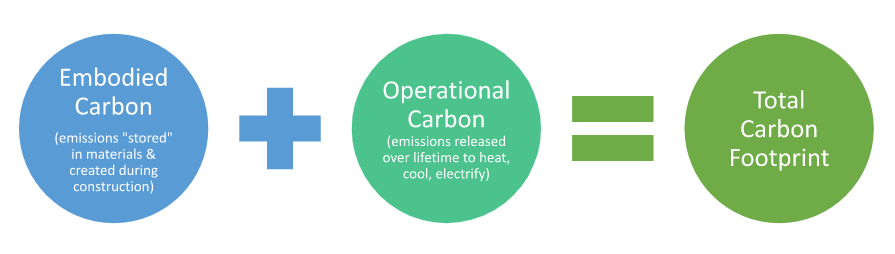
You might ask, “What exactly is embodied carbon and why do we care about it?” Simply put, embodied carbon is the upfront “carbon footprint” of a product. For buildings, you can think of it as the emissions that are produced to create the parts of the building, encompassing all emissions that occur before it is functioning as a home. This includes all emissions from material production and those produced during construction. In contrast the operational carbon of a home is the emissions released to heat, cool, and electrify the home over its lifetime.
Figure 1: Carbon Foot Print Formula
Since embodied carbon emissions are “stored” in the home before it is operating, the embodied carbon sets the baseline for the total footprint of the home. Even if a house is exceptionally efficient, producing little to no operational emissions, the total carbon footprint of the house is not zero because of the upfront emissions. This is why embodied carbon matters. If we solely focus on operational carbon and the future emissions of the home, we do not consider the significant portion of emissions being released NOW. And, according to the 2022 Intergovernmental Panel on Climate Change (IPCC) report, drastically reducing emissions now is what will have the greatest impact on avoiding the most severe elements of climate disaster. For years, scientists have warned of the catastrophic results to the climate and environment if the world reaches an average temperature of 1.5-2° C above prehistoric levels. The 2022 IPCC report notes that we are on a trajectory to reach the 1.5° C in the next two decades, highlighting the only way to stop this impending disaster is to focus on emission on the today-10 year timeline. Since the majority of building emissions occurring in the first 10-15 years of a highly efficient or zero-energy home are embodied emissions, these need to be our focus moving forward. While we do not want to give up operational efficiency, we need to focus on reducing the embodied carbon emissions that are produced now, and work to reduce the overall emissions of our buildings.
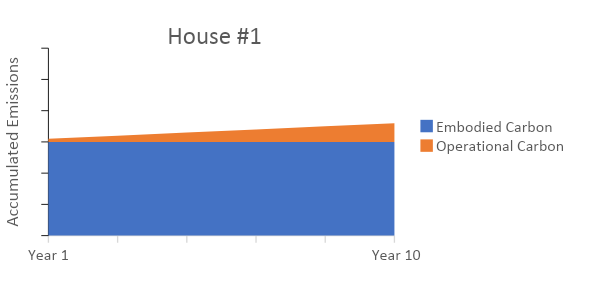
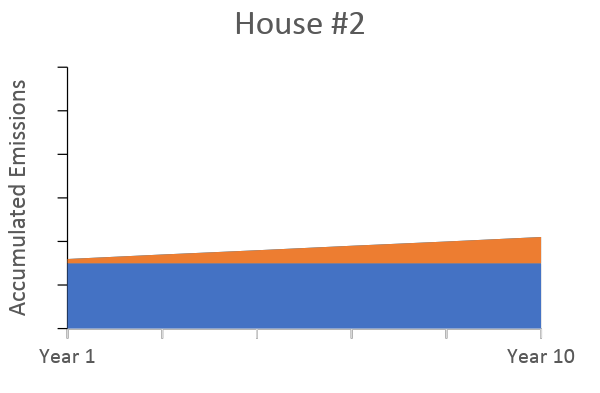
The below graphs illustrate how a reduction in the embodied carbon has a significant impact on the total emissions of a home on the ten year time horizon, given that the majority of emissions on this time scale are from embodied carbon. House #1 and House #2 demonstrate two houses with the same design, producing similar operational emissions. However, if we are careful in selecting materials with lower embodied carbon, we can see a significant difference in the total emissions of a house, as demonstrated by the house #2 graph. These two graphs illustrate a high efficiency home designed without a focus on embodied carbon (house #1) vs one where there is attention given to reducing embodied carbon (house #2).
Figure 2: Total Emissions of a Home on the Ten Year Time Horizon
Our Objective
As a company that strives to create a healthy future for all, it is our responsibility to do our part in the next 10 years. By expanding our focus to better address our homes “now” emissions through modeling and decreasing our embodied carbon, we are working to be part of the necessary change. Tackling the biggest issues and working to refine our model to achieve excellence in both areas of home emissions is our newest goal, and one we hope that through education of the public and adjustment without our own building model, we can help lead the building industry in the right direction.
We will share additional posts on the topic of embodied carbon with more details on what embodied carbon is, how its calculated, and how we are making changes in the coming weeks so stay tuned!
In our last blog about indoor air quality (IAQ), we discussed what influences IAQ, what effects it has on humans and nature, and how to create healthier IAQ in your home.
As a recap, IAQ is measured by the quantity and type of pollutants in the air within a building. The pollutants that decrease the IAQ (make the quality worse) can be anything from biological pollutants such as mold and mildew, bacteria, dust or pollen, to carbon monoxide or volatile organic compounds (VOC’s)4. These pollutants can cause a wide variety of health problems for humans and animals, from mild skin irritations all the way to damaging internal organs and causing cancer.2,5
While ventilation is just one of the many factors that affect IAQ mentioned in our previous blog, it is a multifaceted topic and requires a deeper dive than we were able to give.
We’ve already established that healthy IAQ is important, but how does ventilation impact it and what are the current shortcomings of code-standard ventilation systems?
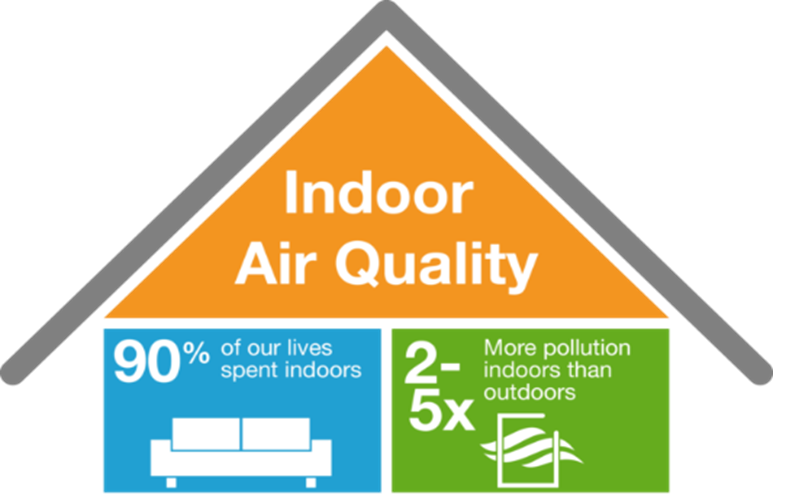
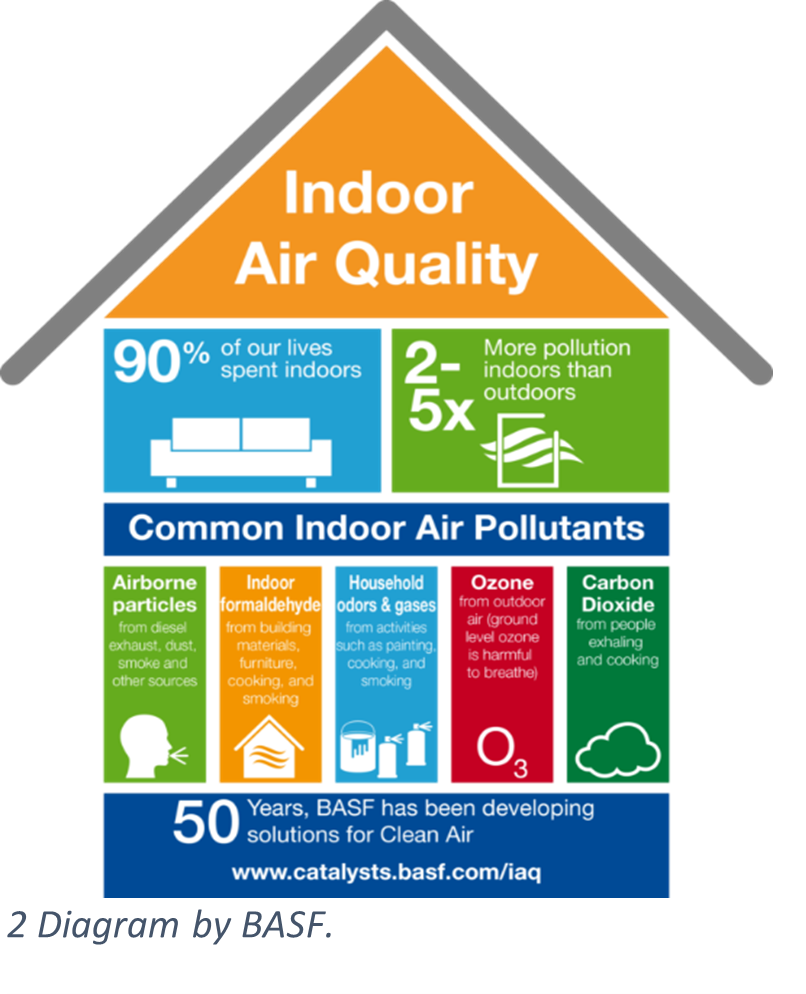
Firstly, IAQ can be 2-5 times more polluted than outdoor air quality6; therefore, it is vital to expel a greater quantity of indoor air and intake more outdoor air to increase a building’s overall IAQ.
However, not all ventilation systems are made equally. Often, with forced air-heating and traditional air-conditioning systems, the main method of ventilation is infiltration or purely natural ventilation (opening windows)3.
This is problematic, because there will not be a great enough flow of air to expel the polluted indoor air and the outdoor air comes into the building’s envelope untreated. While outdoor air is generally less polluted than indoor air, it would be counterproductive to bring in smoky, smoggy or pollen filled air, for example, and should still be filtered before entering the building.
When mechanical ventilation is installed in a simply code-standard building, the typical system must be manually turned on and off and doesn’t have the capacity for higher airflows or continual airflows. For this reason, conscious builders like TC Legend Homes go above and beyond the less-than-optimal code-standard systems and always uses a Heat Recovery Ventilator (HRV).
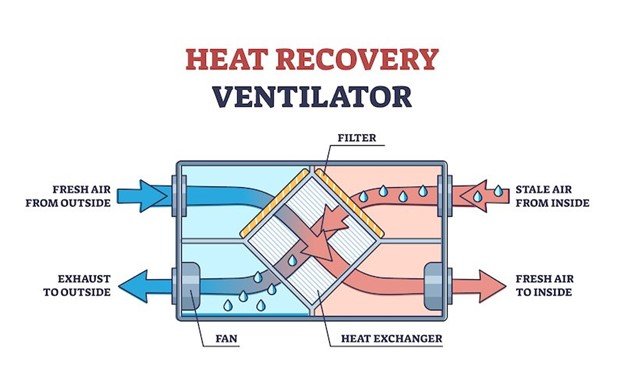
HRV units allow for continual filtered airflow. They are also capable of utilizing smart technology with sensors to detect CO2 and humidity within the house, allowing the system to automatically adjust air flow.
The humidity tracking and management is a huge advantage because it creates a more comfortable environment to people, pets and indoor plants alike and helps keep mold and mildew growth in check. On top of increasing airflow and managing humidity, the HRV also contains HEPA air filters to ensure the incoming air is stripped of as many pollutants as possible.
Of course, the extra benefit to these systems beyond increased IAQ is that they “recover up to 90% of the heat and contribute to an energy savings of up to 50%.”1
This means HRV systems save money by lowering the overall energy bill, as well as decrease the building’s carbon footprint by using energy more consciously resulting in less consumption of energy, fossil fuels and other precious materials.
In all, choosing the best ventilation system can mean creating a healthier home, as well as reducing your wasted energy consumption and having a lesser impact on the environment.
Interested in learning more? Check out EPA’s Indoor airPLUS program HERE
1. Diagram depicting how a Heat Recovery Ventilator transfers heat and air. Source: AttainableHome (https://www.attainablehome.com/the-10-best-heat-recovery-ventilators/).
2“Biological Pollutants’ Impact on Indoor Air Quality.” United States Environmental Protection Agency (EPA), EPA.gov, https://www.epa.gov/indoor-air-quality-iaq/biological-pollutants-impact-indoor-air-quality. 2/10/2022.
5“Volatile Organic Compounds’ Impact on Indoor Air Quality.” United States Environmental Protection Agency (EPA), EPA.gov, https://www.epa.gov/indoor-air-quality-iaq/volatile-organic-compounds-impact-indoor-air-quality. 2/10/2022.
6 Wallace, Lance A., et al. Total Exposure Assessment Methodology (TEAM) Study: Personal exposures, indoor-outdoor relationships, and breath levels of volatile organic compounds in New Jersey. Environ. Int. 1986, 12, 369-387. https://www.sciencedirect.com/science/article/pii/0160412086900516.
Impact of Eco-Conscious Living Series: Indoor Air Quality
Just as you may think about the poor outdoor air quality on a smoky day or the smog that surrounds large cities, every building has its own body of air with varying degrees of quality and pollution that make up the indoor air quality (IAQ). IAQ is incredibly important for your own health and is, unfortunately, frequently under accounted for by mainstream building practices. It is, however, an attribute of eco-conscious building techniques for its impact on human and animal health, interlinked outcome of house longevity, and subsequent decrease in environmental footprint.
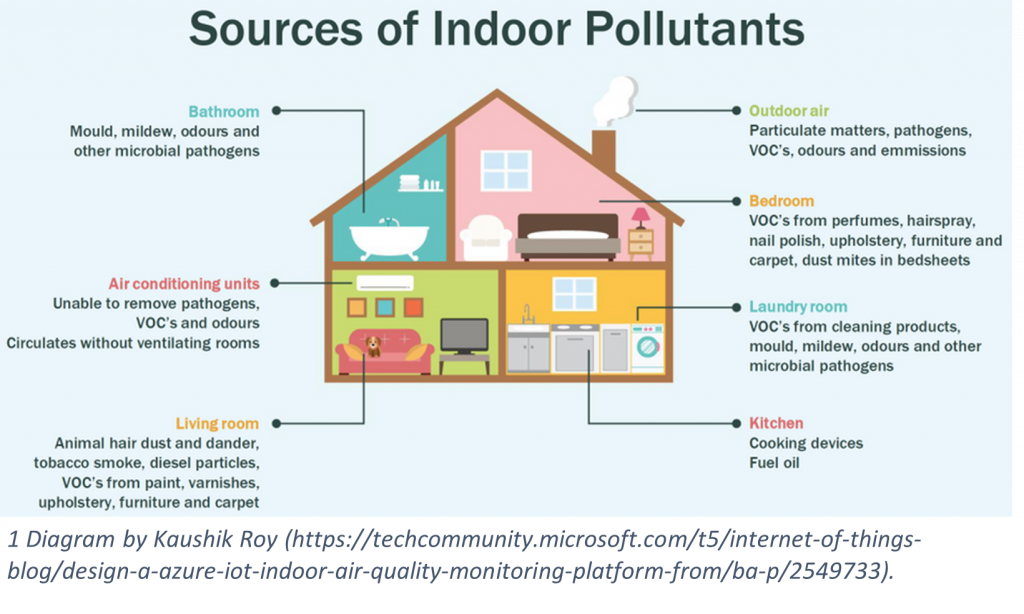
Taking a deeper dive into what IAQ actually is, IAQ can be anything from biological pollutants such as mold and mildew, bacteria, dust or pollen, to carbon monoxide or volatile organic compounds (VOC’s)5. Each pollutant effects humans, animals and the environment differently and the effects on humans can also vary depending on personal sensitivities. Exposure to just biological pollutant could lead to “skin irritation, sneezing, watery eyes, coughing, shortness of breath, dizziness, lethargy, fever, and digestive problems”1. Other pollutants, such as VOC’s, can cause more severe symptoms such as “eye, nose and throat irritation, headaches, loss of coordination and nausea, damage to liver, kidney and central nervous system,” with some VOC’s known or suspected to even cause cancer in humans or animals6. For information about all the individual indoor pollutants and their sources, visit https://www.epa.gov/indoor-air-quality-iaq/indoor-pollutants-and-sources.
Many of these pollutants are unavoidable as they can occur naturally, but we can take steps to reduce them to levels that will be less harmful or eliminate them almost entirely. If you hire TC Legend Homes, then before you even step into your house, we have already been working on increasing your home’s IAQ by using low toxicity products such as SIPs, low/zero VOC paints and finishes, low toxicity flooring and more. The SIPs we use eliminate the ozone depleting chemicals HCFCs and CFCs, as well as reduce moisture in between the walls that lead to mold growth.2 This, accompanied by the superior heating and ventilation installed, will set your home up for much healthier air. The next blog post in this series will discuss the details of ventilation and its impact.
Once moved into your new home, it is still important to take daily steps to maintain a healthier IAQ. Be sure to vacuum and dust regularly, clean fabric items frequently, reduce household clutter3, avoid harsh cleaning products, maintain a lower humidity level, repair leaks, run your exhaust fan during and after showering, maintain your ventilation system and change the filters frequently4.
Many eco-conscious building methods and results are interconnected, including IAQ, house longevity and environmental footprint. The nature of obtaining and maintaining good IAQ, means ensuring your home is being fixed of any issues which will result in the deterioration of your home and therefore cause indoor pollutants such as mold and mildew. Immediately fixing smaller issues that come up, like leaks or a filter in need of changing, will decrease the likelihood of the issues becoming so large that it is irreversible or will require more replacements to the system or surrounding area in the future. To this same note, upkeeping your home regularly and fixing issues as soon as they turn up, means using less resources in the long run, as replacement will be less frequent. As we know, using less resources helps to lower your overall carbon footprint. Moreover, maintaining good IAQ requires use of less toxic materials including those containing toxins and pollutants that are harmful to the environment such as greenhouse gases like VOCs or potent chemicals like pesticides. This in turn reduces the negative impact on the environment.
Taking all these steps to obtain and maintain your IAQ, will not only help you and your family’s health, but help reduce pollution outdoors and increase the longevity of your home.
Want to learn more about how smoke affects indoor air quality? Check out EPA Indoor Air Quality information and their recommendations for wildfire season HERE
Written by: Nicole Miller
Sources:
1“Biological Pollutants’ Impact on Indoor Air Quality.” United States Environmental Protection Agency (EPA), EPA.gov, https://www.epa.gov/indoor-air-quality-iaq/biological-pollutants-impact-indoor-air-quality. 2/10/2022.
2“Building With Sips Creates Healthier, More Comfortable Interiors.” Insulspan, https://www.insulspan.com/advantages/health-comfort/. 3/2/2022.
3“Easy ways you can improve indoor air quality.” Harvard Health Publishing, Harvard Medical School, https://www.health.harvard.edu/staying-healthy/easy-ways-you-can-improve-indoor-air-quality. 2/10/2022.
6“Volatile Organic Compounds’ Impact on Indoor Air Quality.” United States Environmental Protection Agency (EPA), EPA.gov, https://www.epa.gov/indoor-air-quality-iaq/volatile-organic-compounds-impact-indoor-air-quality. 2/10/2022.

Recent Comments